Discover Cape Town: accommodation, attractions and practical tips for travellers
Cape Town is a city of remarkable contrasts, where dramatic coastlines meet rugged mountains and urban life blends with vibrant culture. Planning a stay that suits your pace and priorities is key to making the most of your visit. For many travellers, a mix of neighbourhoods offers the best balance: a central base with easy access to highlights, plus scenic pockets along the Atlantic seaboard or in the leafy suburbs.
When choosing where to stay, consider the character of each area. The city centre and the Foreshore provide convenient access to museums, theatres and a lively dining scene, with quick routes to the tourist routes along the Atlantic Seaboard. The colourful, historic Bo-Kaap neighbourhood offers cultural immersion and excellent photo opportunities, while the Waterfront area provides maritime ambience and a bustle of shops and eateries within a short stroll of a harbour setting. For a more tranquil retreat with panoramic views, the Atlantic Seaboard suburbs, Green Point, Bantry Bay and Clifton offer elegant guest houses and boutique hotels, often with sea views and close proximity to beaches. Constantia and the southern suburbs present a more laid‑back, wine‑country vibe, ideal for day trips to Kirstenbosch Gardens or nearby wine estates.
What to look for when booking
- Proximity to the places you plan to visit, balanced with a quieter stay at night.
- Room configurations and en-suite facilities, including reliable Wi‑Fi and good heating or air conditioning according to the season.
- A wel l‑reviewed, clearly stated cancellation policy and transparent terms.
- Access to public transport or convenient parking if you are exploring by car.
- On‑site comforts such as a light breakfast option, communal spaces, secure storage, and friendly staff who can advise on local routes and activities.
Typical amenities to expect
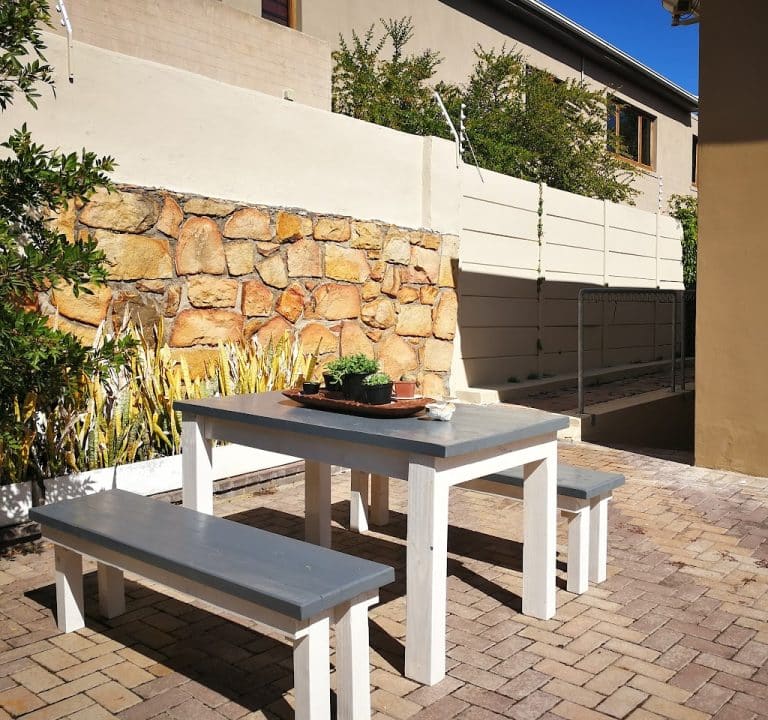
Most BnBs, guest houses and mid‑range hotels in Cape Town offer a thoughtful blend of comfort and character. Common features include comfortable guest rooms with private or shared bathrooms, clean linen and daily housekeeping, and a communal lounge or courtyard. A decent breakfast is a recurring highlight, with options ranging from continental spreads to more substantial fare in some properties. You may find facilities such as a small pool, rooftop terrace, secure parking, and guest‑driven recommendations for local eateries and experiences. Many establishments can arrange airport transfers or guided outings, and several boutique properties place emphasis on sustainability, with water‑saving measures and locally sourced products.
Transport and getting around
Cape Town’s geography makes some planning worthwhile. A car offers the greatest flexibility for exploring beyond the city centre, including wine routes and coastal towns. However, many visitors enjoy public transport and rideshare services for shorter hops, particularly in busy hubs. The MyCiTi bus network covers central areas and the Atlantic Seaboard, while a scenic ride up to the Constantia Valley or along the Atlantic coast by road allows for spectacular views. If you’re staying near the Waterfront or Green Point, walking and short rides are perfectly feasible for a relaxed itinerary.
Best time to visit and weather considerations
Cape Town experiences a Mediterranean climate with cool, wet winters and warm, dry summers. The peak tourist season runs from late spring to early autumn, when days are longer and beaches are inviting. Shoulder periods can offer calmer crowds and good value. If you plan outdoor activities such as hiking in Table Mountain National Park, check the weather forecast and seasonal access information, as cloud cover can obscure views and occasional mist may affect visibility.
Activities and experiences to plan
- Iconic natural sights: a cable‑car ascent or a gentle hike up Table Mountain for panoramic city and harbour vistas; a visit to the Cape Peninsula with its rugged coastline and scenic viewpoints.
- Cultural and historic interests: museums that trace Cape Town’s complex past, and neighbourhood tours that reveal the city’s multi‑ethnic heritage.
- Beach and coastal pleasures: safe bathing beaches along the Atlantic Seaboard, plus strolling the harbour area with its maritime atmosphere.
- Food and drink: Cape Town’s dining scene ranges from casual eateries to refined venues showcasing local produce and seafood; wine‑tuelled days in Constantia or nearby valleys are popular day trips.
- Family and group activities: easy coastal walks, parks, and engaging markets where crafts and snacks reflect the region’s diversity.
Accommodation in context: a sample option
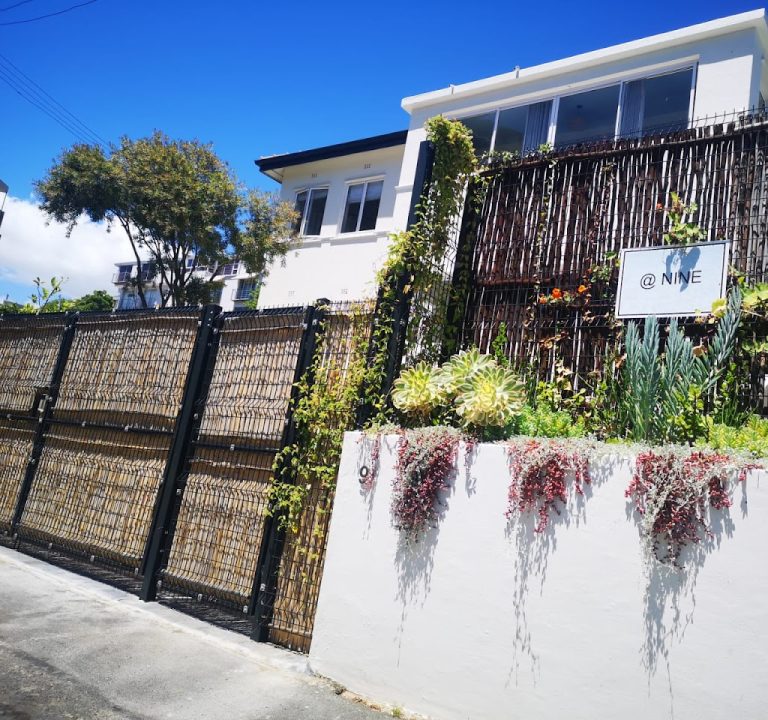
One example of a guest house experience in Cape Town is Oxford House, a guest house positioned to offer a comfortable home base with easy access to central sights. For prospective guests, the property’s website provides details on rooms, breakfast options, and local insights. You can explore further information at http://www.oxfordhouse.co.za/.
Planning checklist for a smooth stay
- Decide on two to three areas to base yourself to minimise long daily commutes.
- Verify what is included in the rate (breakfast, parking, Wi‑Fi) and any extra fees.
- Check accessibility for stairs or lifts if needed, and confirm whether rooms are en suite.
- Have a rough plan of must‑see attractions, with a few flexible days for spontaneous discoveries.
- Pack layers for varying coastal weather and sun protection for outdoor activities.
Cape Town rewards careful planning with a blend of dramatic scenery, rich history and modern comforts. By selecting a well‑located base, confirming essential amenities, and mapping a realistic itinerary, you can enjoy a rewarding stay that balances exploration with downtime. For further inspiration, many trusted accommodation providers and local tourism sites offer practical guides and sample itineraries to help tailor a trip that feels authentically Cape Town.