Staying in Soweto: accommodation, planning and local experiences
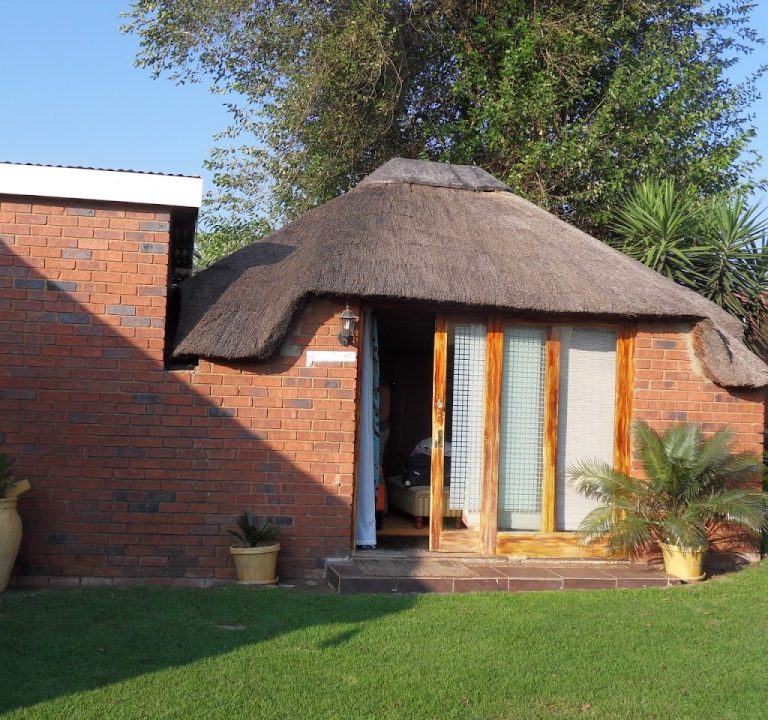
Soweto, a vibrant mosaic of neighbourhoods and memories, offers a range of stays that blend comfort with culture. From family-run guesthouses and modest motels to boutique lodges and apartment-style stays, visitors can find options that suit budget and style while staying close to the area’s most iconic experiences. When planning a stay, think about location, the type of atmosphere you enjoy, and how you’ll move around the township to make the most of your time.
Areas to consider include central Soweto, where many guesthouses cluster near historical sights and markets, and the quieter corners that provide a more residential feel with easy access to main routes. If you prioritise proximity to major sights, you’ll probably want to be near Vilakazi Street, home to the houses of Nelson Mandela and Archbishop Desmond Tutu, or near colourful markets and eateries that capture the rhythm of daily life. For a more relaxed pace, look for properties closer to neighbourhood hubs with safe, well-lit streets, good guest facilities, and straightforward transit options.
When choosing accommodation, consider what you value most. A traditional guesthouse or family-run B&B can offer welcoming hosts, homemade meals, and insider tips on areas to explore. Motels and lodges may provide practical comforts such as secure parking, on-site reception, and quick access to major roads, making day trips to nearby attractions convenient. For longer stays or travelling with family, serviced apartments or small boutique hotels can deliver more space and flexible dining arrangements. Check the listing for amenities like free Wi‑Fi, breakfast options, 24-hour reception, and in-room features such as air conditioning, heating, and secure storage for luggage.
Transport within Soweto and to the wider Johannesburg area is straightforward but worth planning. Most visitors rely on a combination of self-driving, ride-hailing apps, or organised tours. If you’re staying near a main thoroughfare, you’ll typically find taxis and rideshares readily available. Some properties offer airport transfers or local shuttle services; if this is important to you, confirm in advance. For day trips to other parts of Johannesburg, consider a route that minimises long transfers and provides time for stops at markets and viewpoints rather than rushing from one site to another.
Best time to visit Soweto generally aligns with broader South African seasons. Spring and autumn bring mild weather and pleasant walking conditions for street markets, township tours, and outdoor eateries. Summer can be lively, with warm days and occasional showers; it’s a good period to experience open-air markets and cultural performances, but you may need lighter luggage and waterproof gear. Winter is cooler but often drier, making early-morning or late-afternoon excursions comfortable. If you’re interested in local events or markets, check calendars and ask your host or the accommodation’s concierge for recommendations aligned with your interests.
Typical amenities in Soweto accommodation range from the essential to the homely. Expect comfortable beds, clean en-suite bathrooms, and secure access. Many guesthouses offer breakfast included in the rate, sometimes with traditional or home-style dishes that give a flavour of the neighbourhood. Some properties provide communal kitchens or dining areas, useful for travellers who prefer self-catering options or late dinners after a day of sightseeing. Helpful extras can include free parking on-site, bar or lounge spaces, and information packs with maps, transport tips, and suggested local itineraries. If you’re staying for a while, look for laundry facilities or a washing service, and consider properties that can accommodate late check-ins if you’re arriving after hours.
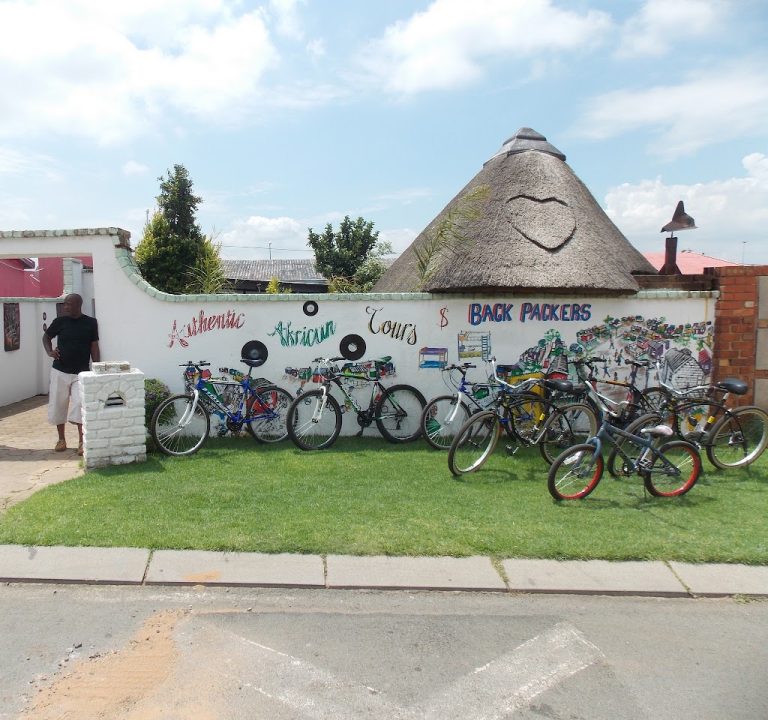
Attractions and experiences in Soweto generally fall into two categories: historical and cultural explorations, and day-to-day life that makes all visitors feel part of the community. Common draws include guided township tours that offer insights into the city’s past, architecture, and everyday living, as well as museums and memorial sites that tell important stories. For many visitors, a stroll through bustling markets, stops for street-food snacks, and visits to historic streets and landmarks provide memorable moments. Dining in Soweto ranges from informal eateries serving traditional South African favourites to more contemporary restaurants offering fusion dishes; exploring a few local spots is a good way to understand the culinary heartbeat of the area. If you’re planning trips outside Soweto, consider a day trip to nearby city sights, parks, and cultural centres that are connected by major routes and public transport options.
Practical tips to help you make the most of your stay:
- Book well in advance during peak travel periods and holidays when rooms and guesthouses fill up quickly.
- Read recent guest reviews to gauge cleanliness, safety, and the responsiveness of hosts or management.
- Ask about local transport options, including the availability of guided tours or recommended drivers, to simplify days in the township.
- Pack comfortable walking shoes and light layers, as weather can be changeable and many experiences are outdoors.
- Respect local customs and neighbourhood norms, and engage with hosts for insider tips on safe routes and authentic dining experiences.
For a broader sense of South African hospitality and travel planning, you can explore official tourism resources that cover Soweto as part of Gauteng and the wider destination. These sources provide ideas on routes, safety considerations, and style of experiences that visitors typically gain when exploring the area. With thoughtful planning, Soweto offers a welcoming base from which to discover a rich heritage, friendly neighbourhoods, and memorable moments that connect travellers with South Africa’s vibrant culture.