Accommodation in Soweto: planning a comfortable, authentic stay and a taste of Johannesburg’s heritage
Soweto, a vast and vibrant township on the southern edge of Johannesburg, offers a range of accommodation options that suit different budgets and travel styles. From budget-friendly hostels and guesthouses to mid-range lodges and boutique stays, visitors can feel at home while accessing the area’s rich history and lively neighbourhoods. When planning a stay, think about how you want to move around, what you want to explore, and the kind of hospitality you prefer—the right choice will help you make the most of your time in this fascinating part of Gauteng.
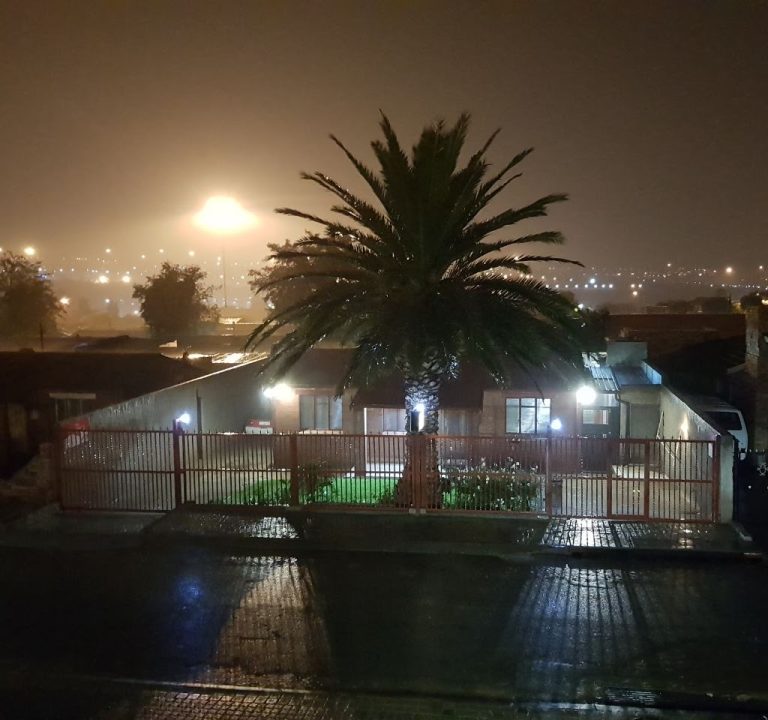
Where to stay can influence your experience. The townships’ transport links are practical and straightforward, with many guesthouses and hostels located within easy reach of main routes and neighbourhood centres. If you want to soak up daily life, consider staying near a central township hub where market stalls, local eateries and guided tours are within walking distance. For a quieter retreat, look for lodges or guesthouses on the outskirts that offer a more relaxed pace without sacrificing access to major sights.
Typical amenities to look for include secure off-street parking, 24-hour reception or on-site staff, clean and comfortable rooms with en-suite options, and reliable, hot running water. Free Wi-Fi is a common feature, as is access to a communal kitchen or lounge where travellers can gather, share tips, and map routes for the next day’s adventures. House rules, respectful quiet hours, and clear safety guidance are helpful indicators of well-managed places. If breakfast is offered, check whether it is a simple continental spread or a more substantial, cooked option—some hosts also provide seasonal fruit, coffee, and tea stations for self-service mornings.
Transport is a practical planning element. A stay with easy access to taxis, rideshares, or local minibus routes makes it simpler to explore Soweto’s broad appeal. For travellers who enjoy independent exploration, many accommodation options provide helpful directions to public transit, safe walking routes, and reliable maps. If you plan to visit multiple areas, consider the duration of travel times between sites and the potential for early starts, as some attractions open mid-morning and close by late afternoon. For day trips or evening outings, verifying the local security situation and arranging a trusted transfer can add peace of mind.
Best time to visit Soweto depends on your weather preferences and event calendars. The South African summer months (roughly November to February) are warm and often lively, with outdoor markets and street food experiences in full swing, though occasional summer showers can occur. Winter (May to August) tends to be cooler and drier, which can be pleasant for long walking days and photography. Shoulder seasons offer comfortable temperatures and fewer crowds. Pack comfortable walking shoes, a light rain jacket, sunscreen, and a hat to suit varying weather across the day.
Planning a stay also means thinking about activities beyond the bed. Soweto is celebrated for its history, culture and community energy. Many travellers opt for guided township tours to gain respectful insights into daily life, heritage sites, and the social context that shapes the area. There are also opportunities to explore local markets, art studios, and community-approved projects that support small businesses and cultural exchange. When selecting activities, prioritise experiences that are delivered with consent and benefit the community being visited.
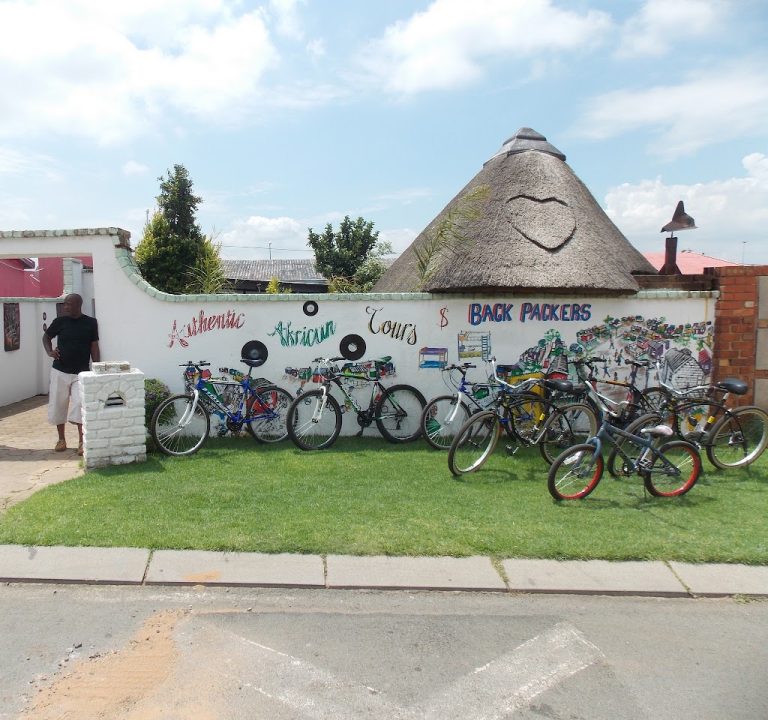
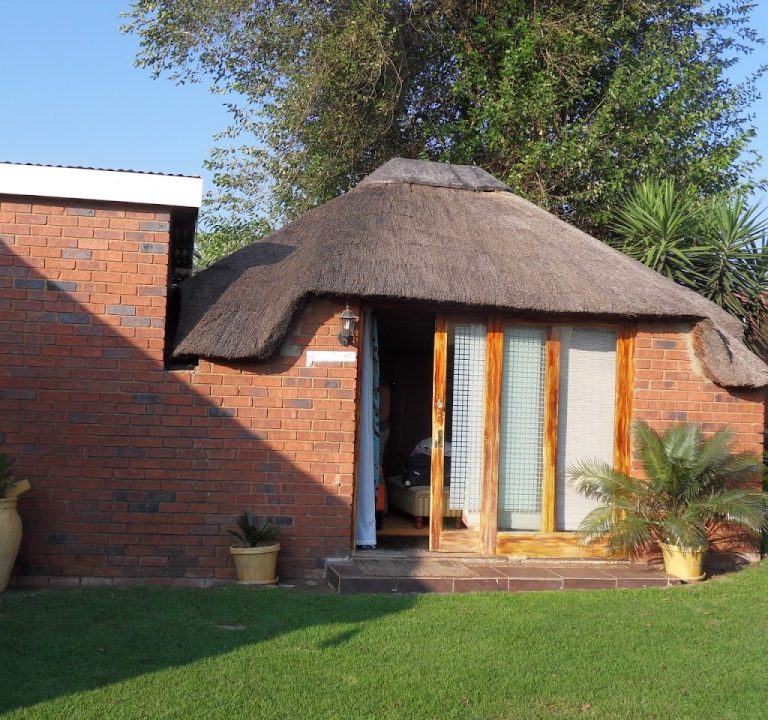
Accommodation and experiences in Soweto can be combined with rest and social time. A hostel or guesthouse often provides a sociable atmosphere where guests swap travel tips, share meals, and plan the next day’s route together. If you prefer more privacy, a garden-facing guest room or a small lodge can offer a tranquil retreat after a day of discovery. For travellers seeking a structured programme, some properties may organise optional walking tours, bicycle outings, or curated food experiences that highlight local fare and street-food traditions in a respectful, inclusive way.
Practical tips to help you book with confidence:
- Read guest reviews carefully to get a sense of day-to-day practicality, safety, and warmth of hospitality.
- Check the location relative to the sights you want to visit and the transport options available for evenings.
- Ask about in-house facilities such as a shared kitchen, laundry services, and on-site staff availability for arranging transfers or tours.
- Clarify what is included in breakfast and whether meals can be accommodated if you have dietary restrictions.
- Confirm payment terms, cancellation policies, and any deposits required before arrival.
In Soweto, your stay can be as relaxed or as adventurous as you choose. A well-chosen hostel or guesthouse can serve as a welcoming base from which to meet fellow travellers, while a thoughtfully located lodge can offer more privacy and quiet for evenings after exploring the vibrant streets. When you pair comfortable accommodation with considerate planning for transport, timing, and respectful engagement with local communities, you’ll be able to enjoy Soweto’s warmth, resilience and enduring sense of place. For further information or to view current options, you may wish to visit dedicated travel pages and the venues’ official sites, which often provide practical guidance on accessibility, nearby facilities, and current safety notes.