Accommodation and experiences in Cape Town: planning a memorable stay
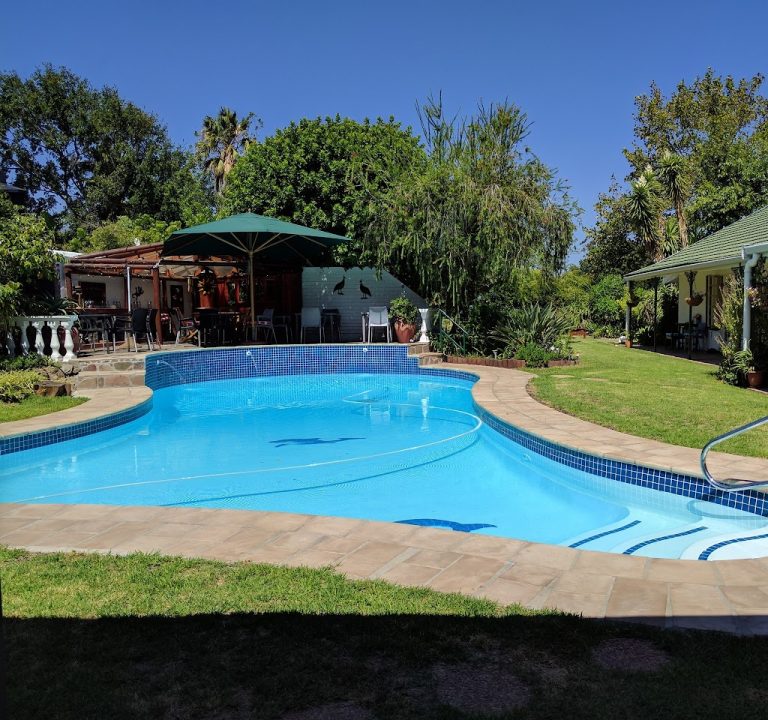
Cape Town, perched between the Atlantic Ocean and the iconic Table Mountain, offers a wide range of accommodation options to suit every style and budget. From intimate bed & breakfast properties to stylish boutique hotels and self‑catering guesthouses, travellers can find a base that feels close to both nature and city life. One example is Somer House Guest Suites, a bed & breakfast that exemplifies the friendly, locally owned atmosphere many visitors seek when exploring the Western Cape. When planning a stay, think about what parts of the city you want to be near, the kind of cooking and hospitality you prefer, and how you plan to move around each day.
Areas to consider for a stay are diverse and each offers a distinct flavour of Cape Town. The central business district and the V&A Waterfront are convenient for first‑timers who want to be close to major sights, eateries, and transit links. Green Point and the foreshore provide a lively mix of rainbow pavements, eateries, and easy access to the Atlantic coast. Camps Bay and the Atlantic Seaboard offer sandy beaches and sunset views, ideal for romantic breaks or family holidays, while Constantia valley is a short drive from wine estates and hillside scenery for a more relaxed pace. For a truly local experience, neighbourhoods such as Bo-Kaap add colour and culture, with easy access to the city’s history and markets.
What to look for when booking your stay can make a big difference to your itinerary and your comfort. Consider the following key points:
- Proximity to your planned activities or transport links, such as MyCiTi buses or main roads for driving out to the Cape Peninsula.
- Wake‑up options and breakfast arrangements—many B&Bs offer a generous start to the day with regional flavours, while self‑catering properties provide flexibility for early departures or late returns.
- On‑site amenities that suit your plans, such as secure parking, swimming pools, air conditioning, reliable Wi‑Fi, and kitchen facilities.
- Guest reviews and host interactions, which can greatly influence your overall experience, especially in smaller properties where personalised service is part of the stay.
- Cancellation policies and flexibility, particularly if you are visiting during peak seasons or planning day trips to places with limited access.
Typical amenities you may encounter include en‑suite bathrooms, comfortable living spaces, and thoughtful touches like local guidebooks, information on walking routes, and kitchen equipment for self‑catering guests. Some B&Bs also offer cooked breakfasts, while boutique hotels might serve a continental or à la carte option. For families or longer visits, self‑catering apartments or guesthouses with kitchenettes can provide a home‑from‑home feel without compromising access to the city’s highlights. If you prefer a social atmosphere, a small guesthouse with a communal lounge can be a friendly base for meeting fellow travellers and exchanging tips about the city.
Transport arrangements are an important planning consideration. Cape Town is well served by the MyCiTi bus network, which can simplify getting around the city and to the Cape Peninsula. Ride‑hailing services and car hire are widely available, offering flexibility for exploring more distant sights such as the Cape Point reserve or the scenic coastal towns lying beyond the immediate metropolitan area. If you plan to visit popular natural landmarks, a day trip arrangement or guided excursion can reduce logistics concerns and provide context about the landscape and history you encounter along the way.
Best time to visit Cape Town varies with interests. The summer season (November to February) brings longer days, beach life, and outdoor events, while the shoulder seasons of spring and autumn offer milder weather and fewer crowds. Winter, from June to August, can be cooler and mistier on the mountains, yet it may present opportunities to explore indoor markets, wine estates, and nearby towns with fewer visitors. Whichever time you choose, booking in advance for peak periods is wise, particularly for popular neighbourhoods or oceanfront locations.
Practical tips to make the most of your stay:
- Plan a balanced itinerary that combines city sights, coastal walks, and a day exploring the wine lands or Cape Point with a scenic drive along Chapman's Peak or Atlantic coastline.
- Pack layers for rapidly changing weather, and bring sunglasses and sun protection for the coastal sun.
- Reserve popular restaurants or sunset spots ahead of time, especially during peak seasons, to ensure you can dine where you’d like without long waits.
- Respect local safety guidelines and be mindful of personal belongings in busy areas; enjoy the city with the same care you would in any major tourist destination.
- Take advantage of local experiences that offer insight into Cape Town’s culture, cuisine, and natural beauty—these can be as memorable as the sights themselves.
Across the city, accommodation choices range from charming B&Bs such as Somer House Guest Suites to modern boutique hotels and comfortable self‑catering options. When planning your stay, consider proximity to transport, the level of hospitality you desire, and the kind of environment that will help you unwind after a day of exploration. With careful planning, your Cape Town stay can blend scenic landscapes, rich culture, and convenient access to the region’s finest attractions and dining experiences.