Cape Town: Where to Stay, What to Do, and How to Plan a Memorable Visit
Cape Town offers a dynamic mix of accommodation styles, from intimate guesthouses and stylish lodges to comfortable indoor lodging options like Lorden Lodge, set against the city’s dramatic backdrop. When planning a stay, consider both neighbourhood character and access to the sights you most want to experience. The city’s beauty unfolds from the ocean to the mountains, so a thoughtfully chosen base can save time and balance sightseeing with downtime on terraces, beaches, or cosy indoor lounges.
Areas to consider for your stay
South Africa’s Mother City is blessed with distinct neighbourhoods, each with its own flavour. The City Bowl is ideal for first-time visitors who want easy access to museums, markets, and historic streets. The V&A Waterfront combines shopping, dining and harbour views with a modern, pedestrian-friendly atmosphere. Green Point and the Atlantic Seaboard (including Camps Bay and Bakoven) offer metres of oceanfront wandering, sunset walks and chic dining, often with a more upbeat, resort-like feel. For a quieter retreat, Constantia Valley and nearby suburbs provide green hills, wine estates, and leafy streets. If you prefer a lively arts scene and a creative vibe, areas such as Woodstock and the inner-city precincts can be exciting bases with easy public transport connections to the city centre and beaches.
What to look for when booking
When selecting accommodation, think about light, access to transport, and how much you value proximity to your planned activities. If you plan to hike Table Mountain or visit nearby beaches, a base near a MyCiTi bus stop or taxi-access points can save time. For indoor-lodging options like Lorden Lodge, check features such as secure access, comfortable communal spaces, and proximity to reliable public transit. For families or groups, look for flexible room configurations, convenience stores nearby, and safe walkability in the evenings. If you’re chasing sea breezes and airiness, a bright room with a balcony or courtyard can make a big difference to your stay’s comfort level.
Typical amenities you may encounter
- Wi‑Fi throughout the property
- On-site parking or easy street parking nearby
- Self-catering facilities or a shared kitchen
- Outdoor spaces for sun, shade, and relaxation
- Friendly, knowledgeable staff able to recommend local experiences
- Secure access and in-room security features
- Gentle continental or hearty breakfast options, and access to coffee/tea facilities
- Flexible check-in and check-out where possible
Transport and getting around
Cape Town’s geography means planning transport is helpful. The city centre is walkable to a point, but for longer trips a combination of walking, Uber or local taxis, and the efficient MyCiTi bus network can cover most needs. If you’re staying near the Atlantic Seaboard, a rental car provides the most freedom to explore Table Mountain’s viewpoints, coastal towns, and wine routes at your own pace. Many guesthouses and lodges offer parking or partner with local operators for airport transfers. When booking, ask about neighbourhood safety, the availability of late-night transport, and whether the property can organise curated experiences or reputable guiding services.
Best time to visit
Cape Town enjoys a Mediterranean climate with mild, wet winters and warm, dry summers. The peak tourist season runs from late spring to early autumn (roughly November to March), when harbour breezes, beaches, and outdoor attractions are most appealing. Shoulder seasons can be excellent for quieter experiences, fewer crowds, and reasonable rates. If you’re keen on outdoor adventures such as hiking, dragon-boat races, or markets, packing layers is wise, as coastal winds can shift quickly and temperatures can vary with the elevation of Table Mountain.
Planning practical adventures and experiences
A visit to Cape Town is not just about striking scenery; it’s about soaking up the variety of experiences on offer. In the city, you’ll find museums and galleries that delve into the region’s complex history, modern cafés and restaurants that celebrate local produce, and markets where artisans sell crafts and homemade treats. Outdoor lovers can plan scenic drives along the coast, penal-free walks on the mountain, and seaside strolls along wind-swept beaches. Family-friendly attractions and quieter corners for couples or solo travellers exist side by side, making it easy to tailor your agenda to your pace and interests.
Where to eat and what to expect
Restaurant scenes in Cape Town range from casual cafés to refined dining rooms that showcase South Africa’s diverse produce. In general, you can expect menus that highlight fresh seafood, seasonal vegetables, and dishes inspired by global flavours, often with a distinctive local twist. Many establishments offer al fresco options with harbour or mountain views. When budgeting, consider that daytime meals may be more affordable than peak-evening dining, and look out for neighbourhood bistros where locals gather for a relaxed, atmospheric meal at good value.
Practical tips for a smooth stay
- Confirm what is included in the rate (breakfast, parking, housekeeping) and what you’ll need to budget separately.
- Check accessibility features if needed, especially for longer stays or guests with mobility considerations.
- Bring a light rain jacket for unexpected showers, even in sunnier months.
- Purchase a local SIM card or ensure roaming plans cover data for maps and ride-hailing apps.
- Have a flexible plan for day trips; Cape Town’s outdoors are best enjoyed when the weather cooperates.
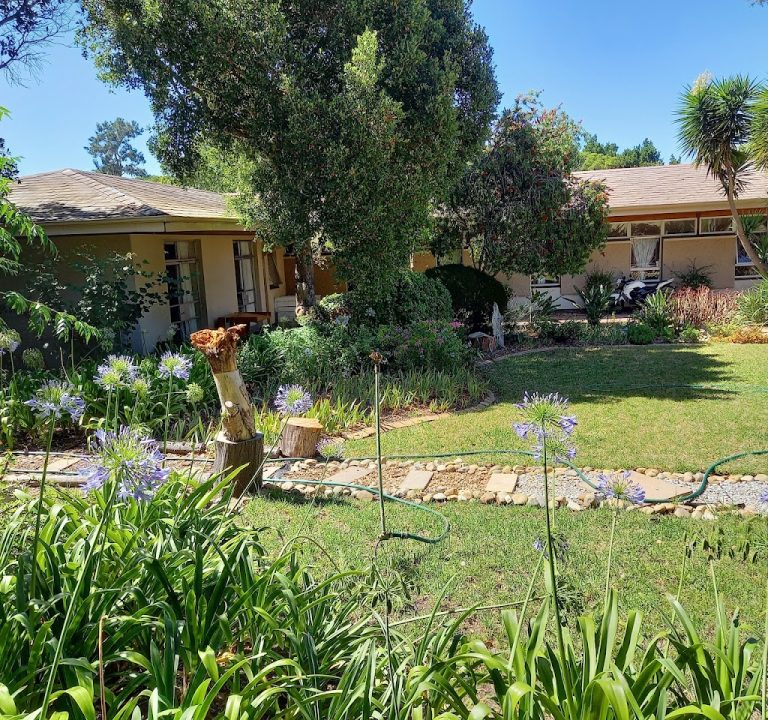
For those curious about staying in an indoor-lodging environment with a warm, welcoming atmosphere, Lorden Lodge represents one approach to experiencing Cape Town’s hospitality. With careful planning, your stay can combine comfortable lodging with easy access to the city’s iconic landscapes, cultural highlights, and a spectrum of dining experiences that make a visit to this remarkable region unforgettable. For more information and ideas on planning your itinerary, you can explore local tourism resources and official travel guides available online.