Cape Town Accommodation and Experiences: Planning a Memorable Stay
Few places in the world combine natural beauty, culinary excellence and a sense of history as seamlessly as Cape Town. Whether you are seeking a chic city break, a relaxed vineyard escape or a coastal retreat with dramatic scenery, the region offers a wide range of accommodation to suit different styles and budgets. From boutique guesthouses in leafy neighbourhoods to modern apartments with harbour views, you can design a stay that feels both personalised and effortless.
When planning where to base your trip, consider the areas that best reflect your interests and pace. The city centre and the V&A Waterfront are ideal for first‑time visitors who want convenient access to museums, markets and nightlife, with a choice of hotels and serviced apartments at various price points. The Atlantic Seaboard, including Camps Bay and Clifton, offers a glamorous coastal mood with sunset walks along the promenade and a string of trendy eateries. Green‑belt enclaves such as Gardens and Oranjezicht provide leafy tranquillity while keeping you close to the city’s cultural heart. For oenophiles, Constantia and the nearby Constantia Valley present winery settings with guesthouses and small hotels nestled among vine lands. Farther afield, destinations like the Cape Winelands and coastal towns within an hour’s drive offer secluded estates and landscaped gardens, often with spa facilities and wine‑driven experiences.
What to look for when booking remains fairly consistent across the city. Start with location relative to your planned activities: a short hop to Table Mountain by day, and easy access to dining and nightlife by night can save time and stress. Check transport options: many areas are walkable, but you may want a car for longer day trips to the winelands or the Cape Peninsula. If you prefer public transport, look for properties with good access to MyCiTi buses or rail links to nearby suburbs. Consider the typical room layout and amenities—air conditioning for warmer months, reliable heating for winter evenings, a well‑equipped kitchen or kitchenette if you are staying longer or value self‑catering options, and secure parking if you are driving.
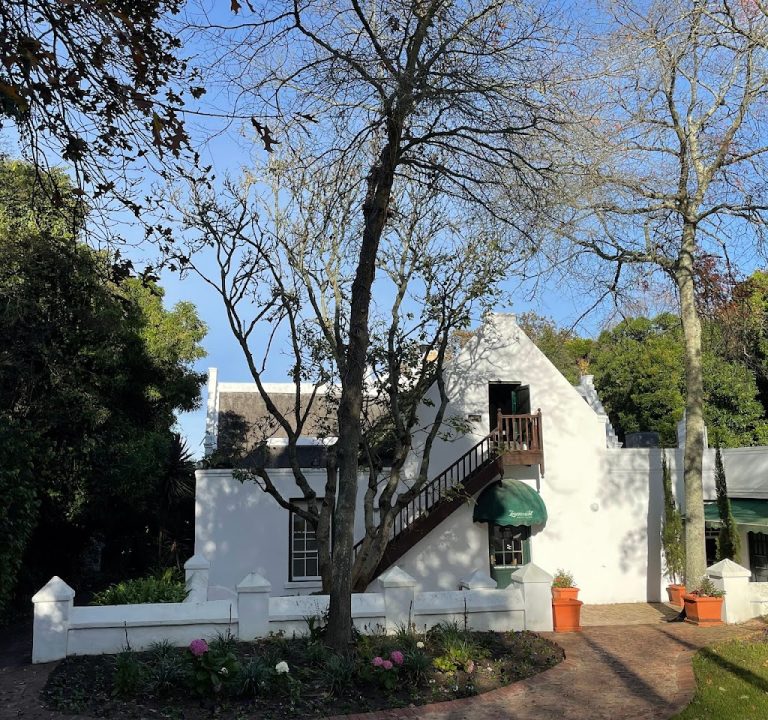
Typical accommodation types in Cape Town include stylish boutique guesthouses with intimate, personalised service; self‑catering apartments and city‑suites; harbour‑facing hotels with lifestyle facilities; and country‑house estates on wine routes. In sought‑after neighbourhoods, properties often balance modern comfort with character features such as wooden floors, period details or artful décor. For families or longer stays, apartment‑style options with multiple bedrooms and kitchen facilities can offer both value and convenience, while smaller guesthouses emphasise a more intimate, homely atmosphere. In the winelands, expect estate‑style lodges and guest accommodations set amid vineyards, sometimes with spa‑like amenities and easy access to tasting rooms.
Practical planning tips to help you maximise your time in Cape Town:
- Time your visit to balance outdoor possibilities with indoor activities. Summer (December to February) is warm and busy, with long daylight hours and festive energy; autumn (March to May) offers milder weather and quieter streets; winter (June to August) can be cooler and windier, but the city’s indoor attractions and dining scene thrive; spring (September to November) brings blossoming gardens and pleasant conditions for hiking and sightseeing.
- Booking early for peak seasons and holidays is advisable, especially for sought‑after districts near the waterfront or the southern beaches. Look for flexible rate options and clear cancellation policies.
- Consider travel between the city and the Constantia or winelands areas for day trips. A car provides maximum freedom, but well‑located guesthouses may offer shuttle services or convenient transport links to popular routes.
- Look for partnerships that enhance your stay, such as wine tastings, breakfast inclusions, or curated experiences nearby. Properties with on‑site or nearby dining options can simplify evenings after a day spent exploring the peninsula.
- Pack for changeable weather. Even in summer, coastal winds can be brisk, and Table Mountain’s weather can shift rapidly, so layers and a light rain jacket are wise additions.
Aside from accommodation, Cape Town excels in experiences. The city offers spectacular viewpoints, hiking and coastal drives, complemented by cultural institutions and vibrant markets. Restaurants range from casual bistros to elegant brasseries, with a focus on fresh seafood, grill fare and South African flavours that honour both heritage and contemporary cooking. For wine lovers, nearby estates present strollable routes through historic cellars, with opportunities to learn about terroir and method without committing to grand tours. A day trip to the Cape Peninsula reveals rugged coastlines, penguin colonies and penguin viewing in season, while the nearby winelands invite relaxed tastings and scenic picnic settings.
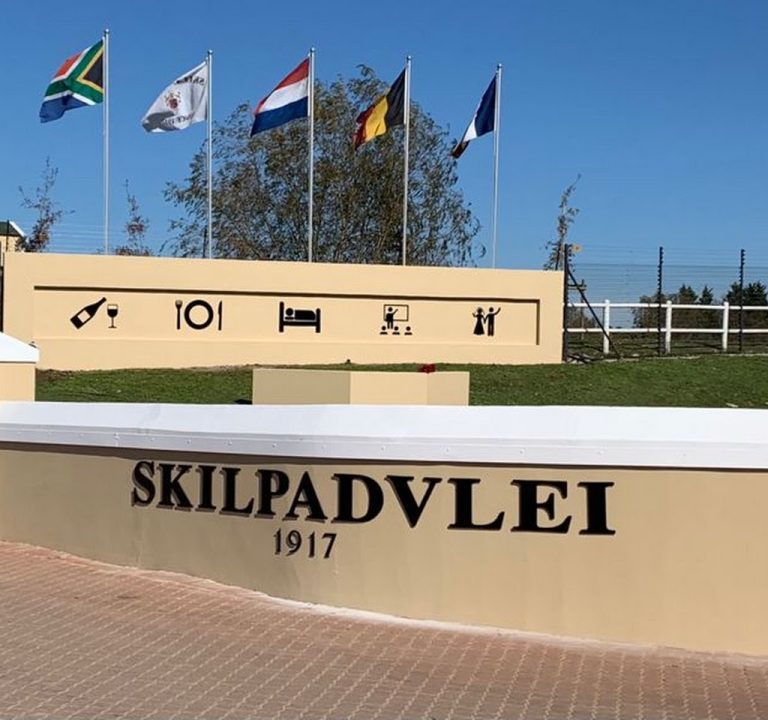
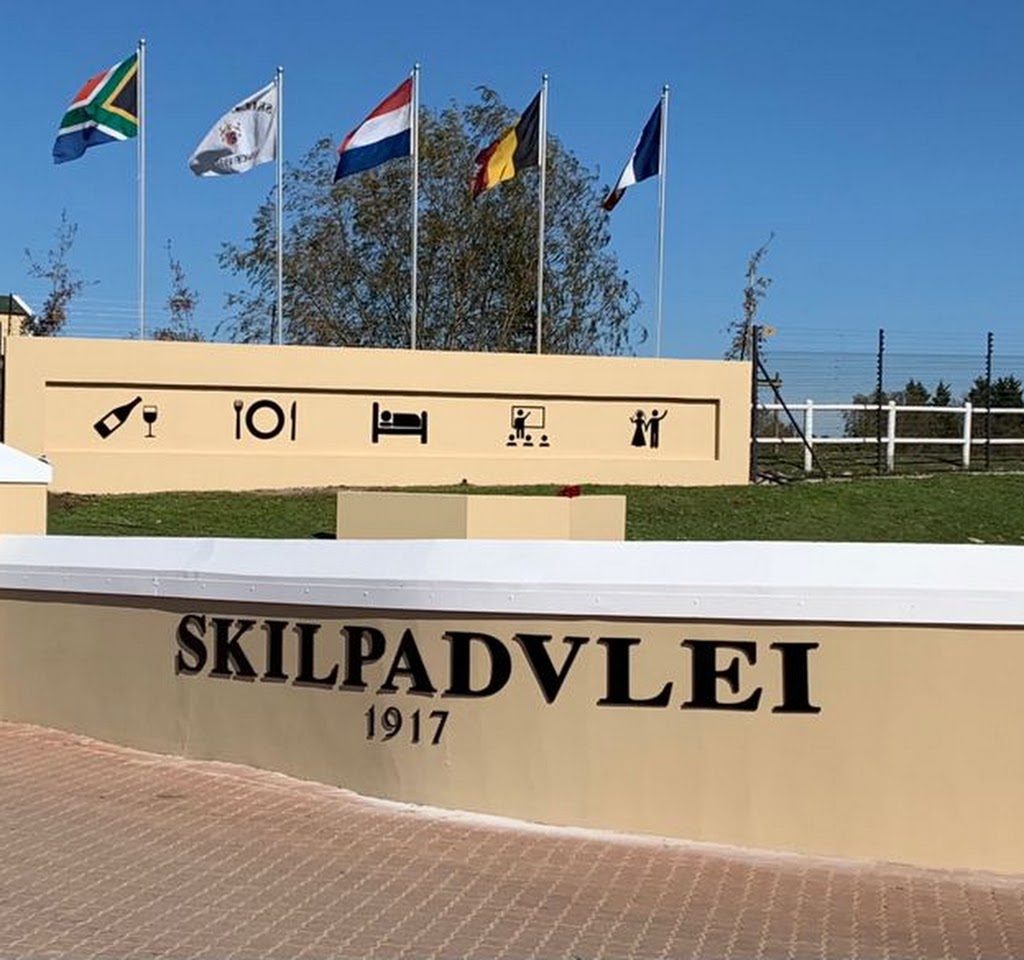
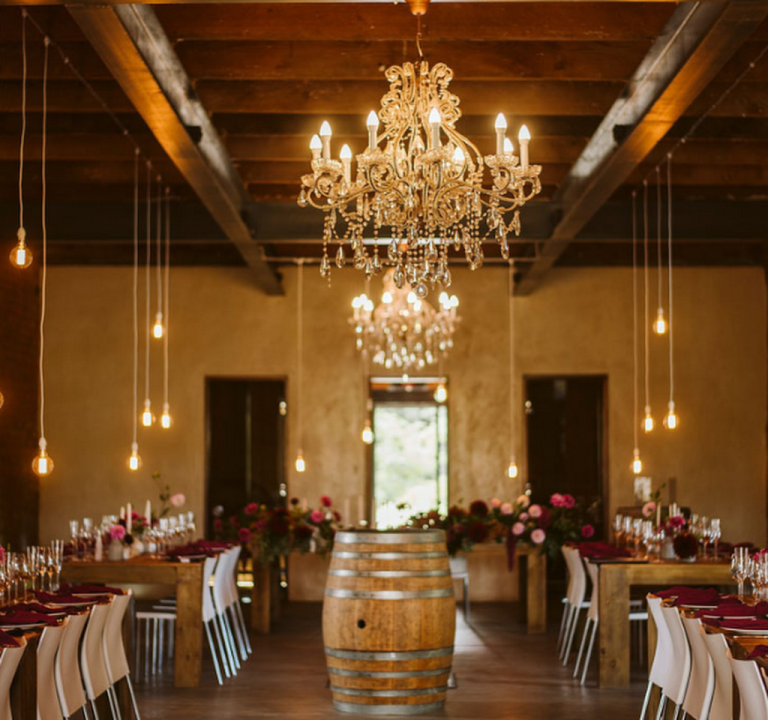
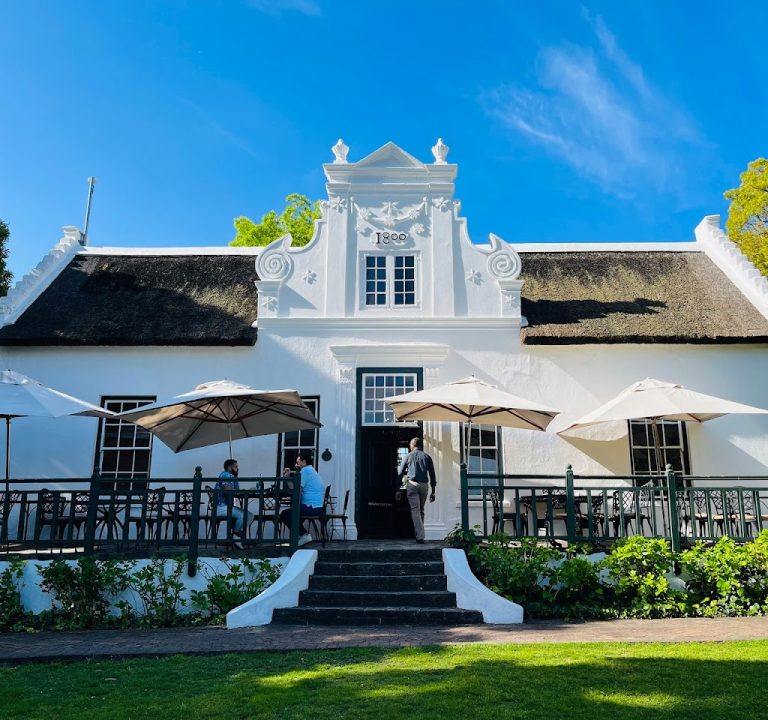
To anchor your planning with a real‑world example, consider visiting Skilpadvlei Wine Estate in the Western Cape. This winery offers a countryside setting where visitors can experience the landscape of the region and explore wine‑tasting opportunities on site. For more information about their offerings, you can visit the estate’s official website: Skilpadvlei Wine Estate.
Ultimately, a well‑planned Cape Town stay blends a comfortable base with easy access to the city’s natural beauty, iconic viewpoints, diverse dining, and nearby wine experiences. Take time to map out a short list of must‑do activities, signpost your preferred areas for accommodation, and leave room for spontaneous discoveries—the city rewards curiosity, and its hospitality industry is well equipped to help you make the most of every moment.