accommodation and attractions in East London, Eastern Cape: a guide to staying well in Sixteen on Latimer and beyond
East London in the Eastern Cape offers a relaxed gateway to South Africa’s coast, with straightforward access to golden beaches, family-friendly activities and a friendly, pocket‑friendly hospitality scene. Whether you prefer a stylish guest house like Sixteen on Latimer or a snug B&B in a historic street, planning a stay here is about balancing comfort, location and the rhythm of daily coastal life. The city itself combines a harbour heritage with a modern waterfront vibe, while the wider region provides easy day trips to nature reserves, riverine walks and beachside cycles.
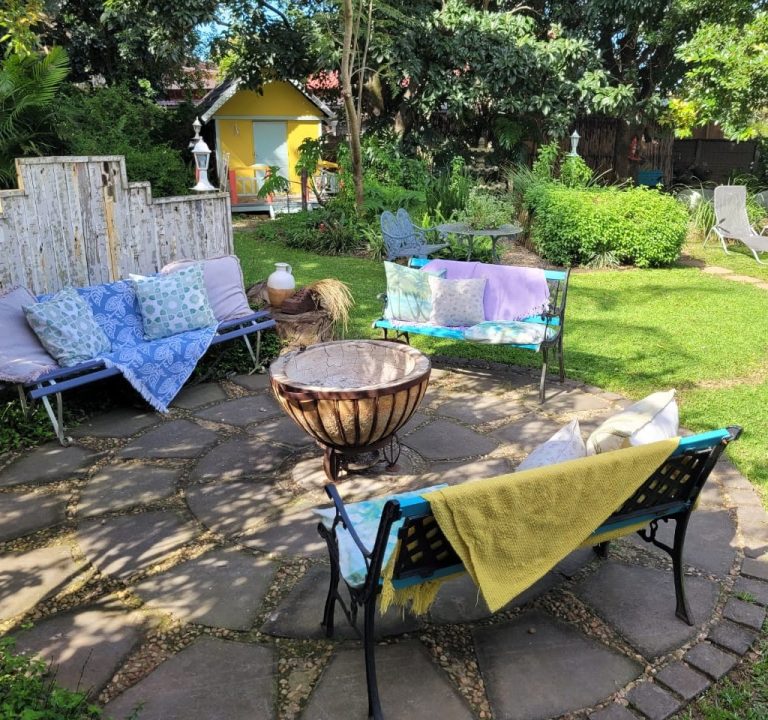
Where to stay depends on how you want to experience the area. The coast around the central city is convenient for nightlife, museums and longshore walks, while neighbourhoods a little further out offer quieter mornings and easier access to beaches without the bustle. If you’re visiting for outdoor activities, consider staying near the Nahoon and Beacon Bay areas for convenient access to surf and coastal trails, or closer to the central district if you’d like to be within walking distance of eateries and shops after a day of exploring. A guest house such as Sixteen on Latimer provides a compact, characterful base with a personal touch and typically easy access to major routes.
When booking accommodation, look for essential comfort features and practical extras. Common amenities in well-regarded guest houses and B&Bs in East London include:
- Inclusive breakfast options, with a choice of savoury and sweet dishes
- Secure on-site parking and clear access routes
- Wi‑Fi with reliable speed for work or streaming
- Air conditioning or good ventilation for warm coastal days
- Private or en-suite bathrooms, with reliable hot water
- Responsive hosts who can share local tips and directions
Transport planning is simple but worth a moment of attention. If you’re flying into East London, the airport is a practical starting point, with hire cars and local taxis available for onward travel. If you’ll be self-driving, many suburbs offer straightforward connections to the N2 and local coastal roads. For guests staying near the central or beachfront areas, a compact car or ride-hailing apps can be enough for daily excursions; for those planning longer day trips to the coast’s quieter corners or inland nature reserves, a car becomes more convenient. Ask your host about parking arrangements, safe neighbourhood routes, and the best times to travel to avoid peak traffic near the city centre and popular beaches.
Best time to visit East London tends to align with the South African summer and shoulder seasons. December to February brings warm days and longer beach hours, ideal for families and water activities, while March to May offers milder temperatures and quieter streets. June to August can be cooler and windier, but the region remains a great base for exploring the area’s green spaces and wildlife highlights. Spring and autumn are good windows for outdoor pursuits such as coastal walks, birdwatching along riverine routes and shorter day trips to nearby reserves. Regardless of when you visit, packing light layers, sun protection and a occasional rain layer will help you enjoy the coastal climate.”
Accommodation in East London often balances price with proximity to either the beach or the city’s cultural heart. If you prefer a homely feel with a personalised touch, a guest house like Sixteen on Latimer can offer a compact, well-appointed space that reflects local character. When evaluating options, consider:
- Proximity to your planned activities (beach access, museum hours, marina or harbour views)
- Quality of breakfast, coffee availability and dietary accommodation
- Safety and lighting in the neighbourhood and at the property
- Clear communication from the host about check-in procedures and local tips
Beyond overnight stays, East London offers attractions suitable for most interests. On the coast, long sandy beaches are perfect for strolling and swimming when conditions are suitable, while river and harbour areas provide scenic walks and opportunities to learn about local maritime history. Museums and galleries offer cultural insights into the region’s development, often complemented by craft markets and seasonal events. For dining, you’ll find a thriving scene of seafood-focused eateries, grilled fare and cafés that champion fresh, locally sourced ingredients. Restaurants here tend to specialise in approachable, family-friendly menus and provide casual settings suitable for both planning sessions and relaxed evenings after a day of sightseeing.
Tip for a balanced itinerary: mix a coastal morning with an inland afternoon. A stroll along the coast can be followed by a late lunch or early dinner in the town centre, leaving time for a sunset walk or a short boat trip if available. If you prefer a shorter trip, local nature reserves and river walks offer refreshing escapes without long travel times. Always check with your accommodation about guided walks or their preferred local operators, as hosts often have up-to-date suggestions for safe, memorable experiences.
For more information about specific stays and to explore options like Sixteen on Latimer, you can visit their official website: Sixteen on Latimer. A well-chosen base in East London can set the tone for a relaxed, enjoyable visit to the Eastern Cape, while giving you a reliable starting point for discovering the city’s coastline, culture and welcoming hospitality.