Exploring Cape Town: where to stay and how to plan your visit
Cape Town is a city of extraordinary contrasts, from dramatic coastal scenery to vibrant neighbourhoods, superb dining and a rich mix of outdoor activities. When planning a stay in this Western Cape gem, choosing the right area and the right type of accommodation can transform a good trip into a great one. Options range from intimate guest houses to stylish hotels and self‑catering stays, each with its own character and advantages.
Consider your priorities when selecting a base. The Atlantic Seaboard, with its ocean-facing streets and easy access to beaches, is ideal for sun, sea and sunsets, plus a straightforward drive to the city centre. The City Bowl and central areas offer quick access to museums, markets and nightlife, while Constantia and the foothills of Table Mountain provide leafy tranquillity and easy access to wine estates and hiking trails. If you’re travelling with family or seeking a quieter neighbourhood, northern suburbs or the southern suburbs often provide gentler residential vibes and convenient parking.
When booking accommodation, look for a few practical details that can make a big difference to your stay. Proximity to reliable transport, including bus services, trains or convenient ride‑hailing access, can save time and stress. Check whether the property has parking if you plan to hire a car. Flexible check‑in and check‑out times are a bonus, especially if you’ll be arriving late or departing early for flights. If you plan early starts for outdoor activities, ask about breakfast options, early‑bird arrangements, or the possibility of packed breakfasts. Note whether the property has facilities such as a well‑equipped kitchen, secure storage for luggage, and good Wi‑Fi for planning day trips.
Typical amenities at Cape Town accommodation include en‑suite bathrooms, comfortable seating areas, and well‑appointed bedrooms. A guest house or boutique hotel may offer personalised service, a sunny verandah, or a small courtyard. Some properties include recommendations for local experiences, such as guided hikes, wine tastings, or coastal walks. If you are mindful of environmental impact or travel light, you may prefer places that focus on sustainable practices, recycling, and water‑conscious policies. It’s also worth asking about childrens’ facilities, accessibility, and any partnerships with local operators for tours or transfers.
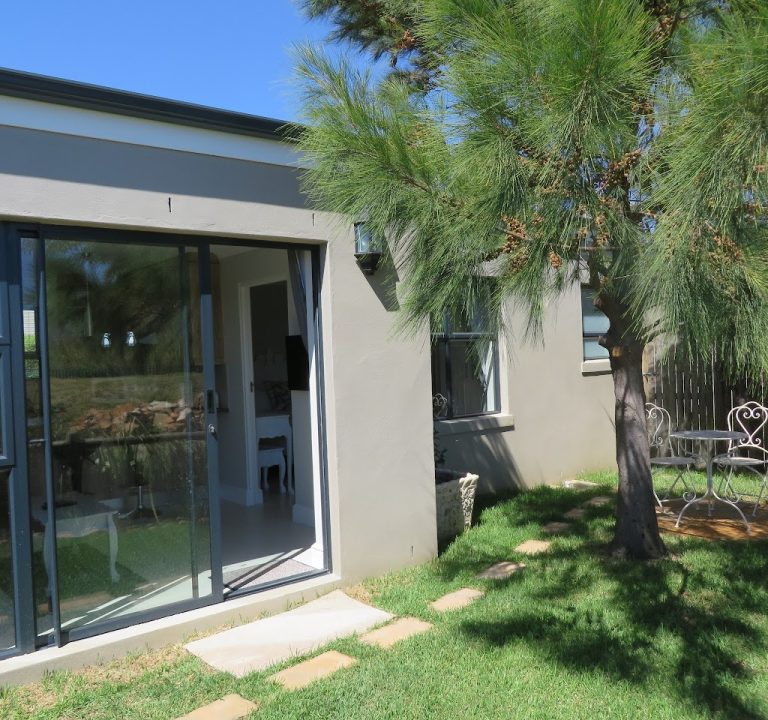
One example of a guest house in Cape Town is Silver Palms Guesthouse. This kind of property typifies the intimate, resident‑style experience that many travellers value in the city. Its website provides information on rooms, locations and what guests can expect from a stay, without the formality of larger hotels. For any stay, a quick view of the booking page and guest reviews can help clarify what is most important to you—whether that’s a quiet street, a short walk to amenities, or a host who can share tips on capturing the best views and experiences in the area. See more about Silver Palms Guesthouse at their website: http://www.silverpalms.co.za/.
Food, dining and local experiences are a big part of Cape Town. The city offers everything from casual cafes and markets to fine dining studios and family‑friendly eateries. In terms of planning, it’s helpful to map out a few favourite neighbourhoods—V&A Waterfront for a scenic harbour setting and waterfront strolls, the Oranjezicht Market area for fresh produce and street food, and the Bo-Kaap for colourful cobbled lanes and cultural heritage experiences. Dining around Cape Town generally tends to be relaxed and diverse, with many venues offering views, outdoor seating, and a focus on seafood and produce‑driven menus. When researching restaurants, you may find menus that highlight seasonal ingredients from the Western Cape and nearby farms, with options suitable for different budgets and tastes.
Top attractions tend to cluster around a few iconic experiences. Table Mountain is the most famous natural landmark, with cable car rides and hiking routes that reward you with sweeping views of the city and coastline. The Cape Peninsula offers dramatic scenery, penguin colonies, and scenic coastal drives. Robben Island, accessed by ferry, is a poignant reminder of history and resilience. Kirstenbosch National Botanical Garden showcases Cape flora in a superb setting, often with seasonal events and easy walking trails. The V&A Waterfront combines shopping, entertainment and harbour ambience, while nearby beaches and coastal paths invite walkers and cyclists alike. For a more active pace, consider guided hikes up Lion’s Head or Signal Hill, or a coastal walk along the Atlantic Seaboard with opportunities for whale watching in season.
Best time to visit Cape Town depends on what you want from the trip. Peak season runs from November to March, when the weather is warm and dry, but accommodation tends to fill quickly and prices may be higher. Shoulder seasons in spring (September to November) and autumn (March to May) offer milder weather, fewer crowds and more affordable rates. Winter (June to August) is cooler and wetter, yet still pleasant for city sightseeing and inland activities, and it can be a quieter time for visitors seeking value.
Practical tips to maximise your stay:
- Book early for popular areas near Table Mountain or the V&A Waterfront, particularly if you’re visiting in peak season.
- Estimate travel times between sites and accommodation to avoid peak traffic delays.
- Plan a flexible day, with one major activity and light, spontaneous options for the rest of the day.
- Pack layers for changing temperatures, especially if you plan outdoor excursions along the coast or up Table Mountain.
- Respect local guidelines and conservation areas when visiting natural sites and parks.
Whether you choose a cosy guest house like Silver Palms or a boutique hotel with panoramic views, Cape Town offers a welcoming blend of comfort, culture and scenery. With thoughtful planning around location, amenities and experiences, you can craft a stay that truly reflects the energy and beauty of this remarkable destination.