Accommodation and Experiences in Cape Town, Western Cape
Cape Town is a vibrant gateway to South Africa’s scenery, culture and cuisine. When planning a stay, think about how you want to pace your visit: sweeping coastal views, mountain trails, and globe‑spanning eateries sit side by side with historic neighbourhoods and bustling markets. Whether you prefer a boutique guesthouse in a historic suburb, a self‑catering apartment near the harbour, or a lodge with easy access to nature, Cape Town offers a broad spectrum of options to suit different budgets and travel styles.
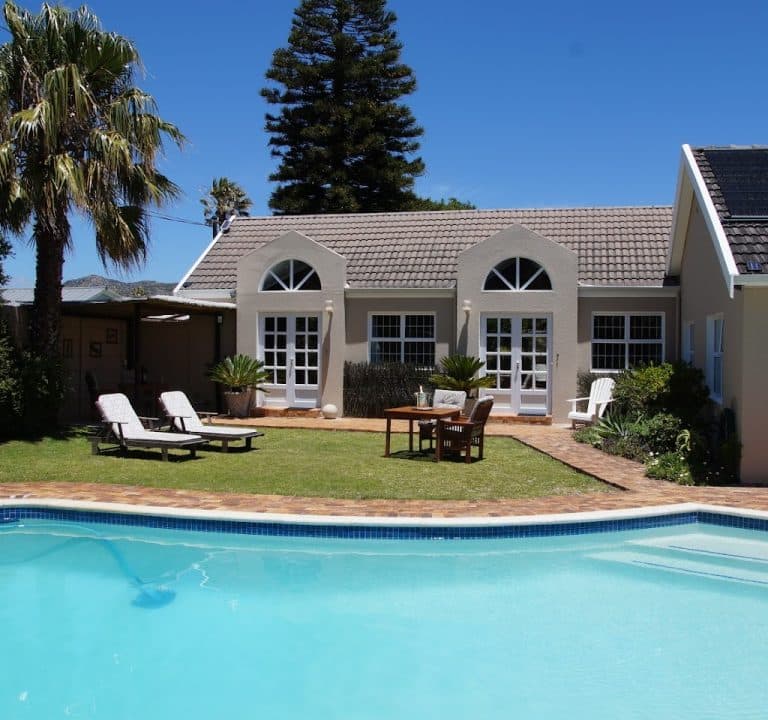
Choosing where to stay is where planning begins. The City Bowl and surrounding neighbourhoods are convenient for sightseeing, while Constantia and the Atlantic Seaboard provide quieter, more luxurious bases with easy access to vineyards and beaches. If you want a beachy vibe with al fresco dining and dramatic sunsets, Camps Bay or Clifton might appeal. For a practical blend of trendiness and transport links, Green Point and De Waterkant are well placed for exploring the waterfront, museums and markets. For those seeking a more residential, leafy setting with range of self‑catering options, Constantia or the Southern Suburbs can be appealing. In the inner city, you may discover characterful boutique stays in converted buildings with easy access to cafés, galleries and public transport. If your stay centres on indoor lodging with easy access to dining and cultural activities, you may encounter options marketed under regional names such as Onder Ou Kaap, which offer compact, comfortable rooms in convenient locations.
What to look for when you book
- Location relative to your planned activities: Table Mountain cableway, harbour cruises, and beaches are all within reach from different hubs. Consider staying close to rail, bus routes or Uber-friendly streets if you plan to move around a lot.
- Transport options: Cape Town has a growing public transit network, but many travellers prefer rideshare services or hire cars for broader exploration, especially if you plan day trips to Cape Point, Stellenbosch or the Cape Winelands.
- Amenities and accessibility: Look for free Wi‑Fi, secure parking if you drive, a well‑equipped kitchenette if you want to self‑cater, and thoughtful touches like laundry facilities or on‑site dining.
- Style and atmosphere: Cape Town lodgings range from historic guesthouses with original features to modern apartments with contemporary design. Decide if you want a homely, intimate feel or a more contemporary, hotel‑style experience.
- Practicalities: Check cancellation terms, house rules regarding self‑catering or dining spaces, and whether there are guest lounges or communal spaces for meeting fellow travellers.
Typical amenities you may encounter
- Breakfast options, whether included or available on site
- Free Wi‑Fi and workspaces for travellers who need to stay connected
- Self‑catering kitchens or kitchenettes
- Private or shared lounge areas, balconies or courtyards
- Secure parking or easy access to public transit
- Housekeeping on a regular schedule and laundry facilities
- Helpful reception or local concierge services to assist with bookings, tours and restaurant reservations
Experiences and attractions to plan around
Cape Town’s landscape is its strongest attraction, with a backdrop of Table Mountain and the surrounding Table Mountain National Park. You might arrange a cableway visit for panoramic views, or hike one of the many trails that weave through the flora and fynbos. The city also offers historic sites, museums and markets where you can learn about Cape Town’s layered history, as well as harbour and waterfront areas that deliver a sense of maritime heritage. For food lovers, the dining scene ranges from casual cafés near the seaside to upscale restaurants with craft beverages and seasonal produce. While it isn’t necessary to memorise every venue, a general plan to explore a few districts each day—one morning in a nature‑rich area, an afternoon in a historic quarter, and a supper in a lively precinct—helps you balance nature, culture, and cuisine.
Best time to visit and practical tips
- Weather and crowds: The Western Cape enjoys warm summers (November to February) with long daylight hours, and milder, wetter winters (June to August). Shoulder seasons like late spring and early autumn are popular for comfortable weather and quieter streets.
- Sea and wind: The Atlantic Seaboard and nearby beaches can be breezy; bring a light layer for cooler evenings near the coast and at higher elevations.
- Outdoor essentials: Sunscreen, a hat, comfortable walking shoes, and a lightweight rain layer in cooler months are sensible staples.
- Safety and awareness: Use reputable transport options, especially late at night, and keep valuables secure. Most areas frequented by travellers are accustomed to visitors, but standard urban precautions apply.
- Day trips: Consider easy day trips to the Cape Winelands, Stellenbosch or Franschhoek for scenic drives, cellar doors and tastings. The Cape Point reserve and the Cape of Good Hope offer memorable landscapes for a half‑ or full‑day excursion.
Getting around
- Public transit: The MyCiTi bus network serves many major routes with links to key sights; it can be a convenient option for centre to coast journeys.
- Ridesharing and taxis: Readily available and often cost‑effective for short hops and late nights.
- Driving: If you plan vineyard tours or longer excursions, renting a car gives you flexibility, but be mindful of peak traffic times and parking arrangements in busy districts.
Where to start your search
- Coastal and city centre bases provide easy access to attractions, restaurants and markets.
- Suburban stays near Constantia or the Southern Suburbs can deliver more space and garden settings, with easy access to nature trails.
- For indoor lodging with a specialised local flavour, look for boutique properties in Onder Ou Kaap and nearby districts that offer comfortable rooms with proximity to amenities.
For inspiration and planning resources, you can explore official tourism information atCape Town’s welcome sites and trusted travel guides. A well‑planned stay blends comfortable accommodation with proximity to nature, culture and cuisine, delivering a balanced Cape Town experience.
Further reading and ideas: https://www.capetown.travel/ and https://www.capetownmagazine.com/