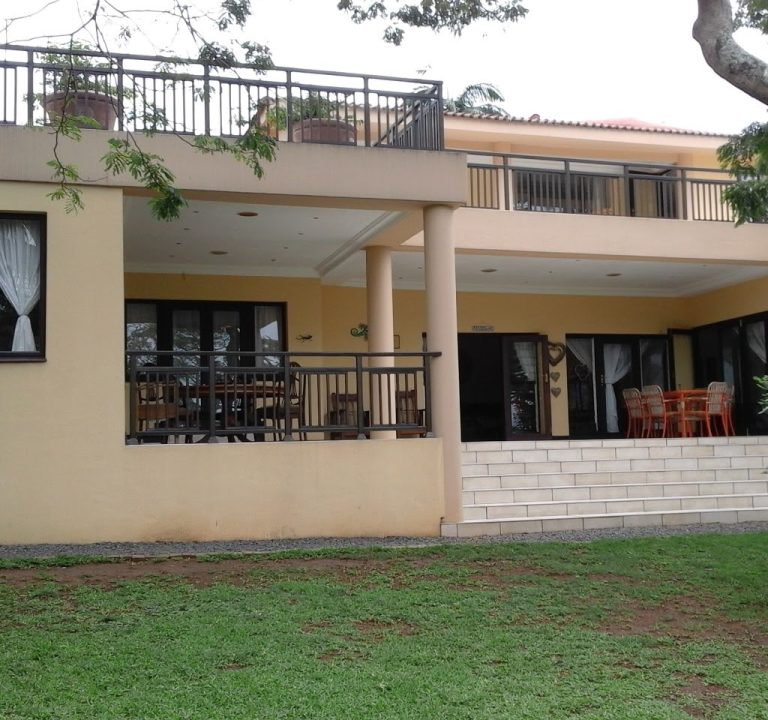
Accommodation and Experiences on the Dolphin Coast, KwaZulu-Natal
The Dolphin Coast of KwaZulu-Natal is renowned for its kilometres of golden beaches, tidal pools, and warm Indian Ocean waters. For visitors seeking a relaxed stay with convenient access to coast and hinterland adventures, the area offers a range of accommodation options from serviced stays to intimate guesthouses. One notable example is Sibakwa Guest House, a serviced accommodation option that showcases the region’s blend of comfort and location. Booking a stay here or in nearby towns can be the ideal base for exploring the coast’s natural beauty and family-friendly activities.
When planning a stay on the Dolphin Coast, consider the different areas within easy reach of the water and amenities. Coastal towns vary in character: some offer a village-like atmosphere with small shops and eateries, while others are more developed with larger beaches and wider choices for dining and entertainment. Proximity to beaches with blue-flag status, tidal pools, and safe swimming zones can influence your choice if you prioritise water-based activities. If you prefer a more tranquil setting, look for lodges or guesthouses slightly inland or on quieter stretches of coast. If you want near-constant access to the shore and playful waves, a property close to the beach promenade or popular swimming coves may be best.
What to look for when booking reflects both comfort and practicality. Start with the basics: clean, secure accommodation, well-equipped kitchens or kitchenettes if you plan to self-cater, reliable heating or cooling for KwaZulu-Natal’s variable climate, and clear information about check-in and parking. A light, airy living space with outdoor areas—such as a patio or balcony—enhances the stay, especially during the warm evenings. For families or groups, consider properties with multiple bedrooms and easy access to outdoor spaces for children to play. If you’re travelling with pets, check policy details well in advance, as not all properties accept four-legged guests. Accessibility features can be important for older travellers or guests with mobility needs.
Typical amenities on the Dolphin Coast include spacious bedrooms, secure parking, and self-catering facilities. Many serviced accommodations provide daily or weekly housekeeping, linen changes, and sometimes on-site facilities such as swimming pools, braai areas, or BBQ zones for a relaxed evening with family and friends. Fast and reliable Wi‑Fi is a practical perk for guests who wish to stay connected or stream entertainment after a day of exploration. Proximity to supermarkets, medical facilities, and convenience stores also makes a big difference for longer stays or families with children.
Transport practicalities are straightforward but worth planning. The Dolphin Coast is serviced by regional roads connecting a string of towns along the coast. Car hire is common for visitors who want to explore multiple beaches and inland attractions at their own pace. Public transport options are more limited in some parts, so if you prefer not to drive, look for accommodation that offers convenient access to local shuttle services, taxi options, or guided day trips. If you’re arriving by air, the closest major airports will require a drive to the coast, after which it’s easy to reach most properties by road.
The best time to visit the Dolphin Coast depends on preferences. The summer months (roughly November to February) bring warm seas and longer days, ideal for beach-lovers and water activities such as snorkelling and surfing. Winter (May to August) is typically milder than the inland climate, with pleasant days for outdoor exploration and wildlife viewing in nearby reserves. The shoulder seasons offer fewer crowds and comfortable conditions for cycling, hiking, and exploring local towns. Consider tides and sea conditions when planning activities along the coast, particularly if you are visiting with children or prefer calmer water for swimming.
Activities and attractions in the area are largely nature- and culture-forward. Expect days spent enjoying the coastline, coastal walks, and family-friendly beaches. Inland, you can explore nature reserves, nature trails, and small-town markets. While the Dolphin Coast is famed for its beaches, many visitors also enjoy regional experiences such as guided coastal walks, wildlife viewing, and cultural encounters that showcase Zulu heritage and local crafts. For dining, look for seafront eateries and family-friendly restaurants offering fresh, locally sourced ingredients, with menus that cater to a range of tastes. If you prefer a self-guided plan, your accommodation host or guesthouse manager can provide thoughtful recommendations for day trips and dining options within easy reach.
Practical tips to optimise your stay: book early for peak season and school holidays, especially if you want a property with specific amenities or a preferred location. Read recent guest reviews to gauge the responsiveness of hosts and the accuracy of listings. If you plan day trips, ask about suggested itineraries and the best driving routes to minimise traffic and maximise time on the coast. Have a lightweight, weather-appropriate wardrobe, remembrance to apply sun protection, and a plan for waste disposal and recycling, as environmental responsibility increasingly enhances the visitor experience. For those staying with Sibakwa Guest House or similar serviced options, confirm whether daily housekeeping or linen changes are included in your rate and whether kitchen facilities support your planned level of self-catering.
- Plan for beach days with sun protection, water safety, and convenient bag storage
- Check parking arrangements and proximity to the beach or town centre
- Consider a mix of self-catering options and dining experiences to enjoy regional flavours