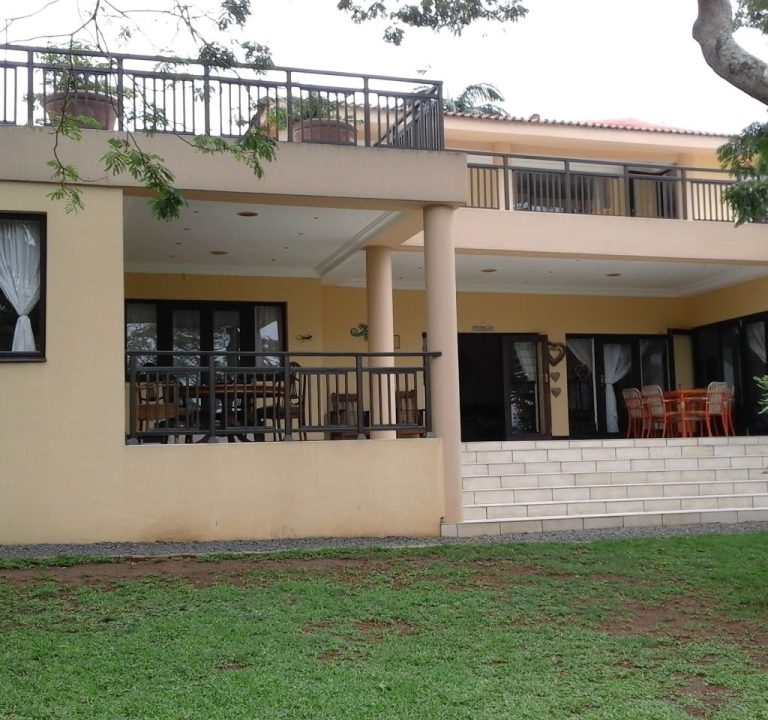
La Patricia and the Dolphin Coast: Accommodation and Planning a Stay
The Dolphin Coast of KwaZulu-Natal is renowned for its expansive beaches, temperate winter sunshine and a relaxed, family-friendly atmosphere. If you are considering a stay in this coastal stretch, self-catering options such as La Patricia sit alongside guesthouses, B&Bs, lodges and boutique hotels, all with the potential to tailor a holiday to suit different rhythms and budgets. The broad appeal of the area lies in its accessibility from major hubs, pleasant coastal towns, and a choice of natural and cultural attractions within easy reach.
Choosing where to base your stay on the Dolphin Coast often comes down to the vibe you want and how you plan to move around. North of the main city area you’ll find quieter residential settlements closer to long, sandy beaches, while towns slightly further inland provide convenient access to shops, restaurants and transport links without losing coastal character. If you prefer a lively pace with more dining options and little more bustle, a central coastal town can be a smart anchor for day trips and evening strolls along the promenade. When selecting accommodation, consider proximity to beaches or lagoons, whether secure parking is available, and how close you are to supermarkets and medical facilities for longer self-catering getaways.
Self-catering properties, such as La Patricia, offer practical advantages for travellers who want flexibility. Look for well-equipped kitchens or kitchenettes, reliable Wi‑Fi, laundry facilities, and clear notes on check-in procedures. A comfortable living space, good natural light, and dependable climate control are worth prioritising, especially for longer stays. In addition, many properties provide outdoor spaces – from sunlit verandas to secure courtyards or balconies where it’s possible to enjoy meals outdoors after a day by the sea. If you are travelling with children or a group, confirm the number of bedrooms and the configuration of sofa beds or extra bedding, and check on safety features such as safety gates for stairs and pool fences where appropriate.
Transport on the Dolphin Coast is straightforward but varies by town. Car hire offers the most flexibility, particularly if you want to explore multiple beaches, nature reserves and towns at your own pace. For those who prefer not to drive daily, many accommodation options can help arrange transfers or offer guidance on local taxi options. If you plan to use public transport, check the proximity to bus routes or railway stations and the typical travel times to popular beaches, markets, and attractions. A short drive to the nearest major road connection can spare time for scenic coastal roads and peaceful stops along the coastline.
Best time to visit the Dolphin Coast is largely dictated by what you want from your trip. Summer months bring warm seas, lively beach life and longer daylight hours, ideal for swimming, snorkelling and day trips to nearby nature reserves. Winter, with its milder days and quieter beaches, appeals to walkers, birdwatchers and travellers seeking a relaxed, unfussed pace. Rain is possible in the shoulder seasons, but dry spells often prevail. Pack versatility in clothing, including sun protection for day trips and a light layer for cooler evenings by the shore. If you are aiming to combine soft adventure with beach time, aim for late spring or early autumn when crowds tend to be smaller and prices may be more favourable outside peak periods.
Facilities and amenities you might encounter at well-rated self-catering properties include comfortable beds with quality linens, well-equipped kitchens, dishwashers, and efficient heating or cooling systems. Guests commonly appreciate in-property entertainment options, secure parking, and easy access to outdoor spaces for al fresco dining. In larger complexes or well-positioned guesthouses, you may find communal barbecue areas, swimming pools, or shared gardens that enhance socialising opportunities after a day on the coast. Always verify the housekeeping schedule and whether linens and towels are refreshed during longer stays, as this can influence your packing list and daily routines.
To make the most of your stay, plan a balanced mix of beach time, food-led experiences, and light sightseeing. The Dolphin Coast offers scenic coastal walks, birdwatching opportunities along estuaries, and easy access to nature reserves and inland attractions. After a day on the sand, you can expect to find a range of dining options nearby that focus on fresh seafood, regional produce and South African favourites. When selecting restaurants, consider places that reflect the area’s coastal character—simple, honest dishes with a local flavour, rather than those chasing trends. Booking ahead is wise in peak season, particularly for sunset dining or popular weekend slots.
- Pack appropriately for the climate across seasons, including sun protection and a light rain jacket.
- Confirm parking arrangements and security measures for your chosen accommodation.
- Check distance to beaches, shops and healthcare facilities when deciding where to stay.
- Ask hosts about washing facilities and any self-catering appliances that are most useful for longer breaks.
- Plan a flexible itinerary that allows for spontaneous seaside strolls and quiet afternoons at your base.
For further inspiration, you can consult official tourism resources for KwaZulu-Natal and South Africa’s coastal regions. They offer practical guidance on beaches with blue-flag status, local markets, and nature experiences that align with responsible travel values. When you are ready to book, check the accommodation’s website or trusted booking platforms for up-to-date information on availability, cancellation policies and any house rules that apply to self-catering properties along the Dolphin Coast.