Staying in Johannesburg: a traveller’s guide to accommodation, neighbourhoods, and must‑see experiences
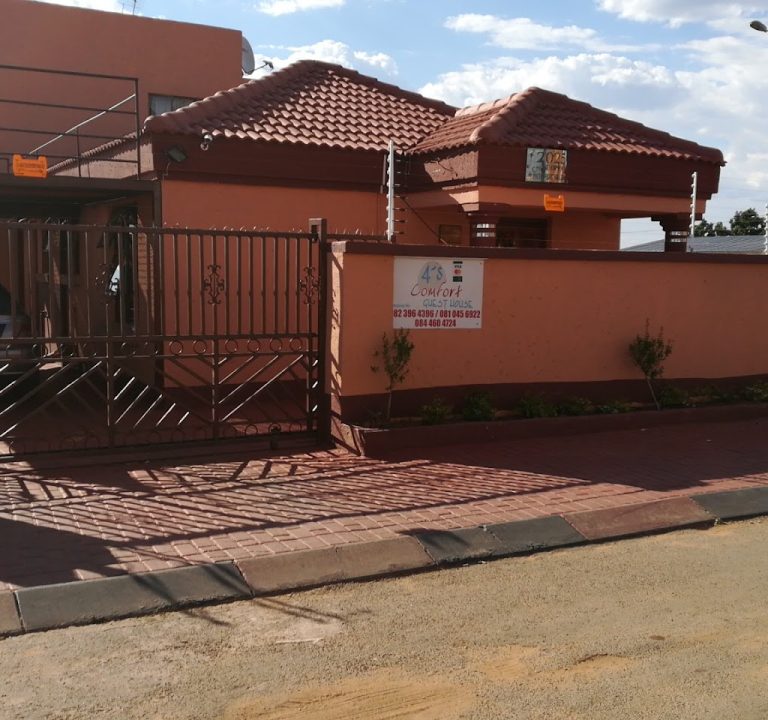
Johannesburg, or Jo’burg as many locals call it, blends modern city life with rich heritage and a thriving cultural scene. When planning a stay, consider a mix of convenient transport access, safe neighbourhoods, and places that offer a distinct sense of place. A guest house such as Selena Guesthouse can provide a home‑from‑home atmosphere with personalised service, a strong sense of community, and easy access to the city’s transport links. Whether you prefer a bustling urban hub, a leafy residential area, or a stylish arts quarter, there are options to suit every style and budget.
Areas to consider include the central business district and its adjacent districts for easy access to museums, galleries, markets, and live music, as well as upscale neighbourhoods with tree‑lined streets, boutiques, and cafés. Northern suburbs and northern‑belt areas offer a calmer pace, parks, and recreation, while the southern suburbs provide close proximity to historical sites and traditional markets. When selecting an accommodation, think about travel time to your planned activities and how you’ll get around—car hire, rideshares, and short walks are all viable, depending on the area.
What to look for when booking a property: a comfortable, clean room with enough storage, reliable hot water, strong wi‑fi, and a well‑ equipped ensuite if you prefer privacy. A good guest house or boutique hotel will typically offer breakfast or kitchen facilities, secure parking or on‑site staff, and accessible common areas where you can meet other travellers. If you’re visiting with family or a group, check the property layout and whether there are family rooms or disablement‑friendly features. Read recent guest reviews for notes on noise levels, staff responsiveness, and the accuracy of descriptions compared with reality.
Typical amenities to expect include free Wi‑Fi with adequate bandwidth for remote work or streaming, tea and coffee provisions, and daily housekeeping. Look for properties that provide helpful extras such as guest lounges, outdoor spaces, a garden, or a shaded courtyard—these spaces can be a quiet retreat after a day of exploring. Dining options vary; some accommodation offers continental breakfast or full‑service meals, while others are self‑catering properties with kitchen facilities. If you have special dietary needs, check ahead to ensure options align with your requirements.
Transport in Johannesburg is well supported by a mix of ride‑hailing, taxis, and public transport connections. Depending on where you stay, you may be within easy reach of a Gautrain link, bus routes, and ride‑share services. For day trips and exploring beyond the city core, consider a base that provides easy access to major arterials or has parking if you’re driving. Safety is important in any city; choose accommodation with secure access, well‑lit surroundings, and staff on site who can advise on the best routes for visitors.
The best time to visit Johannesburg is typically during the shoulder seasons when the weather is mild and the city feels most walkable. Spring (September to November) and autumn (March to May) offer longer daylight hours and pleasant temperatures. Winters (June to August) are cooler but often sunny and comfortable for outdoor exploring, while summers (December to February) can be hot with the possibility of afternoon storms, which may make indoor plans appealing or require flexible itineraries. Plan ahead for outdoor activities, especially in the rainy months, and stay hydrated during warmer spells.
When planning your itinerary, think beyond the city’s well‑known highlights and consider experiences that showcase Johannesburg’s diverse neighbourhoods. Museums and galleries offer historical insight and contemporary art, while markets and street‑side eateries provide a chance to sample a range of flavours. Food lovers can expect a vibrant dining scene with casual cafés, roasteries, and restaurants that celebrate local ingredients alongside international cuisines. For evenings, you’ll find venues with live music, theatre, and casual bars where locals mingle with visitors. If you’re after a more family‑friendly pace, look for parks, botanical spaces, and craft workshops in nearby districts.
Practical tips to help you maximise your stay:
- Research the area you’ll base yourself in and map out a rough route of days to avoid backtracking.
- Book accommodation with flexible cancellation where possible, in case plans shift.
- Verify check‑in times and whether there are self‑check‑in options, especially if you arrive late.
- Use reputable transport options and plan routes in advance for longer day trips.
- Pack comfortable walking shoes and a light rain jacket for changing weather patterns.
- Respect local customs and be mindful of safety in crowded areas.
In summary, Johannesburg offers a broad spectrum of places to stay, from intimate guest houses to stylish boutique hotels, each with its own character and access to a wealth of experiences. A well‑chosen base can unlock easy exploration of nearby attractions, as well as vibrant dining and cultural scenes. Whether you’re drawn to the energy of an urban precinct, the calm of a leafy suburb, or a historical route through the city’s past, plan thoughtfully, book wisely, and enjoy the dynamic hospitality that Johannesburg has to offer. For a comfortable, personalised stay with a friendly welcome, Selena Guesthouse stands as an example of the kind of accommodation that can make a city break both relaxing and enriching.