Johannesburg: Staying, Exploring and Eating in Gauteng’s Dynamic City
Johannesburg, often simply called Jo’burg or Joburg, is a city of contrasts where vibrant street life sits alongside modern comforts and leafy suburbs. When planning a stay, it helps to base yourself in one of several well-connected areas, each with its own character. For a lively urban vibe with easy access to culture and nightlife, consider central districts such as Braamfontein or the Maboneng Precinct. If you prefer a more relaxed, family-friendly tone with parks and shopping, the northern suburbs around Sandton and Rosebank are popular. For history and a deeper sense of local life, a stay in the inner city or in Soweto offers a different perspective.
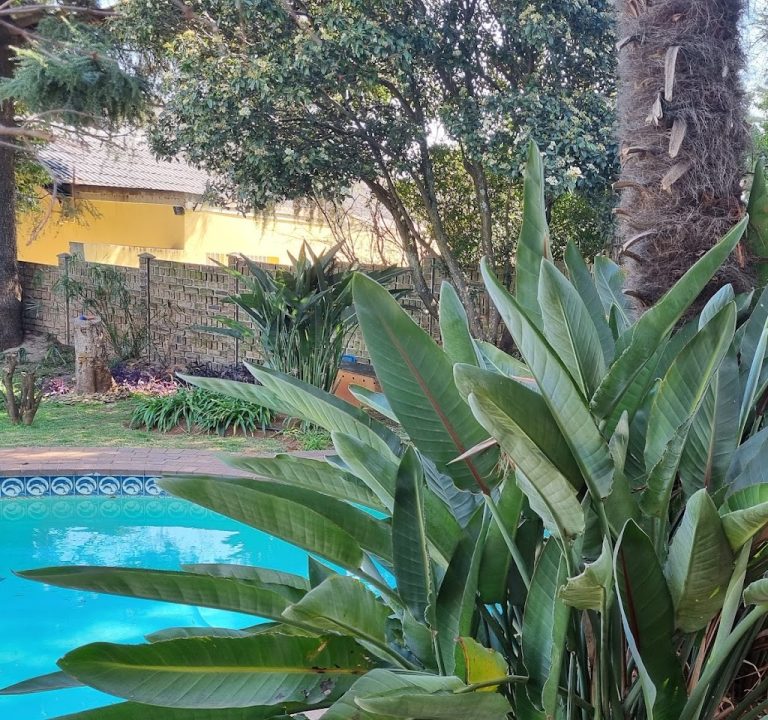
Accommodation in Johannesburg ranges from stylish boutique hotels and contemporary serviced apartments to inviting guesthouses and a growing number of private villas. A standout option for groups or those seeking privacy is a villa-style property with self-catering facilities, where a private pool or courtyard can make a longer stay particularly pleasant. Babylon Mansion, described as a villa in this city’s diverse lodging landscape, is one example of how guest-focused properties can blend space, light and a home-from-home feel with thoughtful touches. When choosing a place to stay, look for:
- Clear access to transport hubs, especially to the central business district and to northern commercial zones.
- Safe, well-lit surroundings with secure parking or on-site security.
- Spacious rooms or living areas, good natural light and reliable hot water.
- Flexible amenities such as fully equipped kitchens, laundry facilities, and strong Wi‑Fi for remote work or streaming.
- Options for breakfast or light meals, and on-site or nearby dining choices.
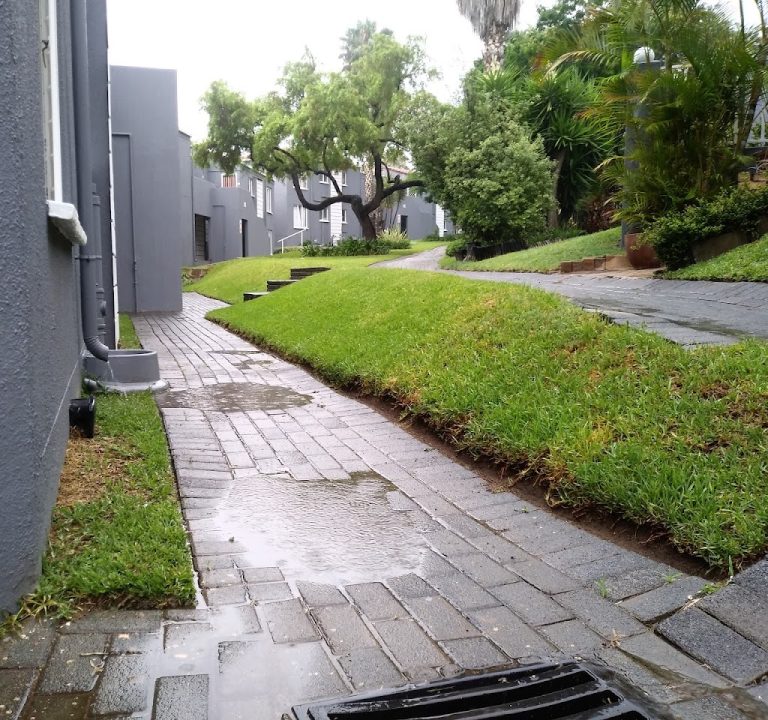
Typical amenities in Jo’burg’s accommodation mix include air conditioning or heating, housekeeping, shuttle services to key sights, and guidance from host properties on local safety and transport. In central areas you may find compact studios through to larger suites with kitchenettes, while in suburban stays there is often more quiet and greenery, with parking and sometimes a communal pool or garden. When booking, check recent guest reviews for insight into nearby shops, safety, and noise levels, especially if your stay is in a busy neighbourhood or near nightlife districts.
Getting around Johannesburg is part of the experience. The city has a growing network of rideshare options, and the rapid rail link known as the Gautrain provides convenient connections to Pretoria, OR Tambo International Airport and Sandton. Within the city, Uber and local ride-hailing apps are reliable, though it’s wise to plan longer journeys for daylight hours and to avoid late-night trips in unfamiliar streets. If you prefer public transit, the city’s bus and rail services offer affordable options, but balance these with local knowledge about routes and safety circumstances. For guests who like cycling, some areas offer bike-friendly streets and guided cycling tours that showcase Johannesburg’s murals and markets.
The best time to visit Johannesburg is during the city’s spring and autumn shoulder seasons, roughly September to November and March to May, when the weather is mild and outdoor attractions are pleasant. Winters (June to August) are cool and dry, with crisp mornings and warm days, while summer afternoons can bring showers. If you plan to explore outdoor markets or parks, these periods are ideal for comfortable wandering without the peak heat of midsummer.
Beyond accommodation, Johannesburg is a gateway to a wide range of experiences. Museums and galleries celebrate South Africa’s complex history and vibrant arts scene. Markets and dining districts offer diverse cuisines and casual places to linger over coffee or craft cocktails. You’ll encounter gardens, streets with striking street art, and thoughtful public spaces that invite a stroll after a day of sightseeing. For a flavour of local life, seek out neighbourhood eateries that showcase South African braai traditions, mixed cuisines influenced by many cultures, and seasonal produce. In central districts, pedestrian-friendly streets, lively markets, and independent shops create a friendly, exploratory atmosphere that’s easy to enjoy at a relaxed pace.
When planning meals and evenings, consider a mix of planned dining and spontaneous discoveries. While major city districts offer a range of well-regarded restaurants, some of the most memorable experiences come from smaller, family-run venues or lively market-side stalls where chefs demonstrate quick-fire cooking and regional favourites. If you want to learn more about neighbourhoods, attractions, and practical tips, consult local tourist information sites and your host’s recommendations. Links to official tourism resources can help you map day trips to nearby attractions and discover seasonal events, markets, and concerts.
Useful links include general visitor information and transport hubs that can help you tailor day-by-day plans. For broader planning, consider visiting official tourism portals and transport authorities to understand current services and safety advisories. A well-planned stay in Johannesburg can combine comfortable accommodation, efficient transport, and easy access to a rich mix of experiences that showcase Gauteng’s dynamic urban culture. For more on Johannesburg and Gauteng, you can explore reputable tourism sites and current visitor guides via their official pages.