Where to stay and what to do in Cape Town: a practical guide for travellers
Cape Town combines dramatic scenery with a rich mix of neighbourhoods, food, and culture. When planning a stay, consider how you want to experience the city’s coastline, mountain vistas, and vibrant urban life. The right base can make everything you want to do feel reachable, from short city strolls to day trips to the Winelands or nearby coastlines.
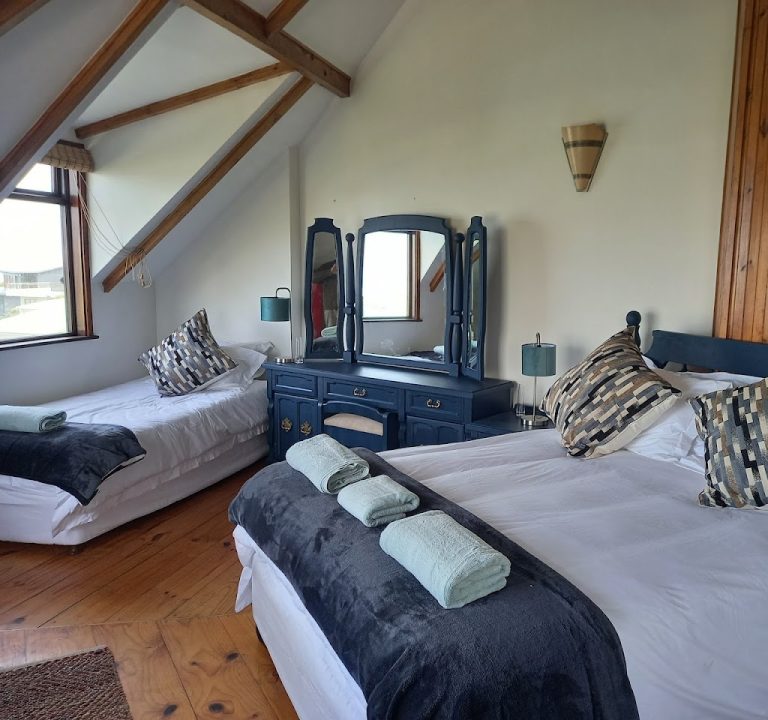
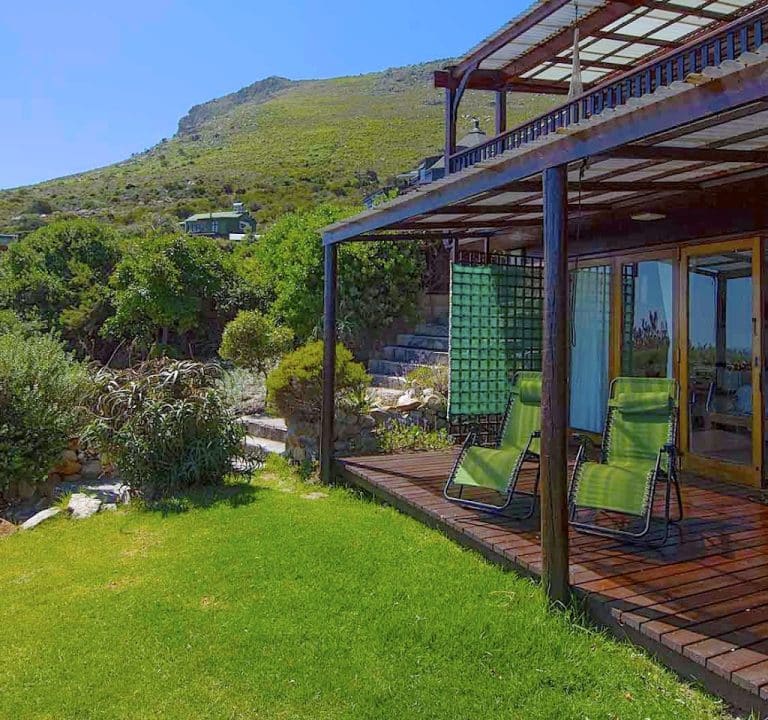
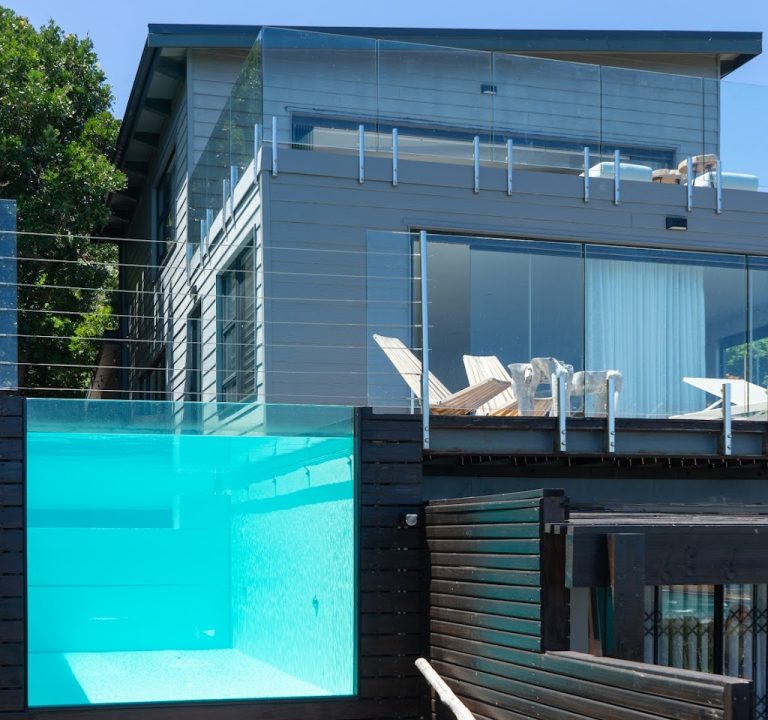
Accommodation options span stylish boutique guesthouses, self‑catering apartments, mid‑range hotels, and larger seaside retreats. A common strategy is to split your stay between a coastal area for sea air and sunsets and a city district that gives you easy access to markets, museums, and restaurants. For example, a stay at a property such as Seaview Villa can provide a convenient base near the Atlantic seaboard, with rooms or suites that suit couples, families, or small groups. Whichever option you choose, it is worth checking the following as you compare listings.
- Location and access: Proximity to MyCiTi bus stops, major roads, or a rail stop can save time, especially if you are not hiring a car.
- Views and ambience: Properties with sea or mountain views, well‑maintained grounds, and quiet rooms can improve rest after busy days.
- Amenities: Look for reliable Wi‑Fi, air conditioning or ceiling fans, secure parking, a swimming pool, and on‑site dining or kitchenette facilities if you plan to cook.
- Safety and access: Ground‑level entrances, good lighting, and secure lock systems are useful, particularly if you plan to walk back after evening activities.
Neighbourhoods to consider include:
City Centre and De Waterkant – A walkable hub with easy access to museums, galleries, and an array of cafés and restaurants. The area is well served by public transport and taxis, making it convenient for a first visit.
V&A Waterfront and Green Point – Known for harbour views and a lively atmosphere, these areas offer a mix of hotels and serviced apartments. They’re ideal for visitors who want to combine sea breezes with city amenities and occasional live events.
Camps Bay and Clifton – For dramatic Atlantic coastline and sunset views, these neighbourhoods provide stylish coastal stays and a more relaxed pace. Some properties here have pools and direct beach access, perfect for a beach‑based break.
Atlantic Seaboard and Sea Point – A blend of modern apartments and boutique hotels within easy reach of promenades, sea views, and a range of eateries. This zone is great for longer stays or families who value convenience and proximity to the sea.
Constantia and the Constantia Valley – If you fancy a break from the city buzz, consider a stay in the wine country just outside Cape Town. Here you’ll find guesthouses and boutique hotels with lush gardens and easy access to wine estates and scenic drives.
When booking, it helps to think about transport. Cape Town’s terrain can make walking long distances tiring, and traffic can be unpredictable. If you are not driving, choose accommodation near a bus route or within a short taxi ride of your planned activities. Some travellers prefer a central base in the City Bowl or Green Point for daily meals and museums, while a coastal base offers more beach‑oriented leisure and long coastal walks.
Typical amenities to expect include hot water, reliable heating or cooling, and comfortable bedding. Many properties offer breakfast either included or available on site, which can simplify mornings before sightseeing. For longer stays, kitchens or kitchenette facilities are a practical touch, letting you prepare light meals after a busy day. House rules and check‑in procedures vary, so it is worth confirming late arrivals or special requests (for example, extra towels or a child’s crib) in advance.
The best time to visit Cape Town depends on what you want from your trip. Summer (December to February) brings warmer weather and sea swimming, while autumn (March to May) and spring (September to November) offer milder temperatures and superb coastal scenery. Winter (June to August) is cooler and often wilder with more storms, which can be a different kind of beauty and atmosphere. If you plan outdoor activities such as hiking or coastal walks, spring and autumn can provide pleasant conditions and fewer crowds at popular viewpoints.
Planning practical activities during your stay helps you tailor where you book. Grounded in nature? Look for routes in Table Mountain National Park or the Cape Peninsula, with daylight hours in mind. City sightseeing can include a stroll through markets and historical neighbourhoods to sample street food, coffee, and casual dining. For those seeking a more refined experience, many dining rooms offer seasonal menus inspired by South African ingredients, complemented by world flavours and contemporary techniques. In addition, Cape Town serves as a gateway to day trips to the Cape Winelands, the penguins at Boulders Beach, and the scenic drives along the Atlantic coast. While prices and menus vary, seeking a mix of meals within your accommodation and local favourites will help you balance variety with comfort.
Practical tips for a smooth stay: book in advance for peak seasons, carry sunscreen and a hat for outdoor days, and be mindful of safety when exploring unfamiliar areas after dark. Use reputable transport options, keep valuables secure, and have a rough plan for day trips with a realistic sense of travel time. For more ideas and practical planning resources, you can visit official tourism sites or travel guides that offer up‑to‑date information on attractions, routes, and seasonal events. Cape Town rewards curious explorers with landscapes that change with the light and a hospitality scene that welcomes all kinds of travellers.
For more inspiration on planning a stay and exploring Cape Town, see official visitor information at resources such as capetown.travel.