Exploring Cape Town: Accommodation, attractions, and practical planning for a memorable stay
Cape Town, nestled on the western edge of the Cape Peninsula, offers a rich mix of coastal scenery, iconic landmarks, and a cosmopolitan dining scene. When planning a stay, consider both the character of the neighbourhood and the convenience of access to the city’s major sights. From stylish boutique stays in historic districts to family-friendly guesthouses near the Atlantic beaches, there is a range of options to suit different budgets and travel styles.
Choosing the right area can shape your experience. The historic part of the city centre and the nearby central business district are ideal for railway access, walking-friendly dining streets, and close proximity to cultural institutions. The V&A Waterfront area combines modern lodging with harbour views and easy links to ferries or boat trips. For a more laid-back atmosphere, the Atlantic Seaboard offers beachfront stays with easy access to Camps Bay and Clifton’s sandy coves. The southern suburbs, including Constantia and nearby wine routes, provide a tranquil retreat with garden settings and access to scenic drives, hiking trails, and winery restaurants.
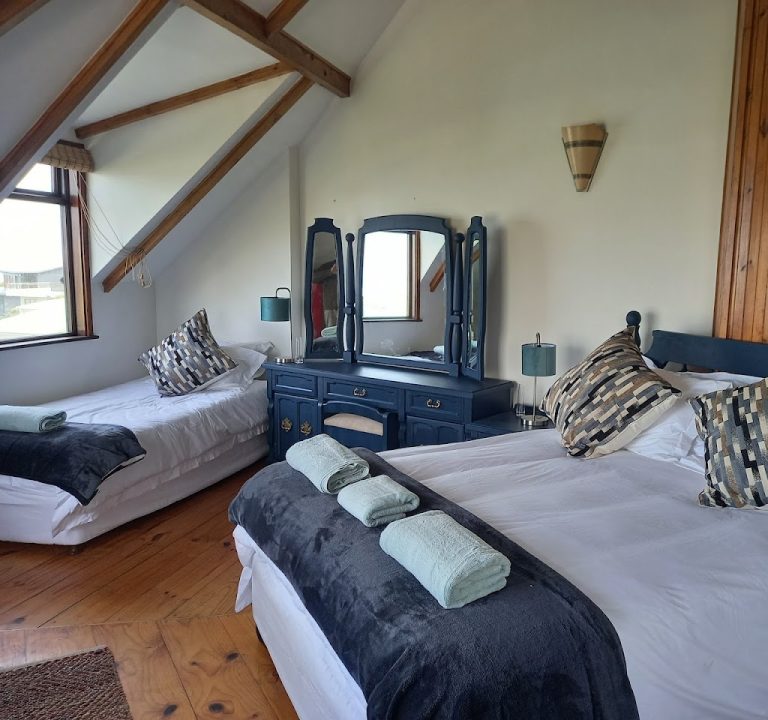
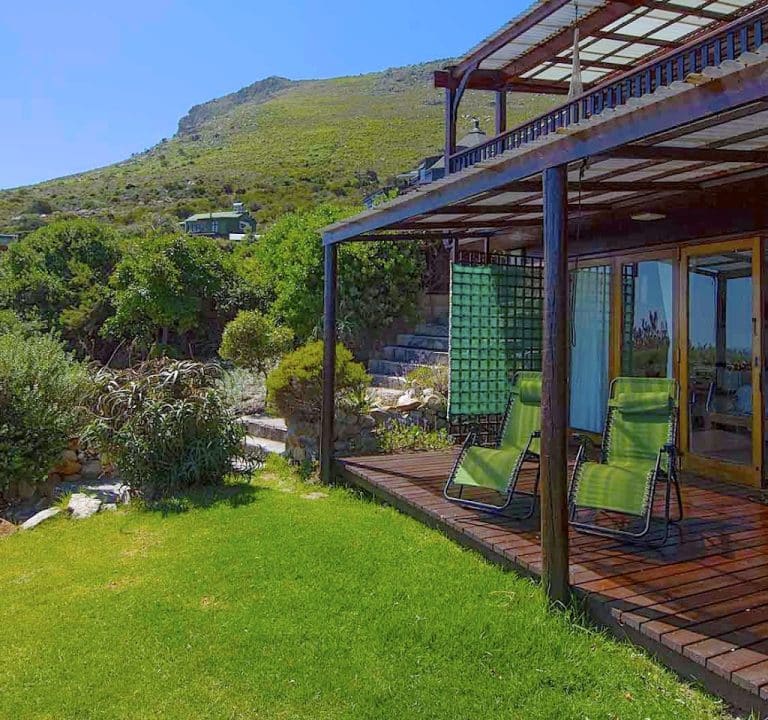
Typical accommodation options in Cape Town range from intimate B&Bs and guesthouses to boutique hotels and larger wellness lodges. When booking, look for a few practical amenities that make a stay smoother: strong Wi‑Fi, flexible check-in and check-out, clear information about accessibility and parking, and reliable housekeeping. A well-equipped kitchenette or a simple breakfast offering can be particularly handy, as can secure on-site parking if you’re planning to hire a car. Spaces with outdoor areas, views of the city or Table Mountain, and quiet-soundproof rooms tend to enhance comfort after busy days of sightseeing.
Transport in Cape Town is varied and approachable. The city has affordable public buses and a growing network of ride-hailing services. If you plan day trips to places such as Cape Point, Kirstenbosch Botanical Garden, or the peninsula’s scenic coastal towns, a car or guided tour can be more convenient than relying solely on public transport. For shorter hops, many areas are walkable or bike-friendly, especially near the waterfront and in central districts. When staying in a coastal district, a car can also give you more flexibility to catch sunrise or sunset views from the beach or from a nearby lookout point.
Best time to visit Cape Town depends on what you want from your trip. The late spring and summer months bring longer days, warmer seas, and vibrant outdoor markets and street life. Autumn offers cooler, pleasant weather with fewer crowds, making it a good choice for wine-country excursions and city sightseeing without peak-season bustle. Winter is mild by many standards but can bring windier conditions and occasional rain, which can be ideal for indoor cultural visits or enjoying a cosy guesthouse with a fireplace. Regardless of the season, it is wise to bring layers, sun protection, and comfortable walking shoes, since many attractions involve outdoor exploration.
Major attractions are spread across the region. Within easy reach of the city, you can plan to ride a cable car up a famous mountain to appreciate panoramic views, or to explore botanical gardens and coastal reserves. In close vicinity to central areas, museums, historic districts, and art galleries provide a blend of culture and design. The Cape Peninsula also showcases dramatic coastline, sea life, and chances to observe penguins and other wildlife, depending on where you visit. For dining, Cape Town’s restaurant scene ranges from casual eateries serving fresh seafood and regional produce to refined venues specialising in cuisine inspired by local markets and gardens. Many places source ingredients locally and offer seasonal selections that reflect the city’s diverse food culture.
Practical tips for a smooth stay:
- Read guest reviews carefully to understand the true character of a property, including noise levels, cleanliness, and the responsiveness of hosts or staff.
- Check accessibility details if you have specific needs or require easy entry and move-around space.
- Ask about parking arrangements, especially in busy urban districts where on-street parking may be limited or restricted at certain times.
- Plan a balanced itinerary that mixes iconic experiences with time to wander neighbourhood streets, markets, and seaside promenades.
When packing, bring daylight-friendly clothing for your day plans and a warmer layer for evenings, particularly if you are near the coast or visiting higher lookout points. If you are staying in a guesthouse or boutique property, take advantage of personal recommendations from hosts about local eateries, markets, and lesser-known beaches that offer a more intimate experience of Cape Town. For a broader taste of the region, consider a day trip to nearby Constantia or Stellenbosch for wine country discoveries, with a stop at a scenic coastline or a nature reserve on the way back. And when you plan your meals, you can explore a range of options—from casual cafés and bakery-led breakfasts to sophisticated tasting menus—without losing sight of the unique Cape Town welcome: friendly hospitality paired with remarkable scenery.
Whether you are visiting for the iconic summit views, the cultural neighbourhoods, or the coastal beauty, Cape Town provides a well-rounded base for a memorable Southern African escape. For further inspiration and practical planning, you may wish to browse reputable local travel guides and approved accommodation websites that offer current details on availability, locations, and guest services. Schuster’s Kraal and similar areas can form part of a broader itinerary that blends natural landscapes with urban exploration, allowing you to experience the region’s character in depth.