Cape Town: Accommodation, Attractions, and Practical Planning for a Memorable Stay
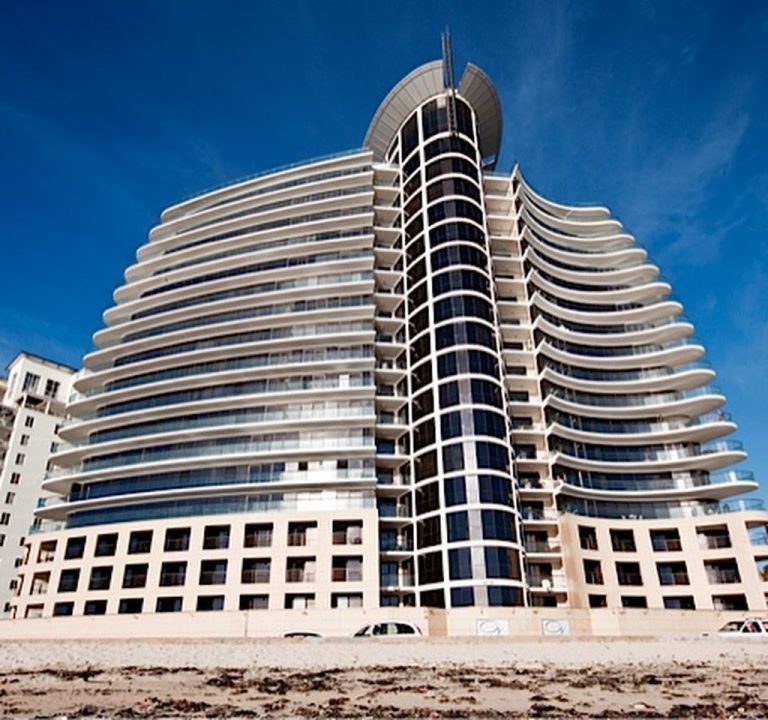
Cape Town in the Western Cape is a gateway to dramatic landscapes, coastal charm and a vibrant culinary scene. When planning a stay, travellers often balance location, comfort, and access to transport to maximise time spent exploring. Self-catering options, along with guesthouses, hotels and lodges, provide a range of amenities to suit different styles and budgets. For example, Seascape Self Catering Accommodation offers flexible stays that make it easy to base yourself close to water fronts and mountain views while enjoying your own kitchen and living space.
Areas to consider for accommodation include the City Bowl and central areas, where you’ll find stylish boutique options and easy access to museums, markets and nightlife. The Atlantic Seaboard, including Green Point and optically spectacular Camps Bay, is famed for white-sand beaches, ocean views and a more upmarket pace. Constantia and the nearby Southern Suburbs offer leafy streets, large properties and wine route access, ideal for visitors who prefer a quieter base with day trips to the Cape Winelands. For those seeking convenience to the airport and major transport links, the harbour and V&A precincts provide a lively centre with short commutes to surrounding attractions.
What to look for when booking: consider the proximity to the places you most want to visit, whether you prefer a view or a quieter neighbourhood, and the type of space that suits you—self-catering apartments, hotel rooms with breakfast, or intimate guesthouses. Check the number of bedrooms if travelling with family or friends, kitchen facilities, wi‑fi reliability, secure parking or easy access to public transport. If you prioritise flexibility, a self-catering option can simplify meal planning after long days of exploring. For group stays, a larger apartment or suite with multiple bathrooms is particularly convenient.
Typical amenities worth seeking include a well-equipped kitchen or kitchenette, reliable wi‑fi, in-room climate control, laundry facilities, on-site or nearby parking, and 24-hour reception or security. Airy living spaces, comfortable beds with quality linens, and outside spaces such as balconies or patios can significantly enhance your stay. For families or longer visits, properties with private entrances or separate living zones help maintain privacy while providing common areas for socialising.
Transport in Cape Town is well supported by road networks, and many central areas are walkable for short trips. The MyCiTi bus network and other public transport offer practical options for day-to-day travel, while car hire enables flexible exploration of the Cape Peninsula, Cape Point, the Constantia Valley and the winelands. If you prefer guided experiences, many accommodation providers can advise on trusted tour operators offering scenic drives, hikes, and boat trips. Always check access to reliable taxis or app-based transport in the evenings, especially in busy periods.
Best time to visit: Cape Town enjoys warm summers with peak tourist activity from late spring to early autumn. December to February offers long days and lively coastal life, but popularity means busier streets and higher prices. Spring and autumn bring milder weather and quieter crowds, which can be ideal for sightseeing and outdoor activities. Winter months are cooler and can be a good time for indoor cultural experiences, such as galleries and culinary tours, paired with good-value accommodation options.
Practical tips for planning your stay:
- Define your priorities: beach access, mountain views, easy city access, or wine country day trips.
- Book with flexible cancellation when possible, especially during peak seasons.
- Assess parking availability; if you plan to hire a car, confirm secure parking or on-street restrictions in advance.
- Consider a mix of activities to balance outdoor pursuits with food and culture experiences.
- Pack layers for variable coastal weather and a light waterproof for sudden showers.
Attractions and experiences in broad terms include world-class natural scenery, iconic viewpoints, and the chance to explore diverse neighbourhoods. Visitors commonly seek scenic hikes and cable-car adventures to elevated viewpoints, coastal walks along the Atlantic shoreline, and visitor experiences that showcase local crafts, markets and eateries. Cultural experiences can range from museums and galleries to guided tours that illuminate the city’s history and contemporary vibrancy. In terms of dining, Cape Town offers a wide spectrum—from seafood and Mediterranean-inspired menus to modern dining concepts—catering to varying tastes and budgets. For those who enjoy a culinary focus, it is useful to explore local markets and neighbourhood eateries to sample fresh produce and regional flavours without the need for formal reservations.
Finally, when selecting a stay, consider how easy it is to reach your chosen areas, transport options for daily outings, and what activities you want to pair with your accommodation. With careful planning, a stay in Cape Town can be tailored to be indulgent, relaxed, and thoroughlyINEspiring, letting you make the most of the city’s stunning scenery while enjoying comfortable and convenient accommodation. If you are seeking a self-catering option, Seascape Self Catering Accommodation represents one of the practical choices for travellers who value flexibility and style in their Cape Town stay.