Cape Town: where accommodation meets world-class scenery, with planning tips for a memorable stay
Cape Town blends dramatic natural beauty with a rich mix of neighbourhoods, each offering a distinct flavour for your stay. When choosing accommodation, consider what you want from your days—ocean views and easy beach access, proximity to iconic mountain hiking, or a central base with quick access to shops, restaurants and nightlife. Self-catering options, boutique BnBs, lodges and well-appointed hotels sit across the city’s varied landscapes, from the bustling Victoria & Alfred Waterfront to the leafy slopes of the City Bowl and the sun-drenched Atlantic Seaboard.
Areas to consider include:
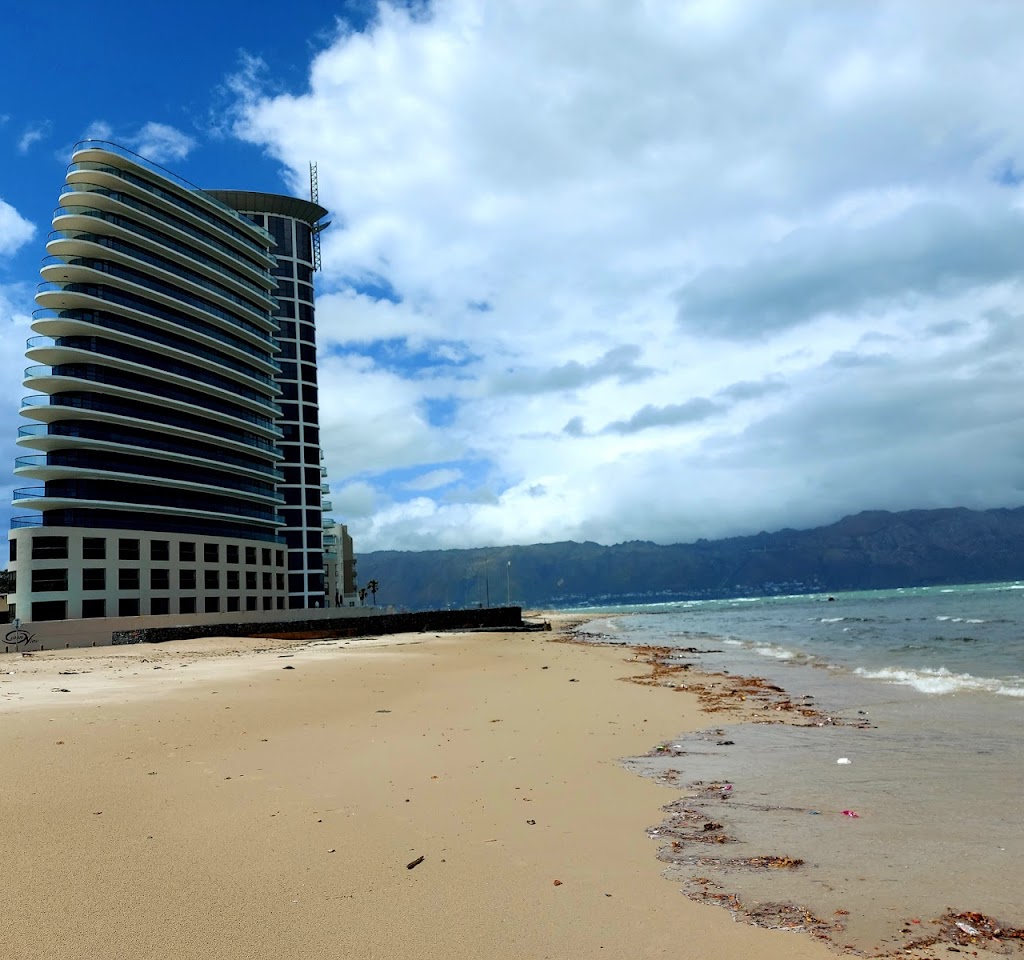
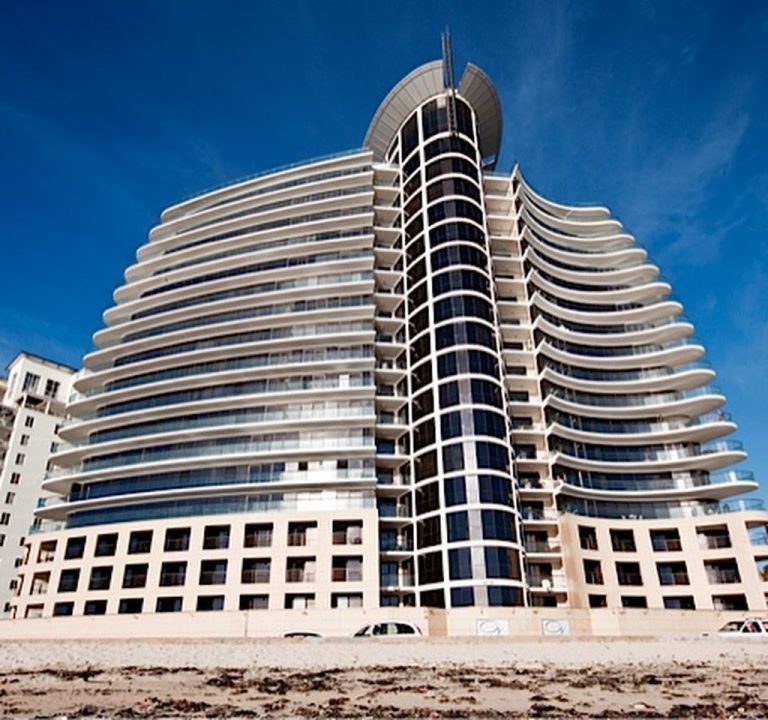
- Atlantic Seaboard: for beaches, dramatic coastline and contemporary apartments with sea views. Great for sun, surf, and seafood dining along the coast.
- City Bowl and De Waterkant: for walkable streets, city life, and access to entertainment, cafés and markets.
- Green Point and Greenmarket Square: a balance of relaxation, green spaces and easy access to attractions, with a variety of accommodation styles.
- Constantia and the southern suburbs: for a more tranquil stay among wine estates, world-class dining and picturesque scenery.
- Hout Bay and the Atlantic coast further afield: for a quieter base with more direct access to coastal trails and nature.
When booking, think about the practicalities that influence your daily routine. Look for clear cancellation policies, flexible terms, and transparent descriptions of the space. A self-catering apartment such as 203A Ocean View Apartment can offer the convenience of a private kitchen and living area, alongside location advantages that suit a varied itinerary. For travellers planning longer stays or family trips, features like in-unit laundry, dedicated parking, and reliable wifi become particularly valuable.
Typical amenities to expect or check for include:
- Kitchen facilities and dining area
- Reliable wifi and adequate workspaces if you need to stay connected
- Secure access, good lighting and safety measures
- On-site parking or easy alternatives for car hire and transfers
- Air conditioning or heating for seasonal comfort
- Outdoor spaces, views or proximity to parks and trails
- Housekeeping frequency or laundry facilities
- Self-catering provisions, such as basic utensils, kettle, coffee or tea facilities
- Access to public transport routes or convenient airport shuttles
Transport in Cape Town is an important planning element. The MyCiTi bus network and rail links can connect you to major areas, while rideshare services and rental cars offer flexibility for exploring places that sit beyond walking distance. If you plan to visit popular natural attractions or winelands, consider arranging a day tour or private transfer, as this can simplify travel logistics and maximise your time on site.
The best time to visit Cape Town varies with what you want from the city. Spring (September to November) and autumn (March to May) often deliver pleasant weather, fewer crowds, and lush scenery. December to February brings warmer days ideal for beach days and outdoor adventures, though peak periods mean busier streets and higher prices. Winter (June to August) is milder than northern destinations, with cooler mornings and the chance of rain, but still offers plenty of indoor activities such as museums, markets and culinary experiences.
Practical tips to get the most from your stay:
- Book accommodation with clear directions to major sights and easy access to safe, well-lit streets at night.
- Factor travel time into your plans, especially if you aim to visit Table Mountain, the Waterfront, or the Cape Peninsula scenic routes.
- Protect your valuables and be mindful of neighbourhood safety—choose properties with secure entry and reputable reviews.
- Pack layers for changing conditions, particularly on the coast where wind and sea breezes can be strong.
- Sample a mix of dining experiences—seafood by the coast, casual cafés in vibrant suburbs, and fine-dining options in wine country regions nearby.
- Respect local etiquette and environmental practices; many places value recycling, energy efficiency and responsible tourism.
Beyond the accommodation, Cape Town offers a broad range of experiences. You can start with land- and sea-based activities such as scenic viewpoints, hiking trails, pristine beaches, and marine encounters, followed by visits to cultural sites and markets that showcase the city’s diverse heritage. For day trips, the surrounding winelands and coastal towns provide additional opportunities for tastings, cellar tours and scenic drives. When booking any experiences or dining, verify that the options align with your interests and budget, and use reputable providers with good safety records.
For further planning, visit official tourism resources to explore suggested itineraries, maps and practical guidance on accessing attractions around the Cape Town area. The city’s accommodation options, combined with its landscapes and dining scene, create a versatile base for a memorable stay in the Western Cape.