Plettenberg Bay: Accommodation, Attractions and Practical Planning for Visitors
Plettenberg Bay, on South Africa’s famed Garden Route, offers a friendly mix of sun-kissed beaches, forested scenery and approachable hospitality. For travellers seeking comfortable stays with easy access to nature and dining, the town presents a range of options from cosy guest houses to self‑catering homes, many perched within short strolls of the shoreline or tucked away in leafy residential streets. A stay here can be designed around laid‑back beach days, coastal walks and easy day trips into the surrounding hills and forests.
Accommodation in Plettenberg Bay generally spans several distinct areas, each with its own character. The town centre and the beachfront provide convenient access to shops, eateries and the main beaches, making it a popular choice for guests who want to be close to activity. The Robberg Peninsula area offers a more tranquil setting with impressive views and close proximity to nature walks, while the neighbourhoods around the Crags and Wittedrift are ideal for guests seeking a quieter, residential atmosphere with larger units and a touch more privacy. When choosing where to stay, consider how you plan to spend your days: if you anticipate long beach sessions and short car rides, stay near the water; if you prefer airy rooms and a garden setting, look for properties a short drive from the town centre.
Typical amenities you can expect in Plettenberg Bay’s accommodation offer range from functional and simply stylish rooms to more self‑contained options. Guest houses and self‑catering homes often provide private entrances, kitchen facilities or kitchenette options, comfortable living spaces, and dependable Wi‑Fi for planning daily outings. Beach de‑courty or garden access can be a particular perk, alongside features such as secure parking, laundry facilities, and outdoor patios or sundecks. When booking, verify what is included in the rate—whether daily housekeeping, a self‑catering setup, or access to communal spaces—so you can plan meals and downtime accordingly. If you have specific needs, like space for a small group or a baby’s cot, it is worth confirming these in advance with the host or property manager.
Transport in Plettenberg Bay is generally straightforward. A car is the most convenient way to explore along the coast and into the surrounding forests and wine routes. Some properties offer parking on site, and a few may provide shuttle arrangements or practical tips for short taxi hops into town. If you arrive by air, the closest commercial airport is in George, with a scenic drive to Plettenberg Bay. Local taxis and rideshare services operate, but having a car gives you the most flexibility for early starts and late finishes at beaches or viewpoints. For those preferring to leave the driving to others, many guest houses can help arrange guided day tours or recommend reliable local operators for nature reserves, coastal walks and wine tastings.
The best time to visit Plettenberg Bay generally aligns with the South African summer and shoulder seasons. From November to February you can expect warm days and good beach conditions, though sea breezes can be variable. March to May tends to be mild and pleasant, with fewer crowds, making it ideal for hiking in the Robberg Nature Reserve or enjoying long seaside strolls. Autumn and winter months (June to August) are cooler and can be misty, but many properties remain welcoming with cosy communal spaces—perfect for those who enjoy a slower pace and indoor fires or hot drinks after a day outdoors.
When planning activities, consider combining coastal leisure with light adventure. Robberg Nature Reserve offers dramatic coastal trails, wildlife spotting and stunning viewpoints, and the long sandy beaches are perfect for sunbathing, swimming or a relaxed family day out. The wider Plettenberg Bay area includes forest walks, viewpoints along the Beacon Island coastline and opportunities to explore nearby nature reserves and wildlife experiences in a responsible manner. For food lovers, Plettenberg Bay hosts a variety of dining options that showcase fresh, seasonal ingredients in relaxed settings. Many restaurants emphasise seafood, modern South African cuisine and informal bistro fare, with menus that cater well to families and couples alike. Sunday markets and small cafés around the town provide casual options for light meals and coffee breaks during day trips.
Practical tips to help you get the most from your stay:
- Book early in peak seasons (school holidays and long weekends) to secure preferred locations, especially if you want a specific area such as near the beach or the Robberg Peninsula.
- Check whether your accommodation offers self‑catering facilities, online shopping options or delivery recommendations to keep meals simple on busy days.
- Ask about parking arrangements and access times, particularly for properties in busier streets or in gated communities.
- Inspect the property’s comfort features, such as heating, hot water supply and cooling options for warmer days.
- Plan a balanced itinerary with nature, beaches and dining to avoid overcommitting on busy days.
- Use official tourism sites and reputable guides for up‑to‑date information about trails, safety advisories and seasonal conditions.
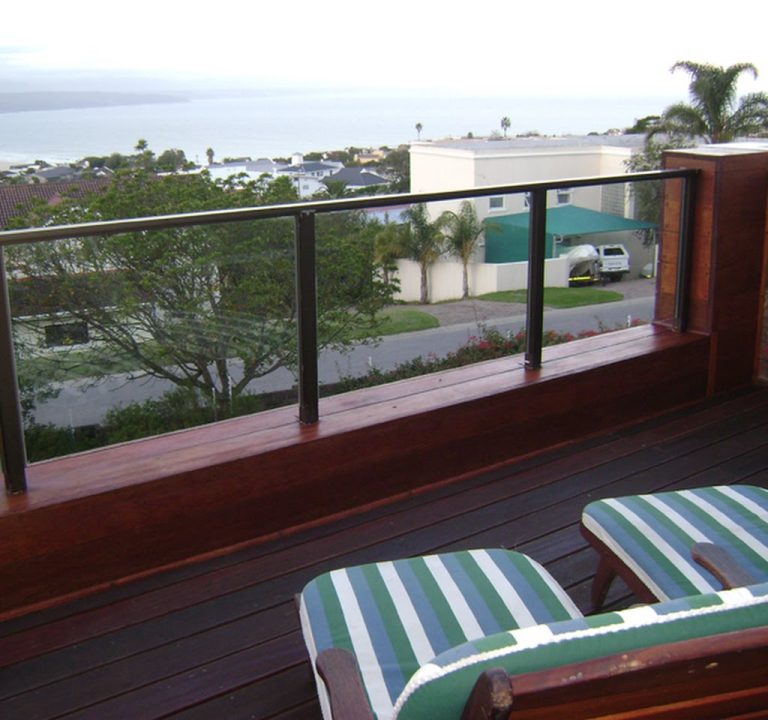
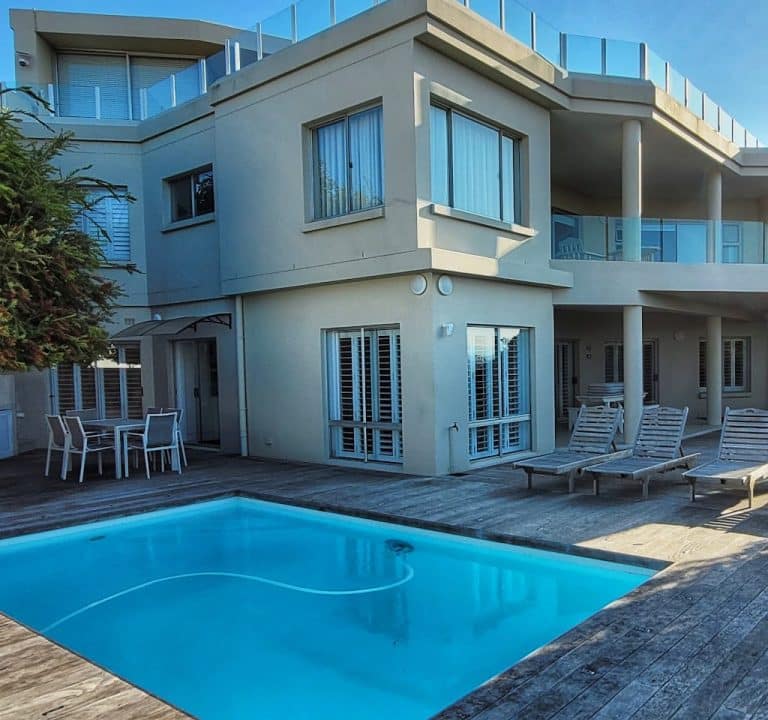
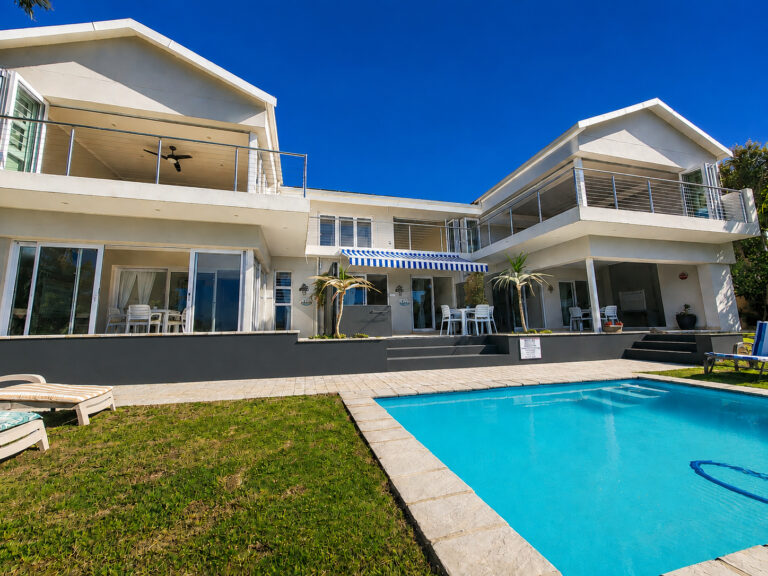
For those seeking a quintessential Plettenberg Bay stay, a well‑located guest house such as Seagulls Nest – Self Catering House can serve as a comfortable base. This type of accommodation typically combines homely guest‑house warmth with the practicality of self‑catering convenience, helping you create a personalised itinerary that suits your pace and interests. To explore current options, practical tips and planning ideas, you can visit the local tourism portal or regional accommodation listings for Plettenberg Bay and the surrounding Garden Route towns.
In short, Plettenberg Bay offers a friendly mix of comfortable stays, scenic settings and varied activities that suit families, couples and solo travellers. By choosing the right area, confirming essential amenities, and planning around the rhythms of the coast and hinterland, you can craft a memorable visit that blends rest, exploration and good food in a stunning part of the Western Cape. For more inspiration and practical planning, see the official tourism resources and sample itineraries online.