Plettenberg Bay: accommodation, attractions and planning your stay
Plettenberg Bay, on the Western Cape’s Garden Route, combines coastal scenery with a relaxed town vibe. When planning a stay here, it helps to think in terms of location, lodging style and practical needs. The town offers a range of options from boutique guesthouses and family-friendly lodges to self-catering apartments and indoor lodging such as Raven Place, which can suit different itineraries and group sizes. A good approach is to align your choice with how you intend to explore the area—whether you want to be within easy reach of the beach, near the main village centre, or tucked away in a quiet neighbourhood with views of the surrounding hills.
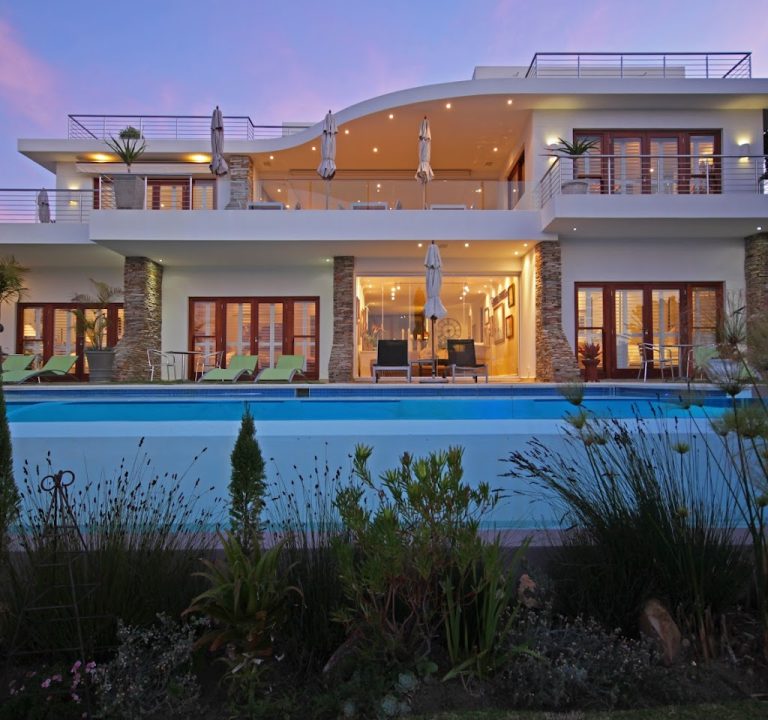
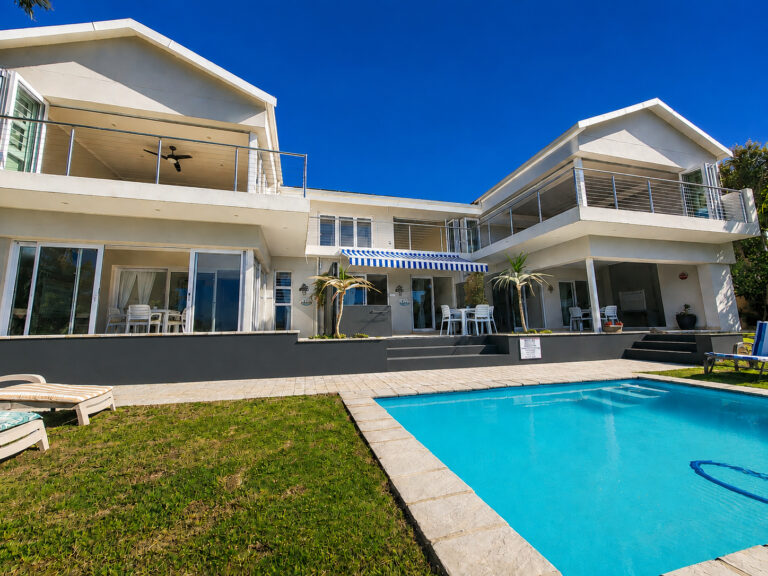
Areas to consider include the beaches and Blue Flag sands that characterise Plettenberg Bay’s coastline. The central strip provides convenient access to eateries, shops and coastal walks, while the Robberg Peninsula and surrounding valleys offer quieter lanes, scenic viewpoints and nature trails. If you’re travelling with children or prefer a slower pace, a lodge or guesthouse a short drive from the coast can still offer easy beach access while providing more space and sometimes on-site facilities such as pools or gardens. For those who enjoy modern conveniences with a bit more space, self-contained apartments or well-equipped apartments can be a practical choice, allowing you to prepare meals and come and go on your own schedule.
What to look for when booking includes a clear sense of layout and facilities. Check the number of bedrooms or beds, whether there are security features and parking, and if the lodging is suitable for your mode of transport—many guests rely on a car to reach beaches, viewpoints and day trips. Some properties offer complimentary access to bicycles or shuttle arrangements, which can be helpful for short hops around the town. Practical comforts such as reliable Wi‑Fi, a well-equipped kitchen, air conditioning or heating, and outdoor spaces can make a big difference, especially if you plan a longer stay or travel during transitional seasons.
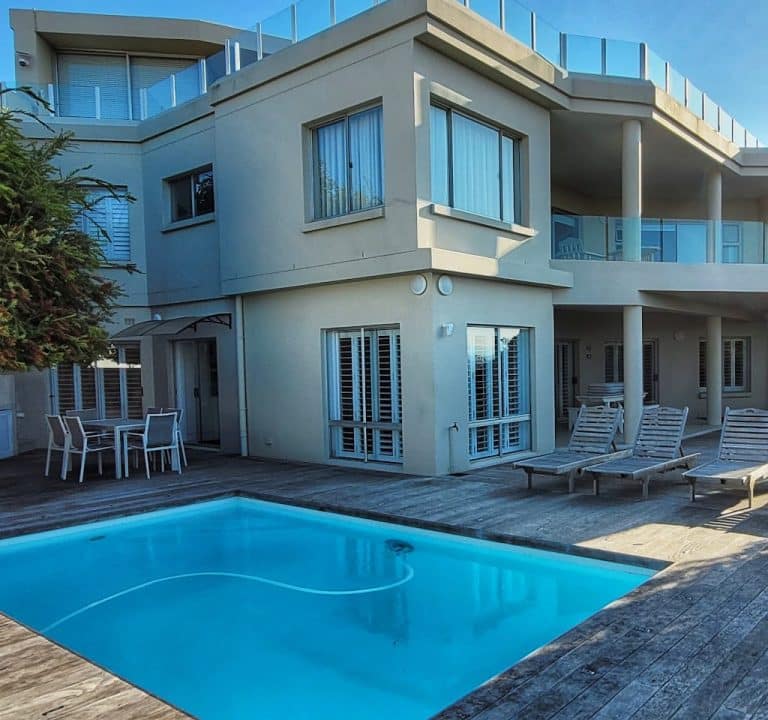
Typical amenities you may encounter include secure parking, daily housekeeping or optional cleaning services, tea and coffee facilities, and sometimes BBQ or braai areas. Family-friendly options may emphasise enclosed gardens, play spaces or equipment for younger travellers. For those seeking a more intimate stay, boutique guesthouses often provide personalised service and on-site dining options or partnerships with local eateries. Raven Place represents an indoor lodging option in the area, which can offer self-contained space with separate access and convenient layouts ideal for longer visits or groups.
Transport in Plettenberg Bay is most straightforward with a car, given the spread of beaches, viewpoints and parks. The town is connected to the wider Garden Route by road, with the N2 linking Plettenberg Bay to other coastal destinations and inland towns. If you plan to visit Robberg Nature Reserve or the surrounding wine routes, a vehicle gives you the flexibility to explore at your own pace. Some accommodations arrange airport transfers or local shuttle services, so it’s worth asking when you book. For those who prefer not to drive daily, choose a base near the town centre or the main beach where short strolls and easy access to cafés and markets are possible.
The best time to visit Plettenberg Bay tends to be in the late spring, summer and early autumn months, when the days are longer and outdoor activities feel most comfortable. Coastal winds can be brisk in certain seasons, so packing layers is sensible. For wildlife and nature watchers, the shoulder seasons offer quieter beaches, fewer crowds and reliable opportunities to glimpse dolphins, seals or birdlife along the shoreline and in the bay’s wildlife-rich reserves. If you are considering water activities, check local conditions and choose a time when the sea state is generally calmer for snorkelling, kayaking or boat trips.
Attractions and activities are varied, with natural beauty and easy family outings high on the list. Beyond the beaches, nature reserves and scenic drives, you can enjoy relaxed strolls along the coast, short hikes with panoramic views, and coastal boardwalks that are friendly to all ages. For dining, Plettenberg Bay offers a spectrum of eateries from casual cafés to more refined restaurants, many focusing on fresh seafood, regional produce and rustic South African flavours. Restaurants range from informal seaside spots to establishments that combine local ingredients with contemporary cooking styles. When planning meals, you’ll find a mix of self-catering options in self-contained suites and guesthouses as well as convenient dining within easy reach of most lodgings.
Practical planning tips to keep in mind:
- Book in advance for peak seasons and long weekends, especially if you need a specific room configuration or a particular area of town.
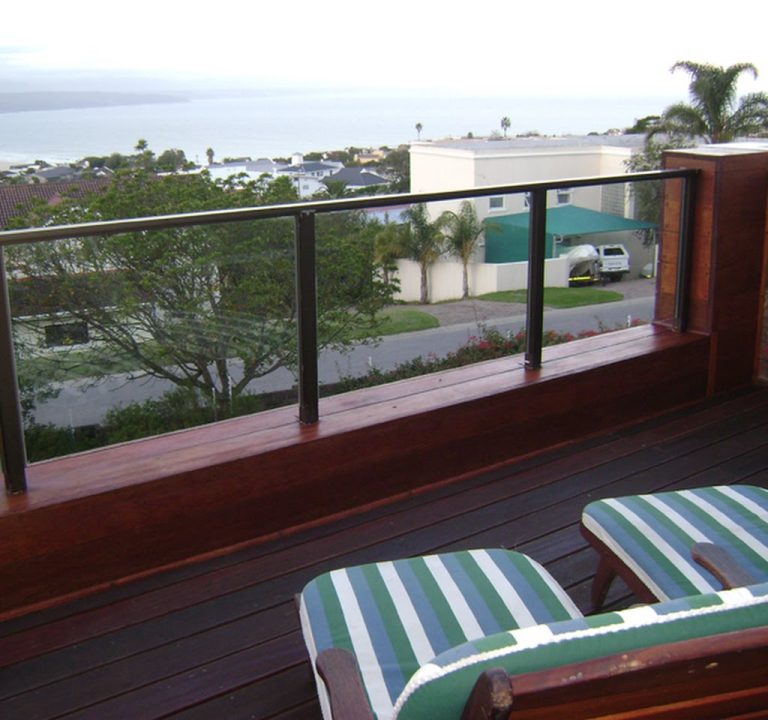
- Consider the orientation of your accommodation (sea views, garden privacy, or central access) to match your daily plans.
- Check for on-site parking, security features and pet policies if you’re travelling with animals.
- Ask about nearby medical facilities, supermarkets, and the closest petrol station to avoid unnecessary detours.
- Look for properties that offer flexible check-in times or self-check-in options in case travel plans shift.
With its forgiving climate, graceful beaches and a relaxed pace, Plettenberg Bay makes for a memorable stay if you plan thoughtfully. Whether you choose a boutique stay in the heart of town, a cliff-edge retreat with sweeping sea views, or a family-friendly lodge a few minutes’ drive from the shore, you’ll find comfortable foundations for exploring the region’s landscapes, dining scenes and outdoor experiences. For further inspiration, consult local tourism resources and browse accommodation websites that highlight the Garden Route’s distinctive character and the pleasures of a well-planned Plettenberg Bay visit.