Dolphin Coast, KwaZulu-Natal: Accommodation, Attractions and Practical Tips for a Peak Coastal Stay
The Dolphin Coast offers a relaxed yet vibrant base for visitors exploring KwaZulu-Natal’s north coast. With wide, sandy beaches, coves sheltered by rocky outcrops and a string of charming towns, this stretch of coastline lends itself to both restful getaways and active adventures. When planning a stay, consider choosing an area that matches your pace—whether you want a private beachside cottage, a family-friendly guesthouse, or a more contemporary hotel near the main hubs of activity.
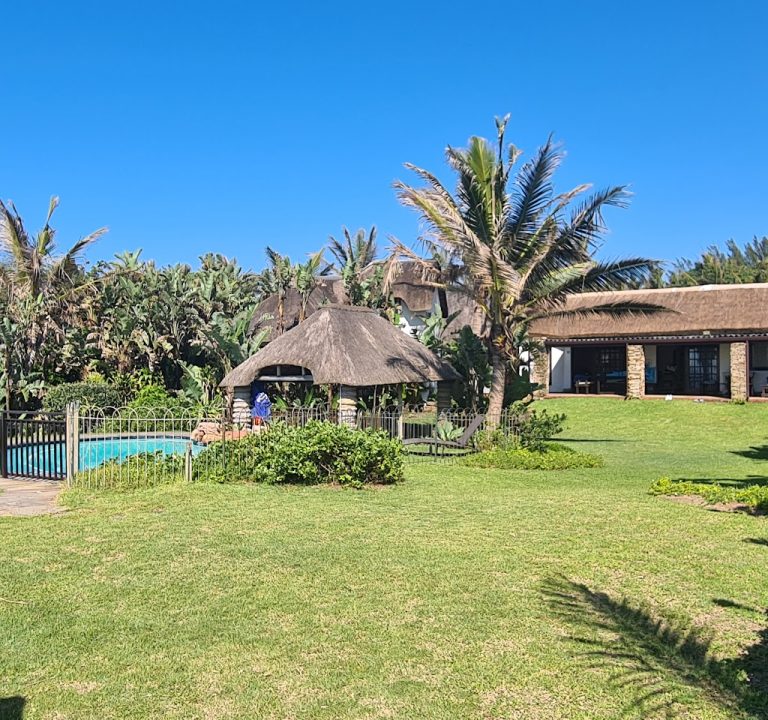
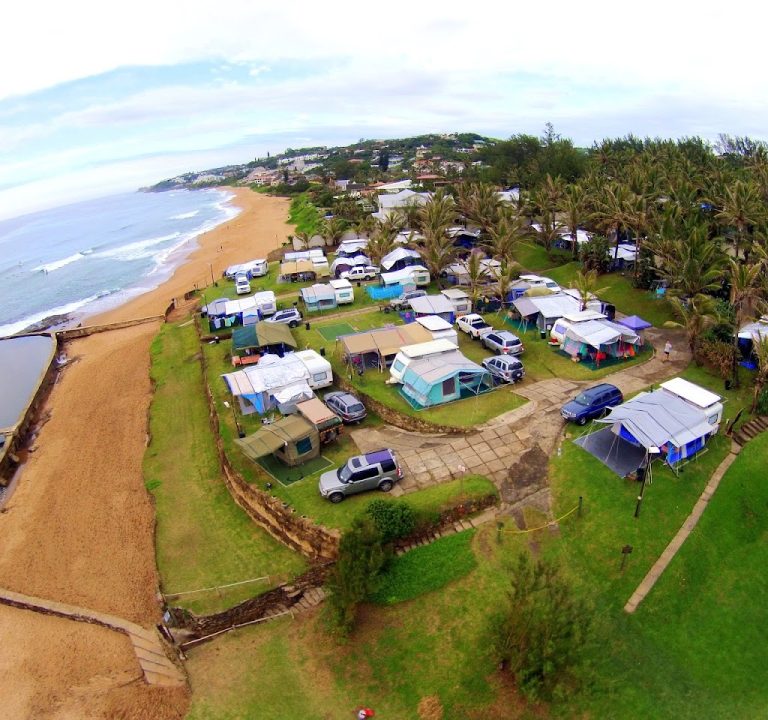
Where to stay on the Dolphin Coast often boils down to location and access. Ballito is a popular choice for first‑time visitors because of its family‑friendly beaches, promenade walks, and a good mix of dining and shopping options. Salt Rock and Shaka’s Rock offer a quieter, more relaxed atmosphere with coves and rock pools ideal for afternoon explorations. For a more rural or secluded feel, inland lodges and guesthouses provide convenient access to nature trails and inland attractions while remaining within a short drive of the coast. If you prefer a self‑catering option, many cottages and holiday homes along the Dolphin Coast come with fully equipped kitchens, private verandas and often direct access to beaches or tidal pools. A notable example is Sea Cottages, a cottage-style accommodation that can be explored further on its dedicated website at http://www.seacottages.co.za/.
When booking, look for several practical amenities that will shape your stay. A reliable home base should offer secure parking, clear access directions, and straightforward check‑in procedures. Fibre or robust mobile data connectivity can be a real advantage for planning day trips, sharing photos, or streaming after a day at the beach. A well‑equipped kitchen or kitchenette is invaluable for families or longer stays, while air conditioning or fans will help you cope with the coastal heat in warmer months. If you prefer resort conveniences, check whether the property provides swimming pools (indoor or outdoor), laundry facilities, and on‑site or nearby dining options.
Transport on the Dolphin Coast is best managed with a car. The region is spread out, and while some towns have walkable precincts near beaches and parks, a vehicle makes it easier to explore the broader coast and nearby inland attractions. King Shaka International Airport, near Durban, provides convenient access for international and domestic travellers, with rental car desks commonly available within the terminal. Once you’re settled, consider short day trips to nearby villages or nature reserves, and plan for coastal drives that reveal panoramic views, tide pools and sheltered coves along the shoreline.
The best time to visit the Dolphin Coast is generally all year round, but each season has its own appeal. Summer (December to February) brings lively beaches, warm water and longer daylight hours, ideal for swimming and water sports. Autumn (March to May) offers milder temperatures and quieter beaches, a nice window for relaxed coastal walks and sea air without peak crowds. Winter (June to August) is cool but often sunny, with comfortable days for coastal hikes and potential whale or dolphin sightings offshore. Spring (September to November) sees renewed greenery and pleasant beach conditions. Pack for variable weather—sun protection for hot days, light layers for cooler evenings, and suitable footwear for beach or rocky terrain.
In terms of activities, the Dolphin Coast caters to a broad audience. Families can enjoy safe beaches, tidal pools and playgrounds, while adventure seekers may try stand‑up paddleboarding, surfing tuition, or boat trips to view marine life from the sea. Inland, you can explore nature reserves, olive groves, and scenic farms offering tastings and rustic dining. For those who enjoy culture and flavour, many towns host markets, seaside cafés and casual eateries where you can sample local produce without committing to formal dining rooms. There are also longer circular walks and coastal paths that reveal dramatic cliff lines, mangrove pockets and birdlife along the shoreline.
When planning meals and dining out, you’ll find a spectrum of options—from casual beachside cafés to more refined restaurants in nearby towns. Booking ahead is wise during peak season, especially on weekends and holidays when local favourites can fill quickly. If you’re staying in a self‑catering property, it’s convenient to pick up fresh seafood, fruit, and bakery items at local markets or retailers and prepare simple, delicious meals in your accommodation.
Practical tips to keep in mind:
- Check tide times if you intend to explore rock pools or coastal coves during low tides.
- Ask hosts or guesthouse managers about the best beaches for families, surfing, or snorkelling, as conditions vary by location and season.
- Bring sun protection, hats and light rain gear; coastal weather can change quickly.
- Respect wildlife and coastal habitats, particularly in protected nature areas and near tidal pools.
- Carry a map or trusted digital navigation, as some smaller roads may be unmarked or limited in signage.
For ideas on where to base your stay and how to tailor your trip, visit reputable accommodation sites and the official tourism pages for the Dolphin Coast and KwaZulu‑Natal coast. A stay along this stretch blends beach time, scenic drives, accessible leisure activities and the chance to experience warm KZN hospitality at a comfortable pace.