Accommodation and Attractions on the Dolphin Coast: A Practical Guide for Visitors
The Dolphin Coast, along KwaZulu-Natal’s north coast, offers a relaxed beachside experience with warm Indian Ocean waters, golden sands and a laid‑back ambience. The area spans several neighbourhoods—from busy resort hubs to quieter coastal pockets—each with its own character. Whether you’re seeking family‑friendly stays, romantic getaways, or easy access to nature and outdoor activities, you’ll find a range of accommodation options that cater to different budgets and tastes.
When planning a stay, think about accessibility and convenience. Key centres such as Ballito, Salt Rock, and neighbouring towns provide a good mix of lodging styles, from boutique guesthouses and self‑catering apartments to caravan parks and mid‑range hotels. Proximity to beaches, shops, restaurants and medical facilities are practical factors to weigh, especially if travelling with children or elderly travellers. For a more immersive break, consider staying in a quieter neighbourhood a short drive from the main beaches to enjoy calmer mornings and evenings.
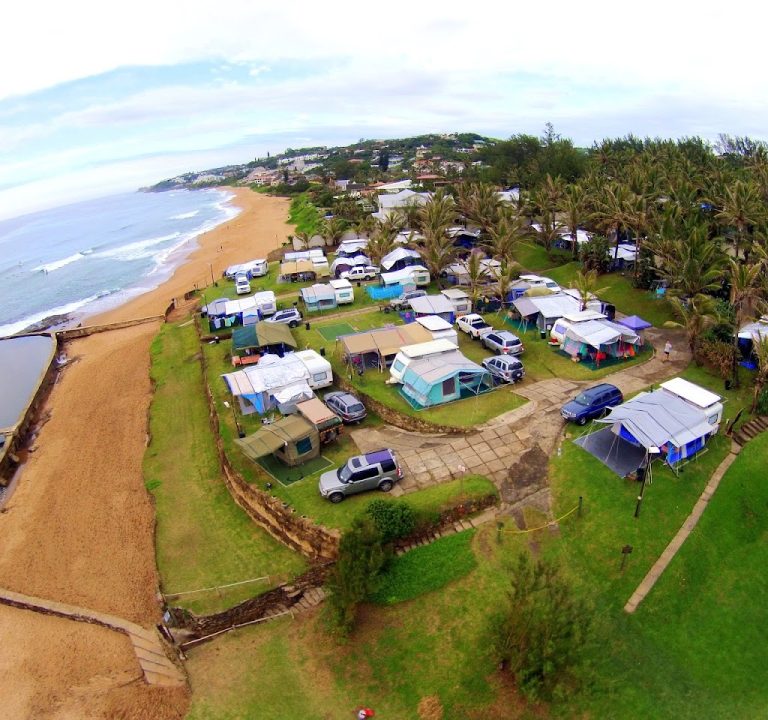
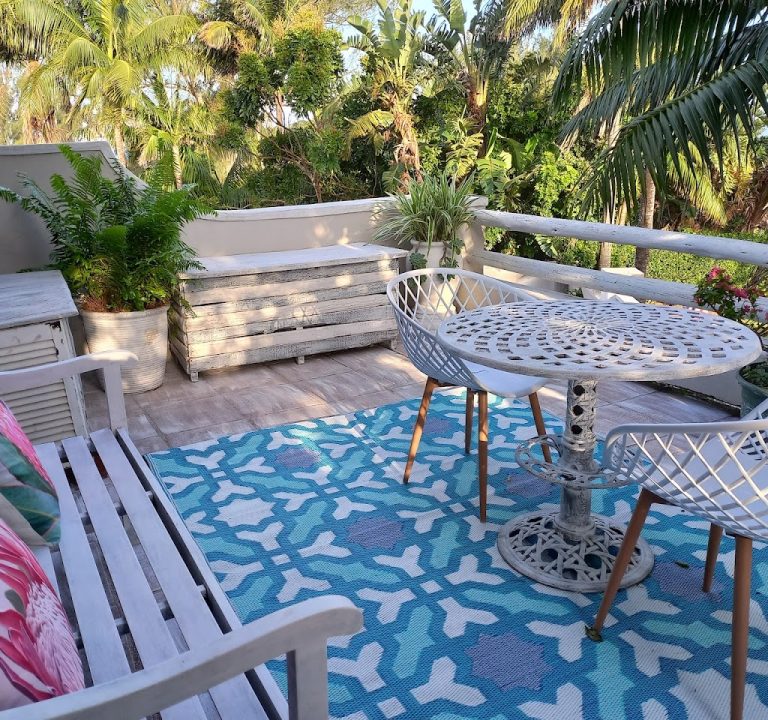
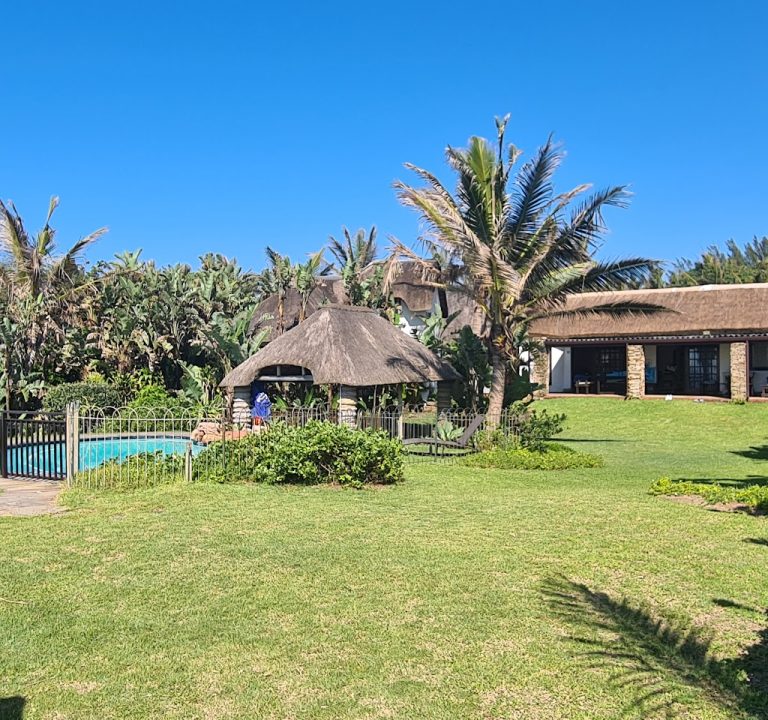
Accommodation options on the Dolphin Coast run from self‑catering units and lodges to guesthouses and caravan parks. If you’re travelling with a larger group or family, a holiday apartment or a small private lodge can offer the best value and space. Caravan parks, such as the Salt Rock Beach complex, typically provide convenient facilities, communal spaces and easy access to coastal paths. Look for features such as secure parking, outdoor seating, barbecue areas, and reliable housekeeping or on‑site maintenance when booking.
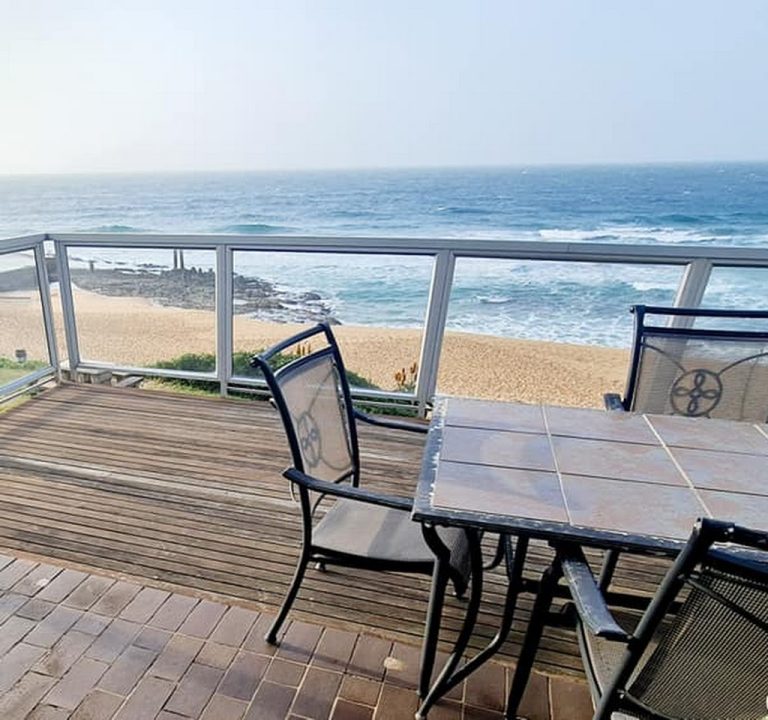
Typical amenities to expect include free Wi‑Fi, air conditioning or fans, tea and coffee facilities, kitchen or kitchenette access, and private bathrooms. Many properties also offer entertainment options for families—swimming pools, kids’ clubs, and outdoor play areas are common. If you’re planning to work remotely during a stay, check that desks or workspaces are available and that the Wi‑Fi is robust enough for video calls. For coastal holidays, a view or balcony, beach gear storage, and easy beach access are valued bonuses.
Transport and getting around are practical considerations. The Dolphin Coast is pedestrian‑friendly in key tourist zones, but a car is often the most convenient way to explore. Car rental is readily available at regional hubs, and some lodging providers offer shuttle services or can arrange local tours. If you plan day trips further afield, a flexible vehicle will ensure you can explore the coastline and hinterland at your own pace. Coastal roads can be busy during holiday periods, so plan arrival times and parking in advance where possible.
The best time to visit generally centres on the coastal climate. Summer months bring warm seas and lively beaches, with breezier evenings ideal for strolling along the shore. Winter, while cooler, still affords mild days and is arguably quieter, which can suit travellers seeking a more relaxed pace. Sea swimming is typically year‑round, though water temperatures vary across seasons. For outdoor activities such as hiking, mountain biking, or wildlife viewing in nearby reserves, spring and autumn offer pleasant temperatures with fewer crowds.
Practical planning tips help ensure a smoother stay. Book accommodation with free cancellation where possible, especially if your plans may shift. Check whether your choice provides flexibility for check‑in and check‑out times, and confirm whether on‑site facilities—such as a shop, restaurant, or laundry—will be open during your stay. If you’re visiting with children, inquire about child‑friendly policies and safety features on beaches and in pools. Do not underestimate the value of local information; many hosts and lodgings can point you toward hidden beaches, scenic circular walks, and lesser‑visited dining spots that offer excellent value.
Beyond the beaches, the Dolphin Coast offers a variety of attractions and experiences in general terms. Family‑friendly days can include river or estuary outings, nature trails, and opportunities to observe coastal birdlife. Coastal towns host markets, restaurant precincts and casual cafes where you can sample seafood and modern South African cuisine in relaxed settings. Other visits might involve coastal viewpoints, protected coves, and easy hikes with interpretive signs about local ecosystems. For those seeking a bit more culture, day trips to nearby towns can reveal regional crafts, galleries and historical sites.
Sample planning ideas:
- Base yourself in a central Ballito or Salt Rock stay to enjoy beaches, shops and dining with easy access to longer coastal drives.
- Choose a self‑catering option for flexibility if you’re travelling with children or a larger group.
- Allocate one day for a relaxed beach walk, another for a nature trail, and a third for a family‑friendly outing or a swim at a sheltered cove.
Notable lodging options include boutique guesthouses, lodges with riverside or coastal views, and caravan parks that welcome travellers with a mix of camping and caravan facilities. An example of a convenient coastal base is the Salt Rock Beach caravan park, which offers straightforward access to the shoreline and practical amenities for a low‑key coastal stay. For more information, visit the Salt Rock Beach caravan park page at their official site: Salt Rock Beach Caravan Park.
In summary, the Dolphin Coast suits travellers who value beach access, scenic drives, and a relaxed, family‑friendly atmosphere. By choosing accommodation with thoughtful amenities, planning for flexible transport, and balancing days between beach time and light excursions, you can enjoy a satisfying stay in this stretch of KwaZulu‑Natal’s coastline.