St Lucia, KwaZulu-Natal: accommodation, attractions and planning a relaxed stay
Nestled on the edge of iSimangaliso Wetland Park, St Lucia offers a relaxed atmosphere, abundant wildlife, and easy access to beaches and rivers. When planning a stay in this part of KwaZulu-Natal, travellers typically balance comfortable lodges, guesthouses and hotels with the chances to explore natural highlights, enjoy family-friendly dining, and embark on low-key adventures suitable for all ages. A well-rounded plan often centres on choosing the right area to stay, understanding transport options, and knowing the best time to visit to match your interests.
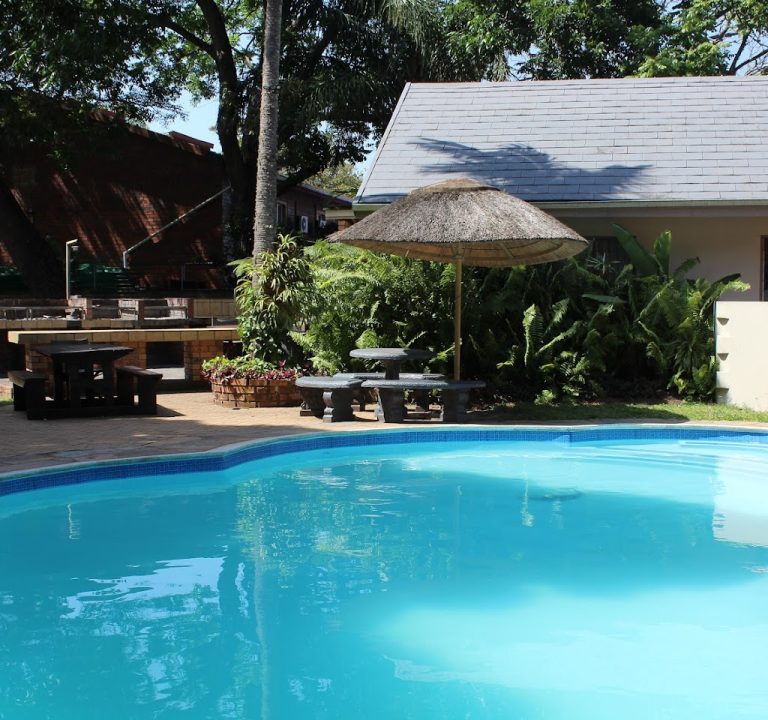
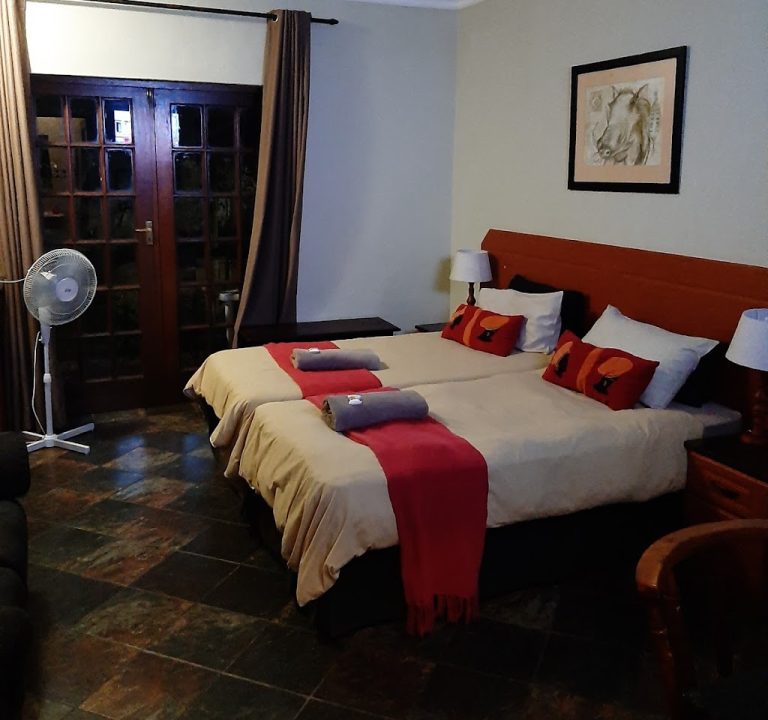
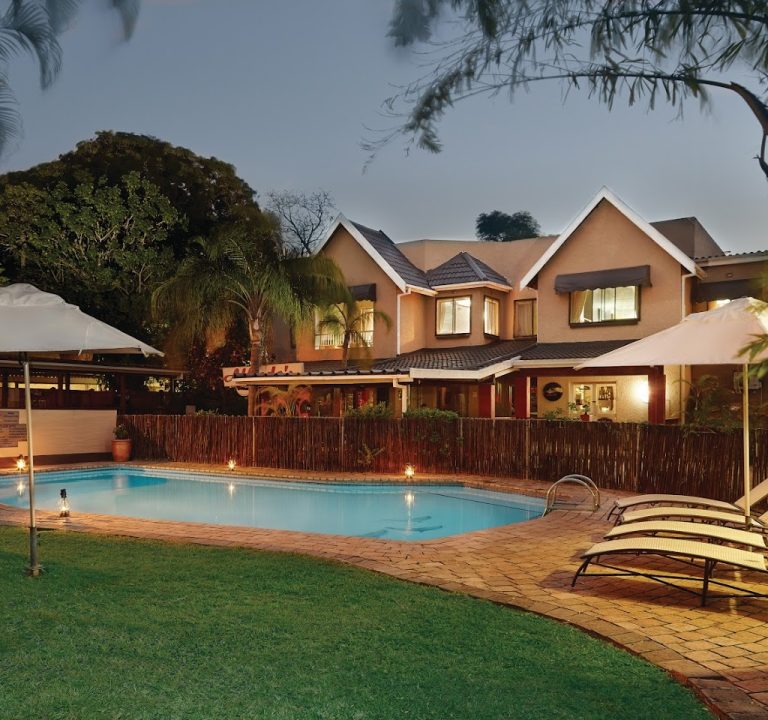
Accommodation options in St Lucia range from central townhouses and boutique stays to larger hotels and riverside lodges. Staying near the town centre keeps you within easy reach of shops, information centres and eateries, while river and nature-facing properties often offer serene views and direct access to boat safaris, walking trails, and birdwatching. In addition to the main town, you might encounter homestays and guesthouses in nearby neighbourhoods that retain a friendly, local character. A notable example in the area is Sandy Place, a hotel-style offering with its own distinctive style and convenient access to local attractions. For prospective guests, the official listing provides a sense of the amenities and location without committing to contact details in this overview. A stay here can serve as a comfortable base for day trips and activities.
What to look for when booking accommodation in St Lucia:
- Proximity to iSimangaliso Wetland Park entrances, the estuary and boat launch points.
- On-site facilities such as parking, air conditioning, insect screens, and safe storage for wildlife excursions.
- Guest services like guided tours, breakfast options, and flexible check-in/out arrangements.
- Room configurations suitable for families or groups, with options for adjoining rooms or suites.
- Species-spotting opportunities advertised by the property, without overclaiming results or guarantees.
A typical stay in St Lucia balances comfort with easy access to nature. Expect rooms or suites that are clean and well-maintained, often with fans or air conditioning, and a décor that nods to the surrounding wetlands and coastal vibe. Many properties offer outdoor spaces for sun, breakfast on verandas, or shaded seating to unwind after a day of exploration. When budgeting, consider whether breakfast is included, if there is a kitchen or kitchenette available, and what kind of mobility needs you might have for exploring the village and park entrances.
Transport and getting around is straightforward but has its nuances. The town is walkable in parts, with a handful of roads connecting the main sights. If you plan to visit the park's northern or southern gates, a car or organised transfer tends to be the most convenient option. Some operators offer self-guided boat trips on the estuary or guided nature walks, which can be a highlight for birdwatchers and families. For travellers comfortable with public transport, taxis and rideshare services are limited in scope, so coordinating transfers through your accommodation provider is a reliable approach. If you’re flying into Durban or Richards Bay, a drive of an hour or two will bring you to the St Lucia area, with the reassurance of a familiar route and clear signage along the way.
The best time to visit St Lucia depends on what you want from your trip. Dry winter months can offer better wildlife viewing around the estuary, while the warmer summer season brings lush vegetation, bird activity and generally calmer waters for boating and river trips. Spring and autumn often strike a balance between comfortable temperatures and manageable humidity. If you’re keen on whale watching or birding, timing your stay to align with seasonal wildlife movements can enhance your experience. Always check local weather patterns and park advisories before planning longer excursions, particularly if you intend to combine a self-drive with guided safaris.
Activities and attractions to consider during a stay in St Lucia include wildlife watching on the estuary and in surrounding wetlands, boat safaris that glide through calm waterways, and guided nature walks that can reveal endemic plants and animals. Beach visits offer light relaxation and safe swimming near designated areas, while coastal trails provide opportunities for panoramic views and fresh air. For a broader sense of the region, local visitors often enjoy areas that showcase Zulu heritage, crafts, and cuisine in a relaxed, family-friendly setting. In terms of dining, many establishments in St Lucia concentrate on seafood and regional flavours, with menus designed to be approachable for guests and locals alike. Restaurants typically offer coherent options for families, couples, and groups, with emphasis on fresh, seasonal produce and friendly service.
Practical tips to help you plan a smoother stay:
- Book early during peak seasons to secure rooms with the best views and the location you prefer.
- Plan a flexible itinerary that allows time for wildlife sightings at dawn or dusk, when activity is often higher.
- Confirm inclusions such as breakfast, parking, and access to on-site facilities before arrival.
- Pack light, breathable clothing, and comfortable walking shoes for wetland walks and village strolls.
- Bring a small daypack for day trips to the park, along with a travel compass or offline maps for easy navigation.
When choosing where to base yourself, consider how you want to balance day trips with downtime. If your goal is wildlife and nature, staying near the estuary or the park entrances often reduces transfer time and maximises viewing opportunities. If you prefer evenings in a bustling village atmosphere with dining options within easy reach, a central location in St Lucia town may suit you better. Regardless of your choice, St Lucia offers a relaxed pace, easy access to wildlife experiences, and a welcoming hospitality scene that supports a comfortable and memorable stay.