Accommodation and experiences in St Lucia, KwaZulu-Natal: planning a memorable stay
St Lucia in KwaZulu-Natal is a laid‑back destination that blends wildlife, wetlands and coastal charm. Whether you are seeking a self‑catering retreat, a boutique guesthouse or a family‑friendly lodge, the area offers options designed for easy, relaxed holidays. Planning a stay here means balancing nature‑based adventures with comfortable basecamps that are well positioned for day trips and easy strolls to the village centre.
Areas to consider when booking include the town of St Lucia itself, the tranquil fringe areas along the estuary, and the more secluded encampments near the iSimangaliso Wetland Park. Staying in or near the town puts you within walking distance of supermarkets, restaurants and boat‑based excursions, while outskirts and neighbouring villages can offer a quieter, more intimate atmosphere and quicker access to the park gates. If you intend to visit specific wildlife highlights or beaches, check the direction and travel time to plan morning safaris or late‑afternoon walks without long daily commutes.
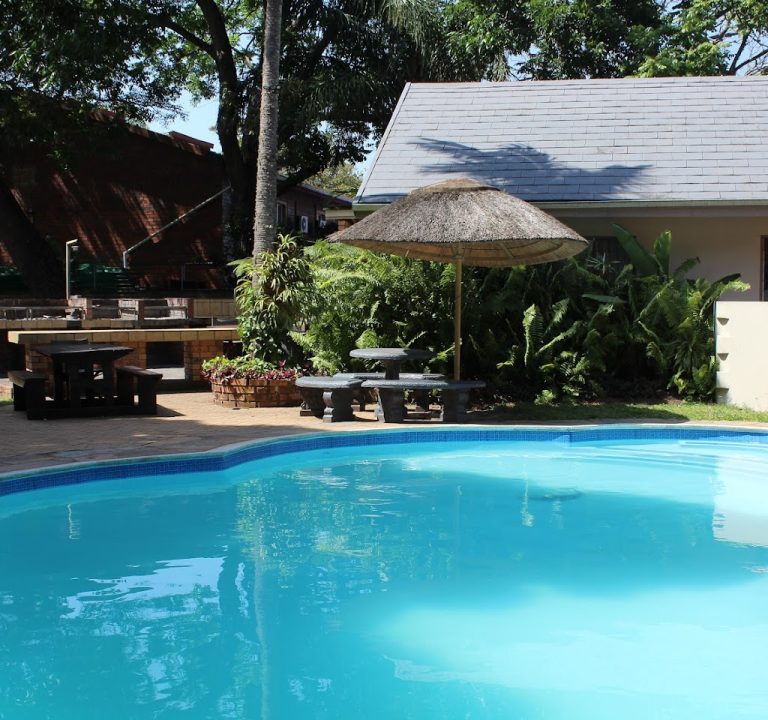
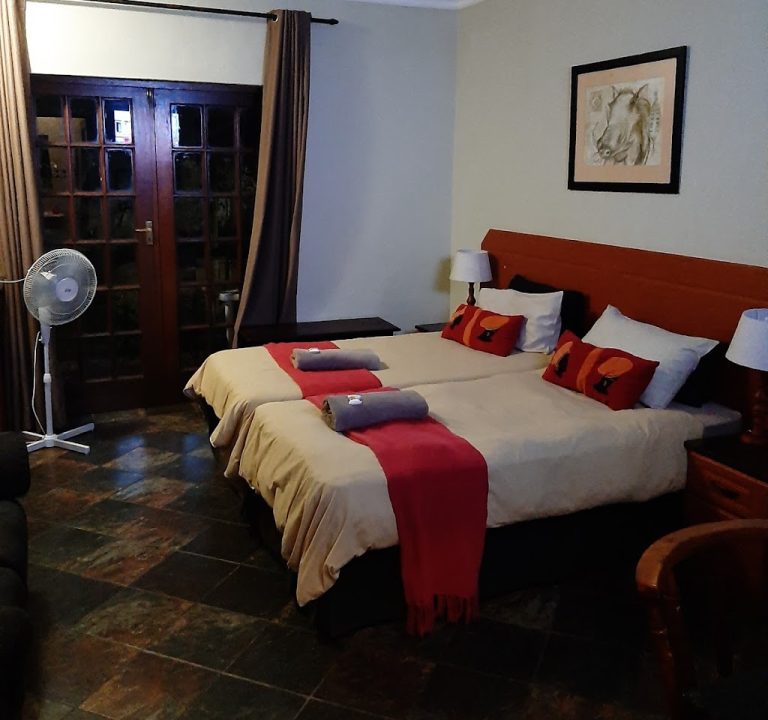
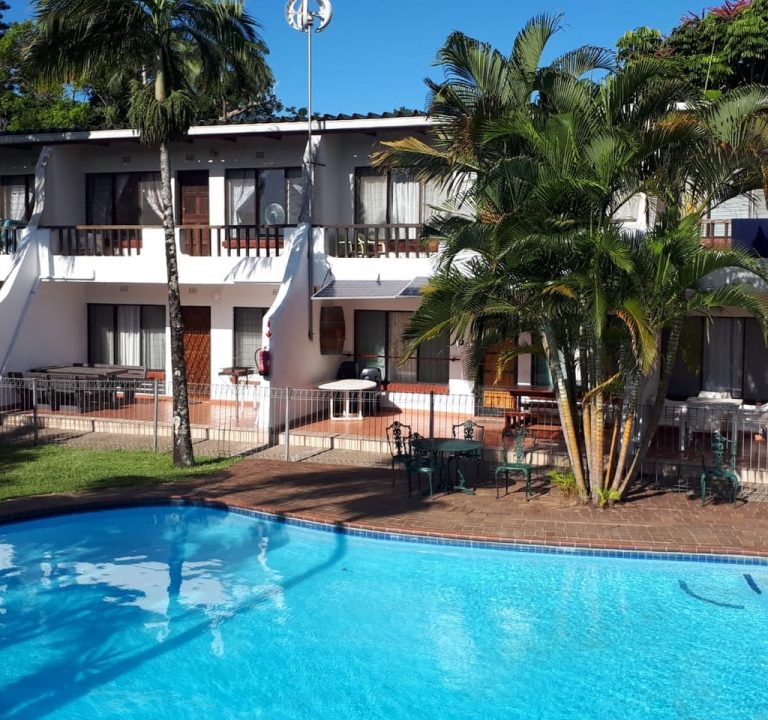
Accommodation types range from self‑catering riverside homes to guesthouses with breakfast, and self‑contained lodges that offer privacy and kitchen facilities. Self‑catering options such as iLanga Lodge provide flexibility for families or groups who want to tailor meal times and cater to specific rhythms, while guesthouses and lodges often include a shared dining area or braai, ideal for social evenings after a day exploring the wetlands or coastline. When evaluating rooms, look for essentials such as secure parking, reliable hot water, good air‑circulation, private entrances, and clear information on what the property provides for hot, humid coastal days.
Typical amenities to expect include fully equipped kitchens or kitchenettes, free‑standing wifi, fans or air conditioning, ensuite bathrooms, comfortable bed configurations, and outdoor spaces for al fresco dining. Some properties feature private balconies or verandas with estuary or garden views, while others prioritise communal lounging areas, swimming pools, or braai facilities. If you are travelling with young children or older relatives, confirm accessibility features, child‑friendly spaces, and close proximity to medical facilities or shops.
Transport to and around St Lucia is generally straightforward by car. A self‑drive holiday offers the most flexibility to visit the park gates, beaches, and surrounding villages at your own pace. The town is typically reached via the N2 highway, with regional departures from airports such as King Shaka International near Durban or Richards Bay. Once there, many guesthouses and lodges provide parking, and some offer airport shuttle arrangements or guided day trips. If you prefer not to drive, verify whether the property can assist with local transfers or car hire services, and plan a few essential routes in advance to maximise time in the reserve and on the estuary boats.
Best time to visit blends wildlife viewing with coastal weather. The cooler dry season from May to September is popular for game sightings and comfortable day trips; mornings and late afternoons are ideal for safaris and boat trips. The wetter period from October to April brings lush landscapes and a spectrum of birdlife, but it may include afternoon showers and higher humidity. Seas are generally warm enough for coastal activities most of the year, though strong currents and seasonal weather can affect swimming and snorkelling on certain beaches. The area is malaria‑free, which simplifies planning for families and first‑timers focusing on outdoor activities.
Attractions and experiences in and around St Lucia generally fall into wildlife, landscapes and coastline. The flagship draw is the nearby wetlands and reserve network, where guided game drives, boat cruises on the estuary, and birdwatching excursions are common. Nature lovers should plan a day for a guided walk or boat trip to experience the diverse ecosystems, and to learn about conservation efforts in the region. For families and casual explorers, calm strolls along palm‑lined beaches, local markets, and the village’s friendly eateries offer a relaxed contrast to the more active wildlife experiences. If you enjoy snorkelling or scenic coastal drives, you may combine visits with nearby coastal reserves and viewpoints, always bearing local tide times and park hours in mind.
Restaurant experiences in St Lucia are typically informal and approachable, with a focus on fresh seafood, local produce and international comfort dishes. Many dining options are within easy reach of accommodation clusters, offering flexible meal plans or simple, home‑style menus. When planning dinners, check in advance about opening times and whether bookings are advised, especially during peak travel periods. If you prefer to dine in, your self‑catering base can be a convenient base for evenings in, with the option to organise a braai or a relaxed kitchen meal after a day outdoors.
Practical planning tips for a smooth stay:
- Book accommodation with clear directions, easy access to the estuary, and parking facilities.
- Worry less about packing heavy gear if your base provides essentials like extra blankets, fans, and basic kitchen equipment.
- Confirm what inclusions come with your stay (daily housekeeping, toiletries, or linen changes) to avoid overlap with your own shopping list.
- Check gate opening hours for protected areas and plan morning safaris around animal activity patterns.
- Carry lightweight clothing for warm days and a light layer for cooler mornings, with sun protection and insect repellent.
- Plan a flexible itinerary to accommodate weather shifts and possible marine or reserve conditions.
For those seeking a self‑catering base with a family or group‑friendly layout, iLanga Lodge offers a practical example of accommodation that emphasises space, privacy and convenience. Visit the property’s website at ilangalodge.co.za to explore available units, localisation, and booking details.