Accommodation and Attractions in De Kelders, Western Cape: Where to Stay and What to Do
De Kelders, perched above the crashing waves along the southern coast of the Western Cape, offers a compact but richly rewarding retreat for visitors seeking dramatic sea scenery, easy access to nature reserves, and comfortable, thoughtfully fitted places to stay. The hamlet is small enough to feel intimate, yet close enough to the larger towns of Gansbaai and Stanford for a wider range of eateries, activities and services. When planning a visit, consider where you will want to unpack your bags each evening—whether you want to be right on the clifftop enjoying sea views, or a few minutes’ drive inland for a quieter, garden setting.
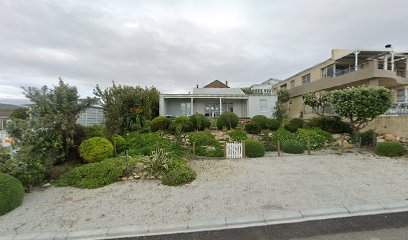
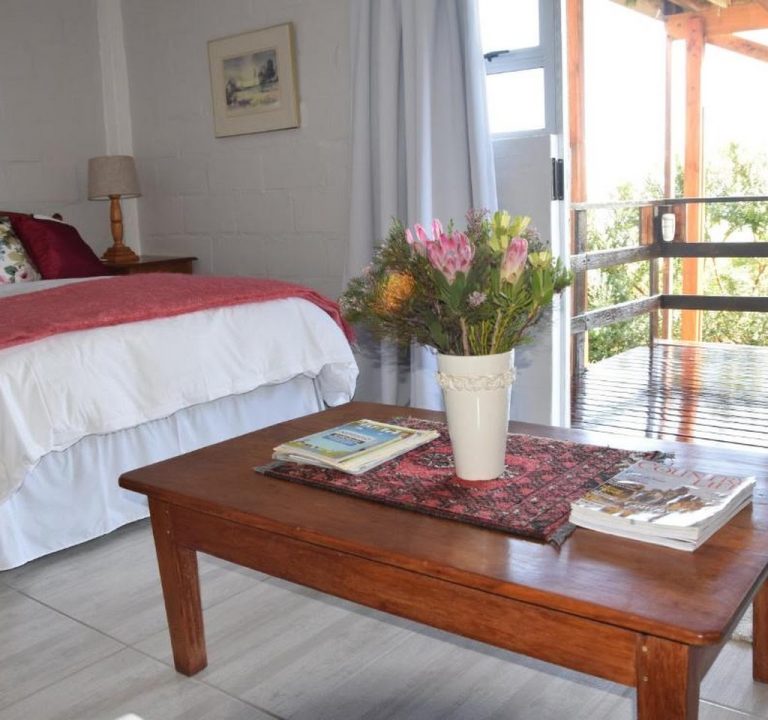
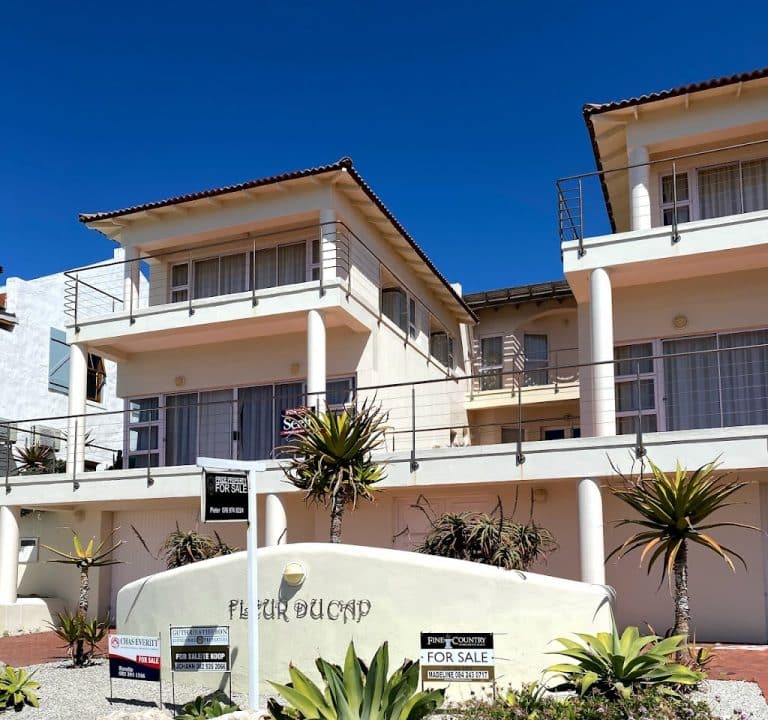
For lodging, De Kelders presents a mix of options that suit different budgets and preferences. From contemporary guesthouses with sunlit balconies to self‑catering homes and boutique stays, the character of accommodation here tends to emphasise comfort, practicality and access to the outdoors. Some properties specialise in soaking up the coastal atmosphere with large windows, timber decks and outdoor seating that invite long mornings with coffee and sea spray in the air. When choosing a place to stay, look for features that make a stay easier and more enjoyable: secure parking if you are renting a car, reliable Wi‑Fi for planning day trips or working remotely, well‑equipped kitchens or kitchenettes, and flexible check‑in arrangements. If you’re seeking a dedicated booking experience, a handful of properties offer concierge-style tips for whale watching, seal-spotting boat trips, or scenic hikes along the coastal footpaths.
Within De Kelders, accommodation tends to be organised into a few practical clusters. You might find options directly along the bluff with expansive terraces ideal for sunset viewing, or more sheltered settings set back a short distance from the coastline. Consider your priorities: front‑row sea views and easy beach access can mean stepping outside to the sound of waves, while inland or lower‑traffic locations may offer darker skies for stargazing and a gentler start to the day. Whichever you choose, a common thread is the proximity to nature without sacrificing modern conveniences: en‑suite bathrooms, comfortable living spaces, and sometimes even fireplaces for cooler evenings. If you’re travelling with family or a small group, look for properties with multiple bedrooms, separate living areas, and outdoor spaces that can accommodate gathering time or quiet moments alike.
Transport in and around De Kelders is straightforward if you plan to drive. The area is best accessed by a car from Cape Town or other regional hubs, and most attractions lie a short drive away, including Gansbaai’s harbour, nature reserves, and viewpoints along the coastline. If you’re flying in, consider arranging a transfer from the nearest international gateway; not every local property includes a full taxi service in its standard offering, so it pays to check your arrival and departure logistics in advance. Within the village, walking and short drives are feasible for most amenities, but many activities—such as boat trips for close‑up wildlife viewing or guided coastal walks—do require transport arrangements and sensible planning for weather windows.
Best time to visit De Kelders generally follows the Western Cape’s seasonal rhythms. The coastal climate brings warm to cool weather with refreshing sea breezes, and winter can be a quieter, more atmospheric time to linger in the guesthouses with a good book and a view. The autumn and spring shoulder seasons offer a balance of mild weather and fewer crowds, which can be ideal for outdoor activities and relaxed walks along the cliffs. Summer days can be lively, with longer daylight hours for beach time and outdoor dining nearby, but be prepared for higher visitor numbers in peak periods. For wildlife enthusiasts, whale watching around the coast has its seasonal peaks, with specialised viewpoints and excursions often operating during the relevant months.
- When planning your stay, book early for popular periods and consider flexible terms in case weather or sea conditions affect activities.
- Pack layers and practical footwear for walks along rugged coastlines, as well as a compact jacket for windy evenings.
- If you plan boat trips or guided walks, confirm meeting points and what is included (gear, refreshments, or interpretation) to avoid surprises.
- Have a plan for dining: De Kelders hosts a few intimate eateries and informal dining spots; most accommodations also offer kitchen facilities or guest‑barbecue areas for self‑catering.
- Bring a travel connector if you rely on Wi‑Fi for work or streaming; some properties provide in‑room boosters or communal workspaces.
Nearby attractions tend to emphasise the outdoors and scenery: dramatic sea cliffs, seal viewing from dedicated platforms, and nature trails that reveal the region’s birdlife and marine habitats. Visitors commonly enjoy coastal walks that reveal sweeping vistas, as well as boat trips or guided safaris that can bring close encounters with marine life. For dining, you’ll find a range of casual to more refined options nearby, offering fresh seafood and local influences without large, formal pretensions. In planning your itinerary, balance restful days in your chosen lodging with a couple of activity‑based mornings or afternoons, leaving evenings free to unwind on a terrace or in a cosy lounge with a view of the ocean.
To make the most of your stay, consider linking your accommodation choice with a couple of well‑timed experiences and local eateries. Check the property’s guest information for seasonally recommended activities and potential partnerships with local operators. For more inspiration and practical planning, you can visit general regional tourism pages or the website of your chosen accommodation. Whichever way you plan your days, De Kelders offers a tranquil base from which to explore the dramatic coastline, enjoy wildlife encounters, and savour unhurried time by the sea.