De Kelders: Accommodation and Experiences in the Western Cape
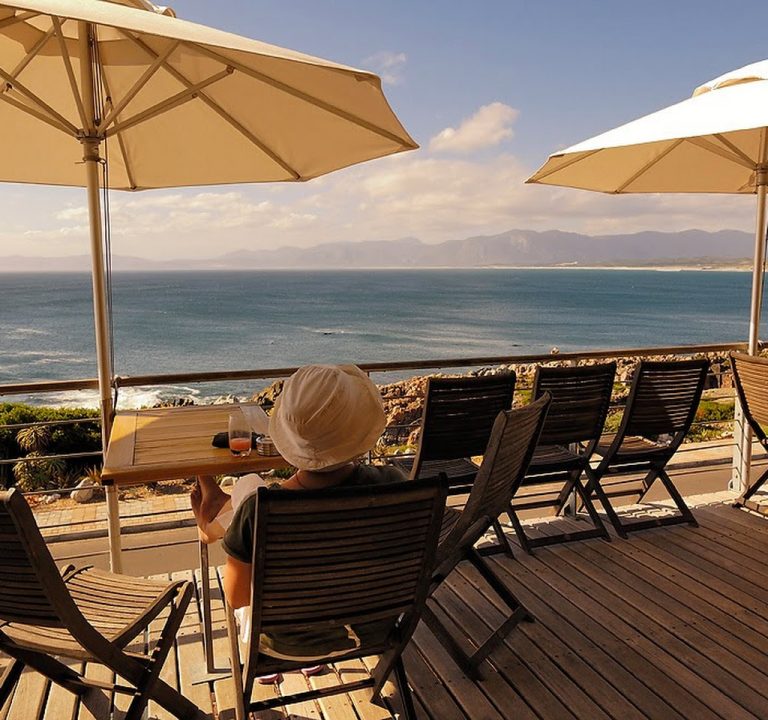
De Kelders, perched along the south‑eastern edge of the Overberg in the Western Cape, offers a relaxed base for travellers seeking a blend of coastal scenery, wildlife encounters and easy access to the wider Kleinrivier area. The village is known for its dramatic sea views, proximity to the protected coastal biodiversity and a range of holiday apartments, guesthouses and small boutique stays. When planning a stay here, consider how your accommodation will fit with your wish to explore the surroundings by day and unwind with a scenic backdrop by night.
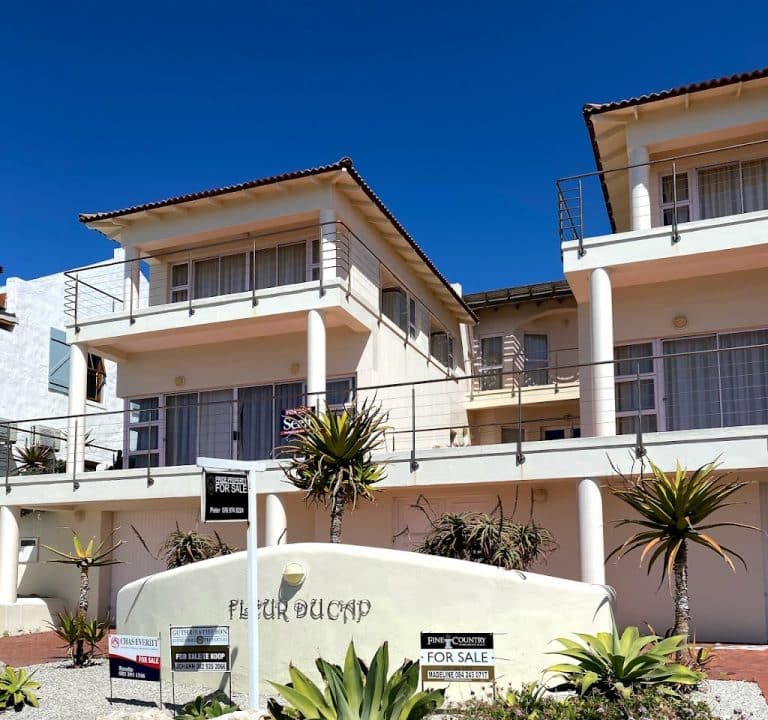
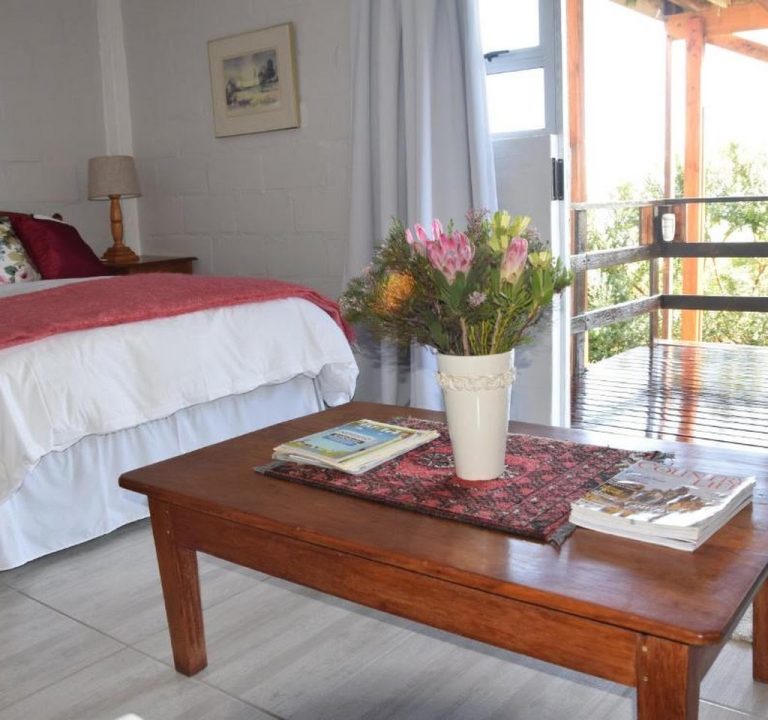
Accommodation options in De Kelders range from holiday apartment rentals to cosy guesthouses built to maximise the ocean views. One popular choice for groups or families is a self‑catering unit that provides a kitchen or kitchenette, private balconies or verandas, and dedicated parking. These layouts are ideal for a relaxed schedule, whether you plan long beach walks, early morning whale‑watching (in season) or sunset moments over the sea. If you’re seeking a more intimate stay, look for guesthouses or small lodges that offer en‑suite rooms, communal lounges and, where possible, a breakfast service. For longer breaks, a holiday apartment such as Ouma Se See Huisie can serve as a home base with flexible stay lengths and self‑contained facilities.
Areas to consider when booking include: proximity to the coast, with many properties offering direct access to clifftop trails or a short stroll down to the shoreline; the central village area, convenient for eateries and small shops; and a quieter residential enclave higher up the hills, which may provide more expansive views and additional privacy. If you are visiting for whale watching, choose a property with a vantage point that offers sea vistas during the day and a peaceful interior at night. For families or groups, a unit with multiple bedrooms, a well‑equipped kitchen and easy access to a shared outdoor space can make a stay more comfortable and social.
Typical amenities to look for include reliable Wi‑Fi, well‑equipped kitchens, secure parking, and easy access to outdoor spaces such as balconies, decks or small gardens. Many properties in De Kelders feature outdoor braai (barbecue) facilities, which can be a charming way to dine al fresco after a day’s adventures. Heating or cooling options are worth checking, given the region’s seasonal shifts, and a washing machine or laundry facilities can be convenient for longer stays. A host or on‑site manager who can offer local tips about beaches, short walks and practicalities is a valuable asset, especially for first‑time visitors.
Transport in De Kelders is mostly self‑driven, as the village sits along scenic routes that connect to the wider Cape Fold and Overberg region. A hire car or a private transfer is typically the easiest way to reach Ouma Se See Huisie and other properties, with parking often provided on‑site. Public transport options are limited in the immediate area, so planning in advance helps you maximise daylight hours for exploration. If you plan day trips, consider shore‑side routes to nearby towns or nature reserves, recognising that some attractions require a fair amount of walking on uneven trails. Bring comfortable footwear, a light rain layer for Cape weather, and a sunhat for the outdoors.
Best time to visit De Kelders depends on your aims. The spring and autumn shoulder seasons can offer mild weather, quieter streets, and excellent conditions for coastal walks. Winter may bring stronger winds and cooler seas, suitable for rugged day hikes and cosy evenings in with a hearty meal. Summer tends to be warmer and busier, with marine activity visible from the cliffs and beaches. If whale watching is a priority, plan your stay to align with the seasonal peak, typically from late winter to spring, when visitors commonly observe southern right whales from vantage points along the coast.
When planning activities, balance nature moments with other experiences. De Kelders is a gateway to rugged coastal scenery, nature reserves and viewpoints that reward patient, slow exploration. You may choose guided walks or self‑guided coastal trails, and you’ll likely come across opportunities to learn about local marine life from interpretive panels or visitor centres nearby. Dining within reach typically features light, seafood‑leaning menus and contemporary dishes inspired by coastal producers. For evenings out, aim to sample relaxed, informal eateries offering regional fare and friendly service, rather than high‑season fine dining unrealistic for a coastally driven itinerary.
- Check the distance from your accommodation to the coast and to the village hub for ease of meals and small‑store visits.
- Look for properties with private or easy access to outdoor spaces, essential for enjoying sunrises or sunset views.
- Ask about minimum stay requirements, cleaning schedules, and how access to the unit works (self check‑in vs. host arrival).
- Verify parking arrangements and whether the property is pet‑friendly if that matters to your plans.
- Consider a stay that provides local guidance, such as brochures or a host who can suggest scenic walks and safe viewpoints.
For further ideas on planning your trip, the Western Cape’s official tourism pages offer practical information on routes, safety tips and seasonal highlights. While not naming specific venues here, you will find recommendations for experiences, scenic drives and dining options that align with a relaxed, nature‑driven stay in De Kelders. When you settle on accommodation—whether it’s a boutique bungalow or a modern apartment—you’ll be well positioned to enjoy the stunning coastline, easy access to nature and a peaceful base from which to explore the Overberg region.