Cape Town: Where to Stay, Eat and Explore
South Africa’s Cape Town blends dramatic scenery with a warm, cosmopolitan spirit. From beachfront stays to boutique guesthouses, the city offers a wide range of accommodation that suits every style and budget. When planning a visit, it helps to think about which neighbourhoods align with your interests—mountain views, ocean panoramas, historic charm, or easy access to top attractions and dining.
Popular areas to consider include the Atlantic Seaboard for dramatic coastal scenery and fresh seafood, the City Bowl for easy access to museums, markets and nightlife, and the Constantia Valley for leafy tranquillity alongside world‑class wine estates. If you prefer a true neighbourhood vibe, Constantia’s green valleys, the bohemian surrounds of Woodstock, or the family‑friendly vibe of Green Point offer distinct flavours of the city. For a practical base with good transport links, consider a stay near the V&A Waterfront or in a central area with easy access to the MyCiTi bus network and rideshare options.
When choosing accommodation, look for a few practical features that can enhance your stay. A comfortable bed and good ventilation are essential after days spent outdoors. If you plan to rotate between days of exploring and evenings out, a quiet room, reliable Wi‑Fi, and adequate heating or cooling can make a big difference. For families or groups, consider a property with separate living spaces, a kitchen or kitchenette, and parking facilities. Some guests appreciate added touches such as a small private terrace, a garden, or an on‑site pool after a day of sightseeing.
Typical amenities at well‑located Cape Town properties often include private or communal lounges, well‑equipped kitchens or kitchenettes, housekeeping options, and guest information on local routes and experiences. Some high‑end stays may offer concierge services, guided tours, or breakfast options that showcase regional flavours. It is worth checking access to parking, airport transfer arrangements, and proximity to popular routes such as the Atlantic coastline or Table Mountain Cableway, depending on your plans.
The season in Cape Town determines crowds and prices. Peak travel months run from December to February, when days are long and temperatures are warm, but popular sites can be busy. Winter (June to August) brings cooler weather and occasional rain, yet offers quieter streets and excellent value in many lodgings. Shoulder seasons in spring and autumn can provide a balance of comfortable weather and fewer crowds. If you’re keen on outdoor activities like hiking, Cape Town’s climate is generally pleasant in spring and autumn, with clear skies and mild temperatures.
Planning a practical itinerary means pairing your stay with accessible attractions. A few perennial favourites include the dramatic Table Mountain and the scenic coastal cliffs that frame the city. The Cape Peninsula drive delivers sweeping views, penguin colonies, and charming harbour towns. The region’s rich history is reflected in its museums and districts, where you can learn about maritime exploration, apartheid, and local cultures at your own pace. For food lovers, Cape Town’s dining scene spans fresh markets, casual eateries, and refined restaurants that spotlight seafood, South African favourites, and international influences. In the evenings, you’ll find lively harbourfront spots, relaxed wine bars, and stylish rooftop venues against a backdrop of the setting sun over the ocean or the mountain massif.
Getting around is straightforward. The central areas are walkable for short distances, and rideshare services offer convenient links between sights, museums, and dining options. If you plan day trips to the coast or winelands, a rental car gives you the most flexibility, though many visitors rely on organised tours or private drivers to cover longer day itineraries without the hassle of parking. When booking a stay, confirm access to parking or secure storage for luggage if you anticipate multi‑stop days. For travellers who prefer public transport, the MyCiTi bus network offers routes across the city with reasonable frequency, though some routes are better suited to short trips around central zones rather than remote coastal drives.
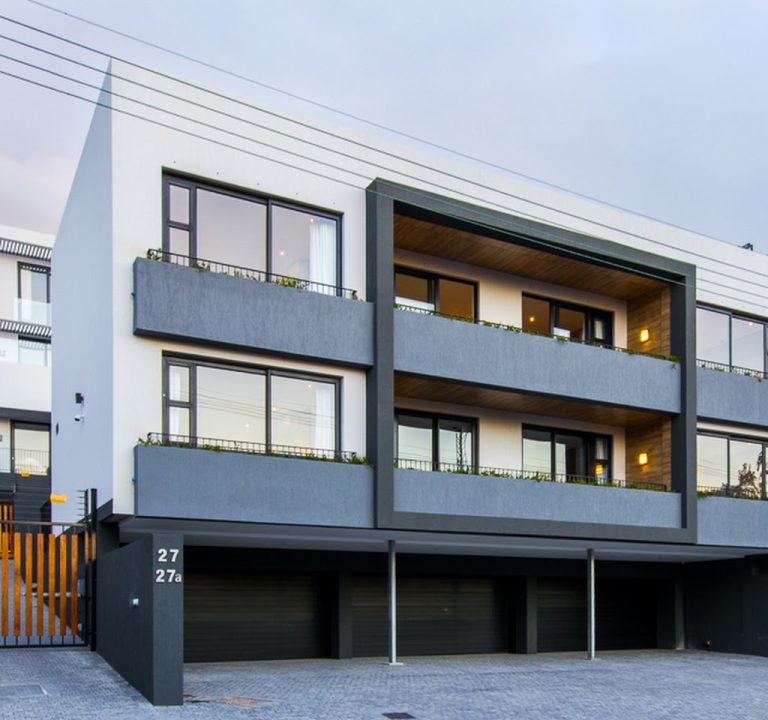
One notable example of Cape Town accommodation that illustrates the domestic traveller experience is a villa-style option nestled in a tranquil setting with easy access to both mountains and water. It offers privacy, a garden or terrace, and a welcoming ambience for longer stays or weekend breaks. Visitors can find such properties described as family‑friendly or boutique within walking distance of cafés, markets, and scenic overlooks. If you are curious about specific listings, you may wish to explore the property’s official site for photos, availability, and location details. For instance, a villa property with its own website provides direct information about layout, amenities, and neighbourhood highlights, helping guests picture how a stay could unfold.
Practical tips to make the most of your Cape Town stay:
- Book accommodation with good access to public transport or parking, especially if you plan to explore multiple districts.
- Choose a base that minimises daily uphill treks or long drives when possible, particularly if you expect to be out late or return after sunset.
- Pack layers: mornings and evenings near the coast can be cool, even on warm days.
- Waterfront and mountain views are iconic; consider a balance of scenery and quiet rooms if you plan to work remotely or rest after busy days.
- Respect local safety guidelines and keep valuables secure when venturing into crowded markets or popular tourist spots.
For more information on accommodation in Cape Town and a sample of what stays in the city offer, you can visit the website of Sandpiper House, a villa option that situates guests in a relaxed, well‑appointed setting with convenient links to local experiences. See their site at sandpiperhouse.co.za.