Accommodation and Experiences in Cape Town: Planning a Memorable Stay in the Western Cape
Cape Town offers a rich tapestry of accommodation options to suit every traveller, from stylish villas and self‑catering stays to boutique guesthouses and family-friendly lodges. When planning a visit, it helps to think in terms of areas, transport logistics, and the kind of experiences you want to balance between beaches, mountains, and city culture. The Western Cape presents a compact, walkable city core surrounded by stunning coastal and winelands scenery, so tailoring your stay around a few well‑chosen neighbourhoods can make all the difference.
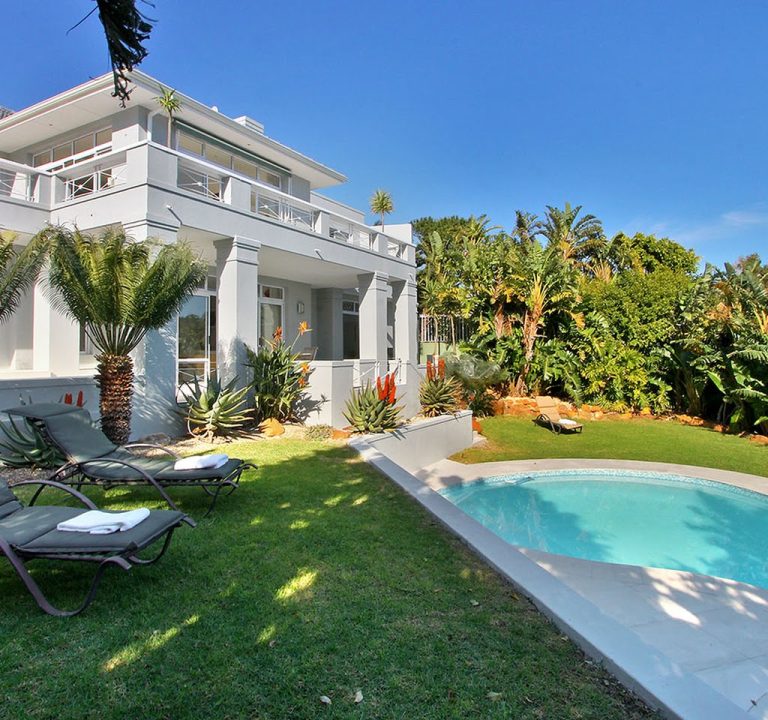
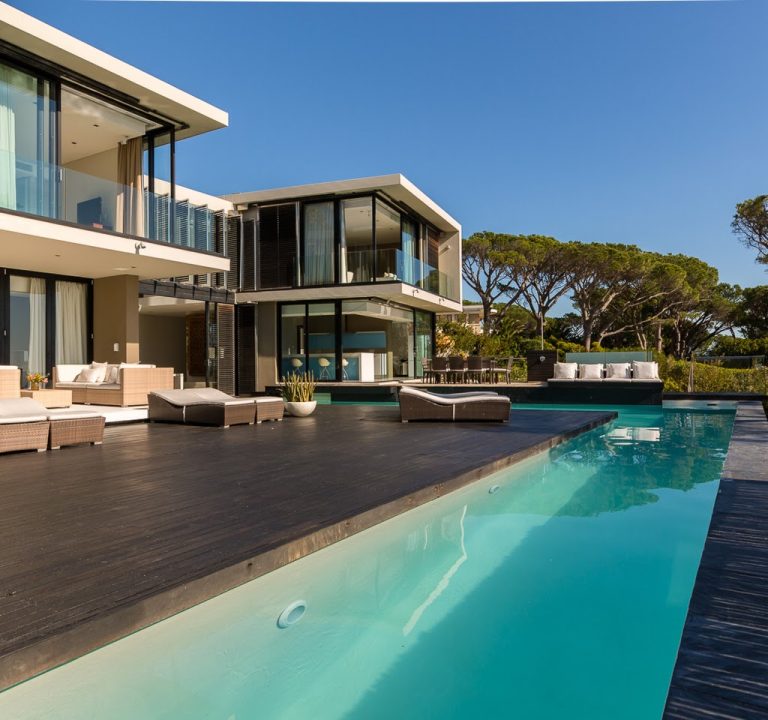
Neighbourhoods to consider include the following. The City Bowl and the Victoria & Alfred Waterfront area provide easy access to museums, galleries and a buzzing dining scene, with quick links to Table Mountain and Signal Hill for postcard-worthy views. Green Point and the Sea Point promenade are ideal for long coastal walks, modern cafés and proximity to the inner-city attractions. Camps Bay and the Atlantic Seaboard offer iconic beaches and cliff‑top scenery, while Constantia Valley provides a quieter, leafy escape above the city and is well placed for wine touring. For families and nature lovers, Hout Bay and the nearby Constantia wine route add a more relaxed pace with scenic drives and abundant outdoor options. If you prefer a self‑catering base, villa‑style stays in Camps Bay Self Catering or similar properties can offer privacy, outdoor spaces and lake‑like views of the surrounding landscape.
When selecting accommodation, consider the following practical factors to help you book with confidence:
- Location and access: Proximity to the places you want to visit, and ease of movement around the city. Check whether the property offers parking or easy transport links for day trips to the Cape Point, Constantia, or the Cape Winelands.
- Safety and security: Look for features such as secure entrances, well‑lit surroundings, and staff on site or on call, especially if you plan to explore late in the evening.
- Amenities and space: Confirm if you need a kitchen, laundry facilities, in‑room storage, or outdoor space. For longer stays, a well‑equipped kitchen and reliable wifi can make a big difference.
- Access to local hospitality: A helpful host, concierge service, or on‑site staff can enhance your stay, especially when navigating peak season or planning day trips.
- Transport options: If you plan to rely on public transport, check the property's distance to MyCiti bus stops, the train network, or ride‑hailing pickup points.
Typical amenities you might encounter include en‑suite bathrooms, air conditioning or heating, reliable housekeeping, secure parking, and access to outdoor spaces such as balconies or gardens. For self‑catering stays, a well‑equipped kitchen, dishware, and cooking basics are particularly welcome. In peak seasons, properties with flexible cancellation policies and clear check‑in procedures can provide extra peace of mind.
Across the city, attractions span natural beauty, culture and gastronomy. Iconic viewpoints and hikes on Table Mountain or Lion’s Head offer memorable experiences for outdoor enthusiasts, while the Kirstenbosch National Botanical Garden showcases Cape flora in spectacular surroundings. The nearby Winelands region is renowned for its estates and scenic routes through Stellenbosch, Franschhoek and Paarl, ideal for day trips that combine scenery with wine and cuisine. For history buffs, excursions to Robben Island, the District Six Museum and other heritage sites provide insights into the city’s complex past. Coastal towns and beaches offer refreshing options for strolls, sunbathing and sunsets, often best enjoyed with a seafood‑forward meal at a restaurant or café along the promenade or harbour.
Dining and drinking experiences in Cape Town range from casual coastal bistros to elegant dining rooms emphasising local produce. Expect menus to feature fresh seafood, sun‑ripened vegetables, and farm‑to‑table ingredients from the surrounding regions. It is common to find outdoor seating with views of the Atlantic, especially in the warmer months. When planning restaurant visits, consider reservations for popular spots, particularly on weekends or during holiday periods. If you are staying in a self‑catering villa or guesthouse, you might also enjoy enjoying a private chef or a picnic on a beach or at a vineyard, subject to advance arrangements with your host or local providers.
Best time to visit Cape Town is flexible, with the summer months (roughly November to February) offering longer days and vibrant outdoor life, while spring (September to November) and autumn (March to May) bring mild weather and fewer crowds. Winter (June to August) is cooler and wetter, but can still be a rewarding time for moments of rain‑touched light and cosy evenings in carefully selected indoor venues. If you plan to combine a city break with a wine‑tocation, consider aligning your stay to hospitality calendars and seasonal harvests, which can affect availability and the atmosphere at some properties.
For travellers seeking a self‑contained option with a coastal perspective, Camps Bay Self Catering offers villa-based accommodation with a focus on privacy and expansive sea views. More information can be found on the property’s website: Camps Bay Self Catering.
Practical tips for a smooth stay in Cape Town:
- Plan a mix of days in the city centre and days along the Atlantic coast to balance cultural sights with outdoor time.
- Check weather forecasts and pack layers; coastal conditions change quickly, especially near the Table Mountain range.
- Book main attractions and restaurants in advance during peak seasons to secure preferred times and spaces.
- Keep a small itinerary file with maps and addresses, and have a plan B for days when weather impacts outdoor activities.
Whether you choose a stylish villa with sea views, a centrally located guesthouse, or a self‑catering retreat in a tranquil valley, Cape Town rewards curious travellers with a sense of discovery, varied landscapes, and hospitality that invites a longer stay in this remarkable corner of the Western Cape.