Accommodation and a Planner’s Guide to Plettenberg Bay, Western Cape
Plettenberg Bay, commonly known as Plett, offers a relaxed coastal vibe with rich natural scenery, long sandy beaches and a choice of welcoming places to stay. Whether you’re seeking a boutique hotel, a self‑catering guesthouse, or a comfortable seaside lodge, the town provides options that suit short breaks, family holidays or longer stays. Planning your stay around the best locations, sensible transport and practical amenities will help you make the most of your time in this part of the Western Cape coastline.
When planning where to base yourself, consider proximity to the activities you want. The central area around the main beaches is convenient for strolls, cafés and easy access to shops. For a quieter retreat with ocean views, look a little further along the coast to lodges and guesthouses perched above or near Sand River or Robberg Beach. If you prefer a self‑contained stay with a kitchen and living space, a self‑catering apartment or house within a short drive of town can be ideal. For a family holiday or special occasion, some larger properties and boutique hotels offer family‑friendly rooms, generous outdoor spaces and on‑site facilities such as pools or guided activity options.
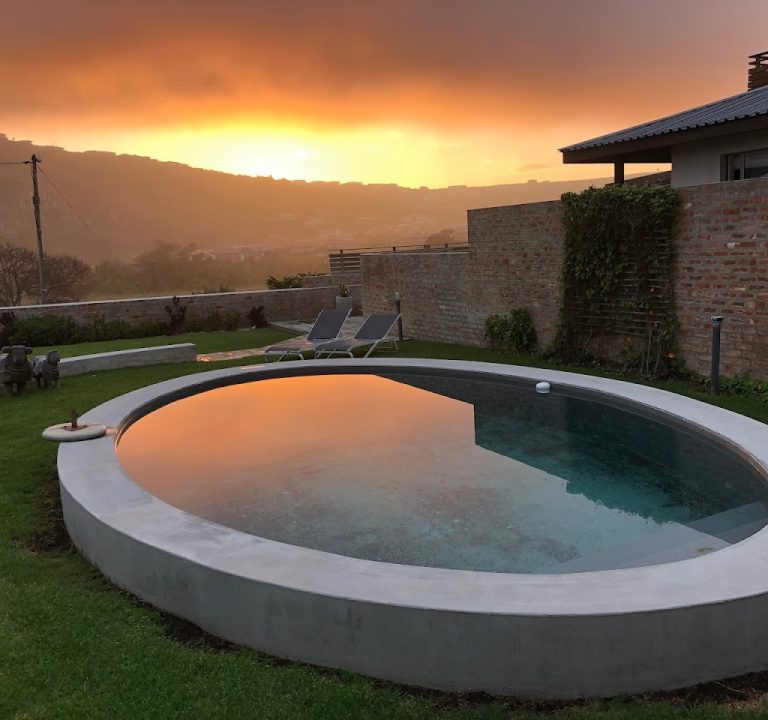
Typical amenities you might encounter include en‑suite bathrooms, breakfast options (either continental, full South African breakfasts, or à la carte), free parking, tea and coffee facilities, and secure access. Many accommodation providers in Plettenberg Bay also offer additional touches such as pool areas, verandas with sea views, and outdoor braai or barbecue facilities. If you’re travelling with children or pets, verify policy details in advance, as some properties may have restrictions or dedicated family rooms. For longer stays, check if there are laundry facilities or laundry services on site, and whether you can request housekeeping on certain days to suit your schedule.
Transport in Plettenberg Bay is straightforward but planning ahead helps. The town is set along a scenic coastal route, with most accommodations accessible by car. If you’re relying on public transport, be aware services are limited in some areas, and a short taxi or rideshare ride can be a practical option for evening dining or day trips. Some properties offer transfer arrangements or can assist with private drivers for planned excursions to regional attractions. If you’re driving, a map or GPS will be handy for exploring nearby beaches, viewpoints and nature reserves along the N2 corridor and coastal roads.
Best time to visit Plettenberg Bay depends on your priorities. The summer months (December to February) are warm and ideal for beach days and water activities. Winter (June to August) is cooler and quieter, but provides opportunities for dramatic coastal scenery and nearby wine routes. The region is known for whale watching during certain seasons, and spring and autumn can offer milder weather and fewer crowds. Check the local calendar for any community markets or outdoor concerts, which can add a lively touch to your stay without needing a rigid itinerary.
Dining and culinary experiences in Plettenberg Bay range from casual cafés to more refined eateries. Many venues emphasise fresh, seasonal produce and the area’s coastal influence. While I can’t name specific dishes or current promotions, you can expect menus that highlight local seafood, braai (barbecue) favourites, and international options to suit various tastes. It’s common for restaurants to offer outdoor seating with sea views, which makes evenings particularly enjoyable. If you’re staying in a self‑catering option, you might also enjoy buying fresh seafood and produce from nearby markets or fishmongers to recreate a coastal supper in your accommodation.
To get the most out of your visit, consider pairing your stay with some light, self‑guided activities and easy day trips. Plettenberg Bay is a gateway to coastal trails, viewpoints and nature reserves, and many properties can help arrange guided walks or coastal runs. If you’d like to explore further, popular day trips include visits to nearby coastal towns, private estates with scenic beaches, or sheltered bays perfect for swimming. For those seeking a gentler pace, a lazy day on a sandy beach followed by a sunset stroll along the dunes can be as rewarding as a more structured itinerary.
Specialist accommodation such as the Sandbanks Beach House offers a reminder that you can find properties with strong guest‑facing service and thoughtful design. When selecting a place, ask about morning light and balcony or terrace space, as those elements greatly enhance the experience in a seaside town. Look for clear information about access (private or shared), security features, and how the property handles peak season bookings to avoid overlaps or last‑minute changes.
Practical planning tips to keep in mind:
- Book as early as possible for peak seasons and holidays, especially for properties with limited availability or unique sea views.
- Read policy details on cancellations and deposits, and confirm quiet hours if you’re travelling with children.
- Ask about on‑site facilities such as parking, Wi‑Fi reliability, and whether kitchens or BBQ areas are available for guests.
- Consider room configuration and accessibility—whether you need a ground‑floor space or a lift for stairs, especially for longer stays.
Whether you choose a boutique bunker near the beach, a family‑friendly lodge with a pool, or a stylish apartment in the heart of Plettenberg Bay, your stay can be a relaxed base from which to explore the majestic coast and hinterland. With thoughtful planning, you’ll enjoy comfortable accommodation, convenient access to beaches and nature, and the chance to sample regional tastes and hospitality that make the South African coast so memorable.