Plettenberg Bay: Accommodation and Experiences for a Relaxed South African Holiday
Plettenberg Bay, on the Western Cape’s Garden Route, offers a mix of sun, sea and hinterland scenery that appeals to coastal lovers, families and travellers seeking a restorative escape. When planning a stay, consider the different neighbourhoods and how they match your priorities—beach access, quiet village charm, or easy proximity to restaurants and shops. Options range from sea-facing villas and boutique guesthouses to self-catering apartments and boutique eco-lodges, making it possible to tailor a break to your rhythm and budget.
Accommodation in Plettenberg Bay often clusters around three distinct areas. The beachfront and town centre provide convenient access to a string of sandy beaches, restaurants and galleries, with a lively atmosphere during peak season. The Robberg Peninsula and Nature Reserve offer scenic walks and dramatic coastal scenery, appealing to those who want a more tranquil, outdoors-rich stay. The Crags, a short drive inland, is where several small lodges and country-style guesthouses blend pastoral views with proximity to forest trails and the chance to observe local wildlife. When booking, think about how you’ll spend your days: do you want to wake to sea breezes and footsteps on the sand, or to roll out of bed to woodland silence and a longer drive to activities?
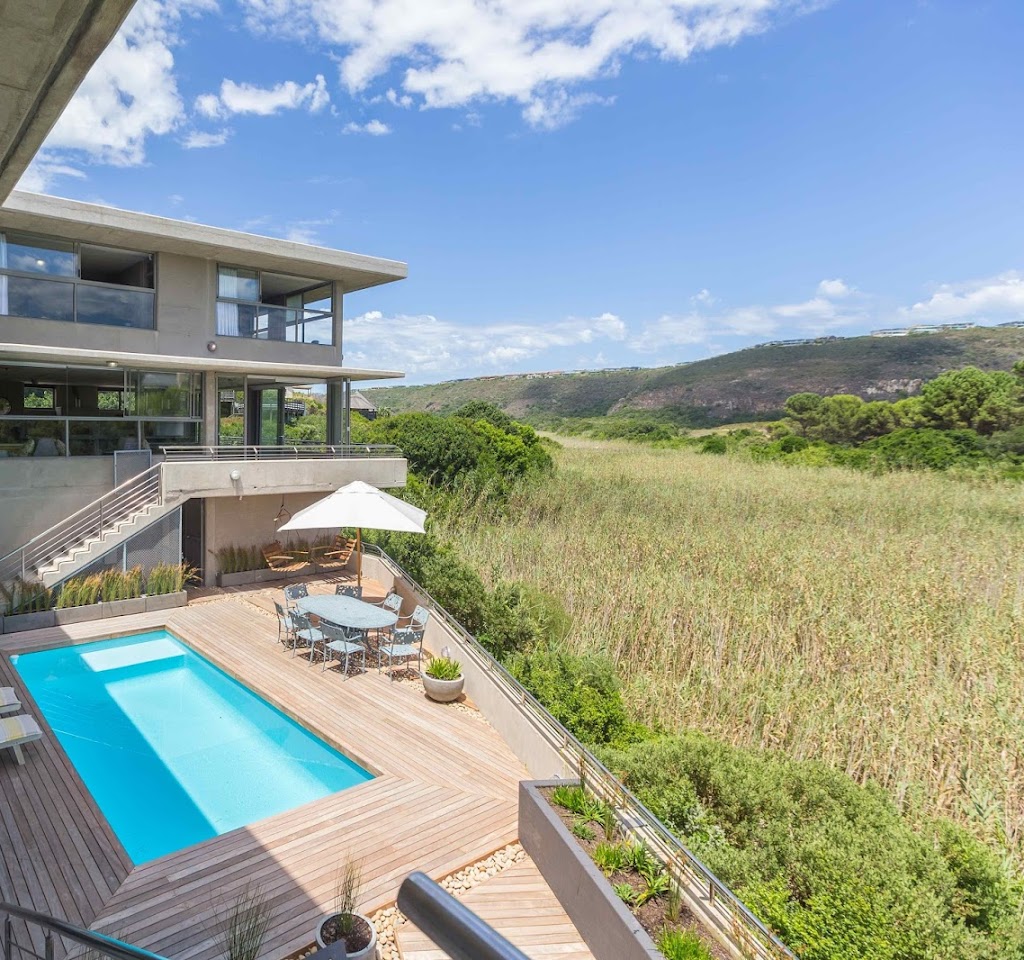
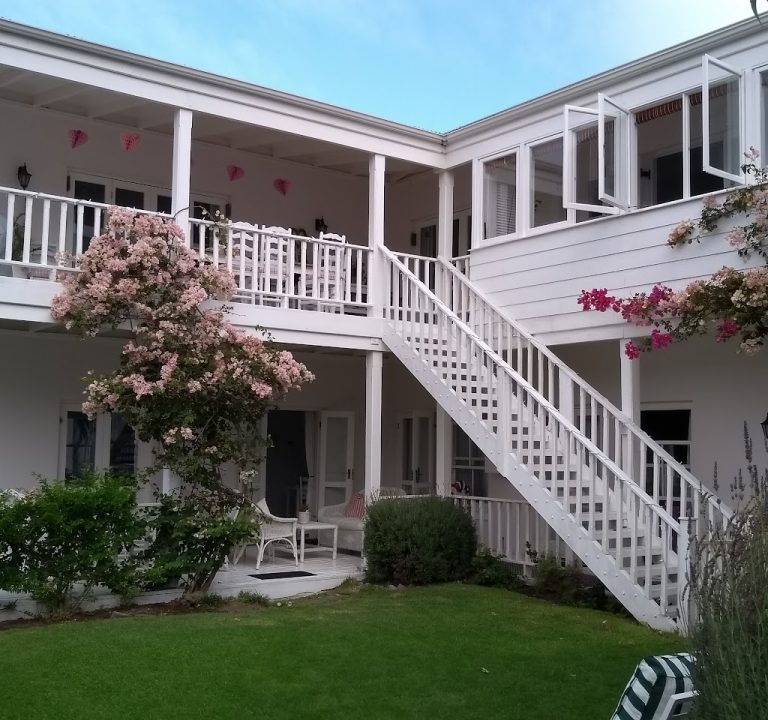
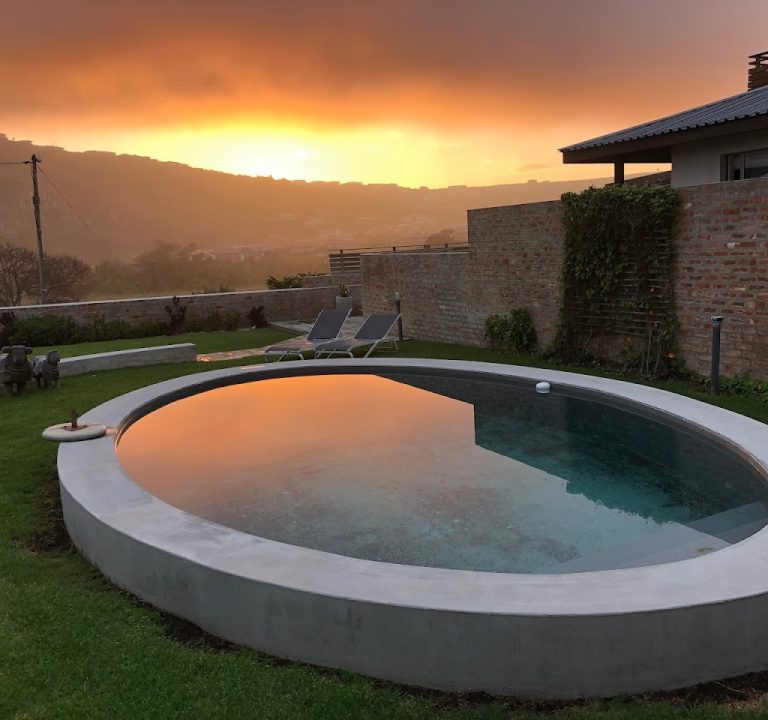
Typical amenities you might encounter include private or communal pools, well-equipped kitchens or kitchenettes, spacious living areas, and outdoor spaces such as braai (barbecue) areas or terraces with sea or mountain views. Many properties offer on-site parking and Wi‑Fi, and some provide organised activities or guided experiences. If you are travelling with family or a group, look for larger suites, multiple bedrooms, and easy access for little ones or guests with mobility considerations. If you prefer a more intimate stay, a stylish B&B or boutique villa with personalised service can provide a strong sense of place without compromising comfort.
Booking tips to help secure the right place include evaluating distance to your planned activities and restaurants, checking guest reviews for consistency on cleanliness and service, and confirming cancellation policies in advance. It can be helpful to ask about access to public transport or shuttle options, should you plan to explore out of town without driving every day. For villa and self-catering stays, review what is supplied in the kitchen and beach gear such as chairs, umbrellas or towels, so you are not surprised by extra costs or missing items during your stay. A note on flexibility: shoulder seasons can offer fewer crowds and more value, while mid-winter stays may still deliver sunny days with cooler evenings, depending on the year.
Transport options within Plettenberg Bay are straightforward. The town is compact enough for relaxed strolls between beaches, shops and eateries, but having a car makes accessing the surrounding attractions easier and more efficient. Local operators provide guided nature walks, whale watching at certain times of the year, and visits to nearby forested areas and viewpoints. If you prefer public transport or rideshares, verify the availability in advance and map routes to your chosen base, especially if you plan to visit more distant spots such as the hinterland trails or the Robberg Peninsula.
The best time to visit Plettenberg Bay depends on your priorities. South Africa’s summer (roughly October to April) brings warm days and calm seas, ideal for beach days and water-based activities. The shoulder months of spring and early autumn offer pleasant temperatures with fewer crowds and excellent clarity for outdoor exploration. Winter (May to September) is cooler and wetter, but the region still enjoys mild days and can be a peaceful option for nature lovers who favour a quieter pace and lower rates. Keep in mind that peak school holiday periods can be busier and more costly, so plan ahead if you’re seeking a tranquil escape.
When exploring the town’s attractions, consider a mix of natural and cultural experiences. The coastline and beaches offer safe swimming and kayaking in season, while the nearby Robberg Nature Reserve delivers scenic hikes with marine life viewing opportunities from rocky outlooks. For a flavour of the local scene, you’ll find a range of restaurants offering fresh seafood, bistro dishes and contemporary South African cuisine, often with panoramic views. Shops and markets provide an opportunity to sample regional crafts and takes on artisanal food products. For a family-friendly or relaxed break, many accommodation providers will highlight nearby activities that suit different ages and energy levels.
One standout option to consider is Red Box Villa, a villa-style property that blends coastal charm with modern comforts. Guests can expect a private, well-equipped space with convenient access to Plettenberg Bay’s beaches and trails. For more information, you can visit the property’s website at http://www.redboxplett.co.za/.
- Look for properties with easy beach access or short drives to the sea.
- Choose an area that matches your planned activities, whether that’s shorefront walks or forest hikes.
- Check for essential amenities like parking, Wi‑Fi, and self-catering facilities if needed.
- Ask about guided experiences or local recommendations to maximise your time.
- Consider travel in shoulder seasons for better value and fewer crowds.
With thoughtful planning, Plettenberg Bay offers a compact yet richly varied base from which to explore the Garden Route’s coast and hinterland. The right accommodation can dramatically enhance your pace and mood, turning a holiday into a memorable, restorative escape. Whether you opt for a sea‑view villa, a cosy guesthouse, or a secluded lodge in the hills, Plettenberg Bay provides a welcoming gateway to beaches, nature, dining and memorable outdoor adventures.