Accommodation, attractions and planning tips for a stay in Cape Town
Cape Town offers a diverse range of places to lay your head, from stylish guesthouses and lodges to self-catering eco-properties set against dramatic coastal scenery. When planning a visit, think about the kind of experience you want as well as practical considerations such as transport links, safety, and access to favourite activities. The city’s climate can be cool in the winter and pleasantly warm in the summer, with the prevailing winds shaping certain neighbourhoods more than others. A well-chosen base will set the tone for your days exploring the Cape Peninsula, Table Mountain and the surrounding Winelands.
Areas to consider when booking:
- City Centre and Green Point: convenient for restaurants, nightlife, the V&A Waterfront and the MyCiTi bus network. Expect a mix of boutique hotels, modern apartments and guesthouses with easy access to urban attractions.
- Sea Point and Camps Bay: scenic ocean views, cosmopolitan eateries and beaches. Ideal for walkers and sun-seekers, with options ranging from boutique hotels to self-catering apartments.
- Constantia and Tokai: tranquil suburbs inland from the coast, renowned for wine estates and leafy estates. Great for longer stays, dengan access to nature trails and country hospitality.
- Observatory and Rondebosch: more residential, with a diverse dining scene and proximity to university surroundings. Suitable for travellers seeking a quieter, authentic neighbourhood vibe.
When selecting accommodation, consider the following common features and what they mean for your plans:
- Self-catering facilities: ideal for flexible meal times and budget control, particularly if you enjoy mornings in the kitchen or packing picnics for scenic days out.
- Wi‑Fi and workspace: important for guests who need to stay connected or work remotely between excursions.
- Parking: several parts of Cape Town are best explored by car, so on-site or secure parking can save time and reduce stress.
- Accessibility: if you have limited mobility or travel with family, check for lifts, level access and well-reviewed amenities.
- Security: look for properties with thoughtful security measures and well-lit surroundings, particularly if you plan evening strolls along the coast or in busy districts.
Seasonal planning helps you maximise experiences. The peak tourist period in Cape Town runs through the Southern Hemisphere summer, from December to February, when beaches and outdoor venues shine but accommodation tends to book up quickly and prices rise. The transitional seasons of spring (September to November) and autumn (March to May) offer milder weather, smaller crowds and good value. Winter (June to August) brings cooler weather and occasional rain, yet it can be ideal for exploring museums, markets and wine estates with fewer visitors. If you are keen on outdoor adventures such as hiking or coastal drives, consider weather forecasts and wind patterns, particularly along the Atlantic Seaboard and the peninsula.
Transport and getting around need practical forethought. The MyCiTi bus service provides a comprehensive urban network, while Uber and local taxis offer door-to-door convenience. If you stay near the Atlantic Seaboard or the city centre, many attractions are walkable in pleasant weather, but plan day trips to include planned transit times if you venture to the southern suburbs or the peninsular route. If you hire a car, be mindful of limited parking in busy areas and peak-hour traffic. For day trips, guided tours or organised experiences can remove the hassle of navigation and provide local insights into natural attractions and cultural sites.
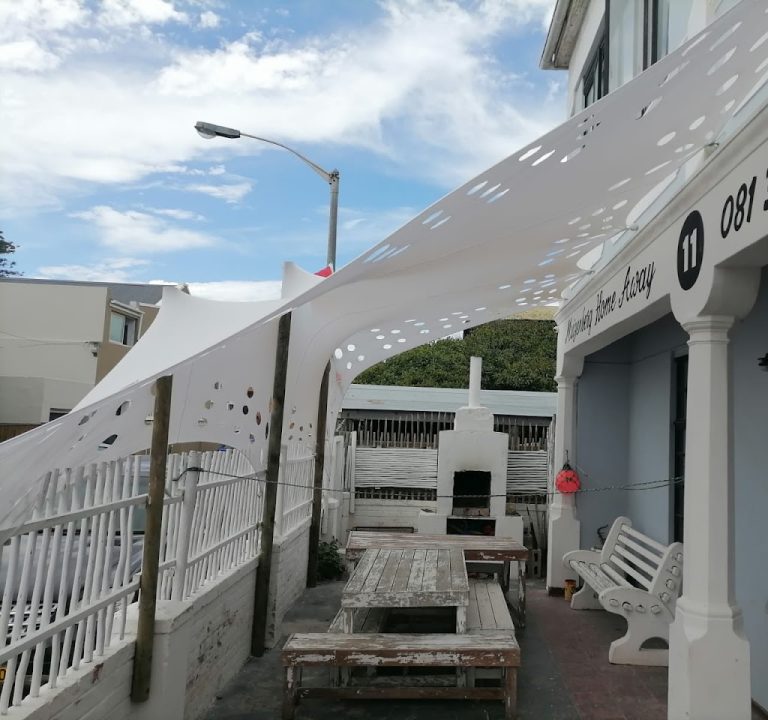
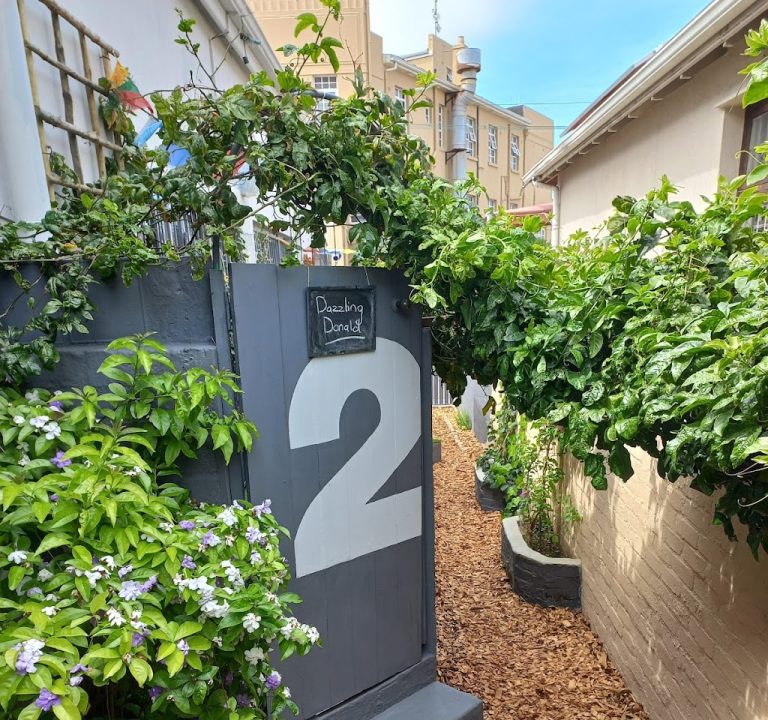
Where to stay in terms of lodging styles, in addition to practicalities, can shape your itinerary. A lodge or guesthouse with breakfast can offer a relaxed start to the day, while a self-catering option lets you tailor meals after long mornings exploring nature reserves or city markets. One notable example of a lodging option within this spectrum is Samhitakasha Cob House Organic Self-Catering, a unique eco-friendly retreat that highlights sustainable living and a slower pace of travel. You can learn more about its offerings and booking details on its website: http://www.cobhouse.co.za/.
Experiences to couple with your stay include a mix of natural beauty, culture and cuisine. In and around Cape Town, you’ll find iconic landscapes such as the dramatic coastline, fynbos-covered mountains and coastal reserves. While staying in the city, you can plan trips to prominent attractions in the surrounding region—some days may be spent on nature trails or visiting historic neighbourhoods and markets, while other days offer maritime scenery, art galleries and a diverse restaurant scene. In terms of dining, the city’s culinary landscape ranges from beachfront casual cafés to refined dining rooms, with many venues offering seasonal menus inspired by local ingredients; menus vary, so it’s wise to consult menus or ask for recommendations closer to your travel dates.
Practical tips for a smooth stay:
- Book well in advance for peak periods, especially if you have specific neighbourhood preferences or require family-friendly accommodation.
- Ask hosts or concierges about recommended coastal walks, safe viewpoints and low-traffic routes for day trips.
- Pack layers for variable coastal weather, plus comfortable walking shoes for hills and uneven pavements.
- Check kitchen facilities, laundry access and any shared spaces if you plan a longer stay.
- Bring a lightweight map or offline navigation app for areas with limited mobile reception in the suburbs or along the peninsula.
With careful planning, Cape Town can offer a balanced stay that combines comfortable lodgings, convenient transport options and a broad spectrum of experiences. Whether you favour beachfront splendour, urban convenience or a quiet base near wine estates, the city has options to suit most tastes and budgets. By aligning your accommodation choice with your planned activities, you’ll be well placed to enjoy the splendour of Table Mountain, the Atlantic coastline and the city’s vibrant culture without feeling rushed.