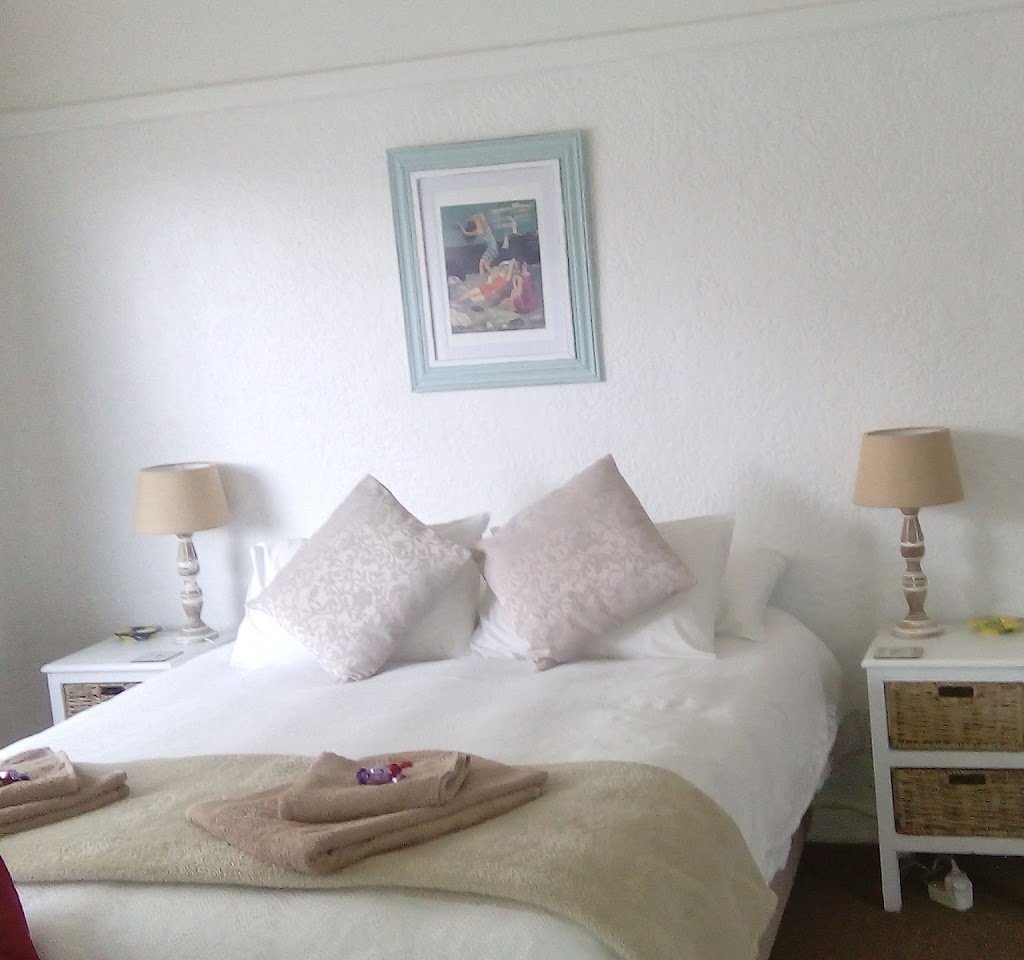
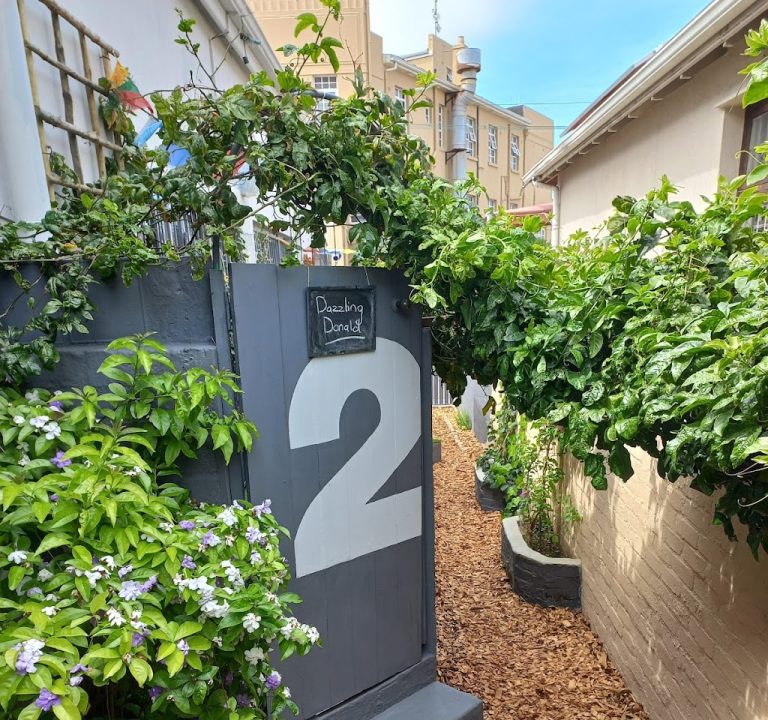
Accommodation and planning a stay in Cape Town, Western Cape
Cape Town is a city of contrasts, where white-sand beaches meet dramatic granite peaks and harbour-side eateries sit beside historic streets. For visitors seeking a comfortable base, the range of lodgings—from boutique B&Bs and guesthouses to stylish hotels and self-catering stays—makes it possible to tailor a visit to pace and budget. When planning a stay, think about the areas you want to explore, the type of accommodation that suits you, and what you hope to do each day.
Begin with location. The City Centre and the historic De Waterkant area provide convenient access to museums, theatres, and national parks, along with a walkable mix of cafés and restaurants. The Atlantic Seaboard, including Camps Bay and Clifton, offers scenic beaches and stylish seaside stays with a cosmopolitan vibe. For wine lovers or a quieter eco-friendly escape, Constantia and nearby Simons Town provide a more relaxed pace and easy access to nature reserves. For mountain scenery and family-friendly options, the foothills of Table Mountain and surrounding suburbs can be ideal. When selecting a property, map out your must-see sights and plan how you will travel between them to avoid long daily commutes.
What to look for when booking varies by traveller, but certain features consistently improve a stay. Practicalities such as secure parking or easy indoor access can be important, especially for travellers with a heavy luggage load or those staying in hilly districts. Reliable Wi‑Fi, flexible check-in arrangements, and clear communication from the host or front desk help smooth the arrival process. If you are visiting during peak season, consider properties with generous breakfast options, late check-out where available, or access to outdoor spaces like terraces or pools. For families, look for child-friendly amenities, quiet rooms, and close proximity to safe promenades or parks. Business travellers may prioritise workspaces and proximity to business districts, while couples may seek intimate rooms with a private balcony or sea views.
Typical amenities across Cape Town’s accommodation spectrum include, but are not limited to: en-suite bathrooms, air conditioning or ceiling fans, secure parking, self-catering facilities, and access to either a communal living area or a private lounge. Breakfast arrangements vary from continental spreads to cooked options, with some lodgings offering room service or picnic-style provisions for day trips. In coastal areas, you may find outdoor pools, sun decks, and easy beach access. In the winelands or rural-like settings, expect spa facilities, gardens, and the charm of a slower pace. Always check what is included in the stay—whether pool towels are provided, if beach gear is available, and what housekeeping frequency is offered during your visit.
Transport around Cape Town is straightforward but can be non-linear, particularly if you are exploring multiple districts in a day. The MyCiTY/public transport network, ride-hailing apps, and rental car services provide options for all budgets. For coastal or scenic routes, a car is convenient, though some guests prefer to rely on guided tours or organised day trips to avoid navigation and parking challenges. If you plan to visit Table Mountain or the Cape Peninsula, consider purchasing tickets or booking tours in advance where possible, and leave early to beat crowds. Always check whether your accommodation offers shuttle services, or can arrange transfers to major sights and the airport, as these can save time and add convenience to your stay.
The best time to visit Cape Town depends on your interests. Spring (September to November) brings blooming gardens and milder weather, ideal for hiking and outdoor exploring. Summer (December to February) is lively, with long days and beach-friendly conditions, perfect for coastal stays and sunset views, though it can be busy. Autumn (March to May) has pleasant temperatures and quieter streets, while winter (June to August) offers cooler days and the possibility of fewer crowds, especially in the wine routes and nature reserves. Pack layers, a light rain jacket, and sun protection, as the city can swing from cool mornings to warm afternoons.
To plan an effective itinerary, consider mixing neighbourhoods to balance culture, scenery, and dining. You might spend a couple of nights in a harbour-front guesthouse to soak up the Atlantic breezes, followed by a few nights in the city centre for museums, markets, and restaurant crossings. If you are drawn to wine and nature, allocate a day or two for Constantia or nearby Paarl and Stellenbosch, where easy day trips are feasible from Cape Town. For those who enjoy coastal walks and breathtaking viewpoints, a stay near Camps Bay or the Atlantic Seaboard provides ideal access to scenic drives along Chapman's Peak or the coastal paths around the Peninsula.
Practical tips for visitors include planning ahead for peak periods, using a reputable transfer or taxi app, and consulting official tourism resources for current attractions and seasonal closures. Always keep a copy of important travel documents, store valuables safely, and respect local regulations and conservation guidelines when visiting outdoor spaces. For more inspiration and planning tools, you can browse official tourism sites or reputable travel guides that provide practical, up-to-date suggestions on routes, eateries, and experiences that suit a broad range of interests.
- Consider areas by priorities: proximity to the city core for convenience, or coastal districts for scenery and leisure.
- Check for essential amenities like secure parking, Wi‑Fi, and breakfast options.
- Plan transport between sights to maximise time and minimise travel fatigue.
- Boost your stay with a balance of rest days and day trips to winelands or nature reserves.
Whether your stay is short and fast-paced or longer and leisurely, Cape Town offers a spectrum of accommodation and experiences that can be woven into a tailored visit. By selecting a location aligned with your interests, confirming practical details in advance, and budgeting for transport and time, you can extract the most from your Cape Town escape and return home with lasting memories.