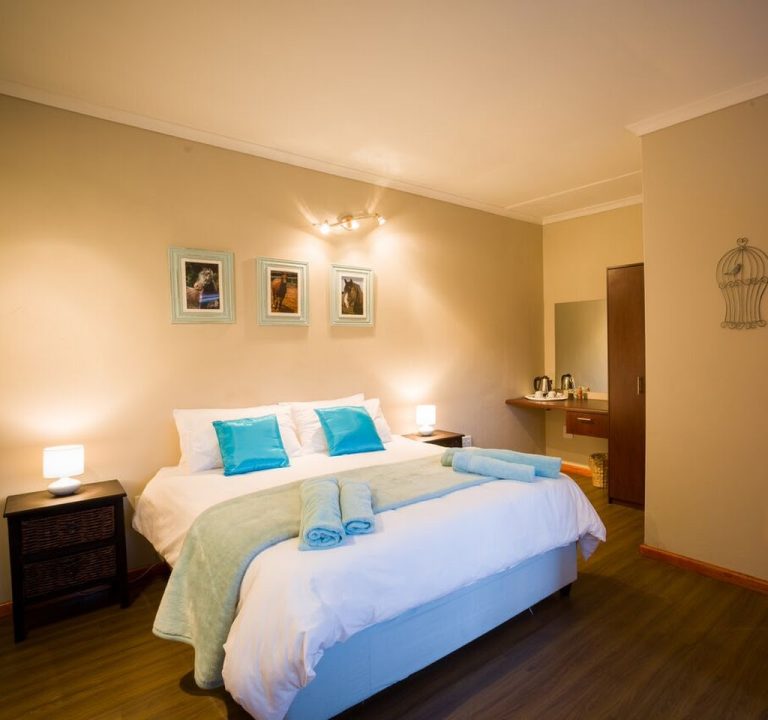
SAKURA LAND is a Serviced accommodation establishment in Cape Town, Western Cape, South Africa
About SAKURA LAND, Cape Town
SAKURA LAND presents a distinctive off-grid escape carved into a private fynbos nature reserve on the West Coast, just a 45-minute journey from Cape Town city centre. This intimate sanctuary, founded by Abby Shalabi, is designed for creators, artists and travellers seeking stillness, inspiration and a deeper connection with nature. The setting blends silence, natural beauty and art, inviting guests to slow down and experience a space where organic living and meaningful downtime harmonise.
Accommodations at SAKURA LAND are conceived as a collection of individual stays that emphasise a simple, comfortable lifestyle without compromising on feel and character. The site operates with solar power and underground water, underscoring a gentle, conscious approach to living. Guests can expect a thoughtfully curated environment featuring lush gardens, tranquil water features and a variety of sculptures crafted from recycled materials, transforming the land into a living gallery that is both grounding and creatively stimulating.
With a maximum capacity of 10 guests, the atmosphere remains private, cosy and intentionally designed for quiet concentration, relaxation or creative pursuits. The experience goes beyond a traditional stay, offering an immersion in art, nature and peaceful rhythm—an invitation to reconnect with self, space and surroundings in a slow, considerate manner.
In addition to its living spaces, SAKURA LAND hosts a vivid outdoor art presence. Visitors can explore a series of installations and sculpture works that adorn the grounds, created using recycled materials and natural elements. The property also features a small gift shop where guests can browse art pieces, sculptures, healing wands and other handmade treasures, complementing the overall artistic and restorative mood of the retreat.
The owner’s passion for cultivating organic and holistic living is reflected in several on-site sustainability and lifestyle themes. The gardens incorporate edible plants and flowers, while the broader environment encourages walks, contemplation, painting, reading, writing and light outdoor activities like cycling and barbecuing. The land’s location offers easy access to pristine beaches and proximity to local amenities including gyms, restaurants, cycling routes and wine estates.
SAKURA LAND is presented as a sanctuary that embraces both art and nature. Guests are welcomed into a space where silence, fresh air and creative expression intersect, offering a refreshing lifestyle as much as a place to rest. The combination of off-grid comforts, artisan installations and a tranquil landscape makes it an appealing option for travellers seeking a unique, immersive stay near Cape Town.
Booking details and further information about life at SAKURA can be explored through the official site, with opportunities to learn more about off-the-grid living, on-site beekeeping and honey production, ongoing art and sculpture projects, and organic gardening initiatives.
- Location: Private fynbos nature reserve, West Coast, near Cape Town
- Energy and sustainability: Solar-powered with underground water
- Capacity: Up to 10 guests, intimate and private
- On-site experiences: Outdoor art galleries, sculptures and installations
- Nearby highlights: Proximity to beaches, gyms, restaurants, cycling routes and wine estates
For those considering a stay, details on experiences, accommodation styles, and availability can be found via the official website at sakura-getaway.com.
Cape Town
Western Cape
Cape Farms, Cape Town
South Africa
Cape Town: Where to stay, what to do, and how to plan a memorable visit
Cape Town blends iconic scenery with a welcoming travel culture, making it a straightforward place to base a stay while you explore the Western Cape. Whether you seek boutique B&Bs tucked into harbour towns, serviced apartments with city views, or off-grid escapes on neighbouring nature reserves, the city’s neighbourhoods offer a range of experiences for every style and budget. Planning ahead helps you pick a neighbourhood that suits your targets—whether it’s beach days, wine-tasting trips, mountain hikes, or urban galleries and markets.
Accommodation in Cape Town typically falls into several broad categories. In the city bowl, you’ll find stylish boutique hotels, modern serviced apartments and guesthouses with easy access to the historic centre, museums, and a vibrant dining scene. The Atlantic Seaboard (from Sea Point to Camps Bay) is known for coastal walks, long sandy beaches, and dramatic sunsets, while the Southern Suburbs (including Constantia and Claremont) offer leafy streets, wine estates and family-friendly stays. For a quieter, nature-forward retreat, primely located guesthouses or eco-lodges on the edges of nature reserves or in the surrounding hills are ideal. If you’re seeking a more unconventional experience, there are off-grid or artist-run spaces that combine accommodation with cultural programming and gardens to explore, such as those set within private reserves or art-rich environments.
When choosing a place to stay, look for a few practical amenities and features that can noticeably improve a visit. First, assess access to transport and the ability to move around without heavy reliance on taxis. Cape Town is walkable in certain areas, but many attractions are spread out, so consider properties near major routes or with easy access to public transport such as the MyCiTi bus network, or with parking for a hire car. Second, check for essential comforts: reliable Wi-Fi for planning day trips, secure parking if you’re driving, a well-equipped kitchen or kitchenette if you prefer self-catering, and clear information about check-in processes. Third, note any eco or energy considerations—some stays highlight solar power and water conservation, which can add a unique character to your visit and align with responsible travel goals.
Typical amenities you might encounter include en-suite bathrooms, air conditioning or underfloor heating, balconies or terraces with views, in-room or communal dining spaces, and access to outdoor areas such as gardens, pools, or braai facilities. For longer stays or work-trips, serviced apartments that provide housekeeping on a regular basis, reception support, and flexible booking options make planning simpler. If you are considering a stay that blends art, nature and a slower rhythm, you may even discover property owners who host workshops, exhibitions, or small-scale experiences on-site.
Cape Town’s calendar is shaped by both outdoor and cultural attractions. You’ll likely plan a few days around the city’s famous landmarks, coastal routes, and nearby winelands. In general terms, a stay near the coast offers easy access to beaches, scenic walks, and harbour viewpoints, while a location closer to the Table Mountain Corridor provides quick access to hiking trails and cable car experiences. For culinary enthusiasts, the city’s dining scene ranges from casual eateries and markets to fine-dining destinations, with a focus on seafood, boulders of local produce, and wines from adjacent regions. It’s worth sampling the broad mix of cafés, bistros, and street-food markets scattered across neighbourhoods, which can be an excellent way to experience the city’s flavour without committing to formal dining every night.
To balance days of sightseeing with downtime, plan a mix of guided experiences and independent exploration. Guided tours can illuminate the city’s history, architecture and coastal ecology, while self-guided days let you slow down and linger in coffee shops, art studios, or boutique stores. If you enjoy wine, a day trip to nearby wine estates is a popular option, either as a chauffeured tour or a self-drive itinerary. For nature lovers, the Cape’s dramatic landscapes offer dramatic viewpoints, wildlife spotting at coastal reserves, and scenic drives along the world’s most beautiful routes. Family-friendly options include parks, safe beaches with lifeguards, and interactive museums that explain Cape Town’s diverse heritage and geography.
Practical planning tips for a smooth stay:
- Best time to visit: Spring (September to November) and autumn (March to May) offer mild weather, fewer crowds, and vibrant landscapes; summer (December to February) brings long days and peak activity, while winter (June to August) provides dramatic skies and excellent surfing conditions.
- Packing: layers for changeable coastal weather, sun protection for the beach and hills, comfortable walking shoes, and a light rain jacket for Cape drizzle.
- Transport: consider a car for flexibility, combined with rideshares or public transport in busier areas. Check parking policies if staying in city-centre or beachfront properties.
- Safety: stay aware of your surroundings, keep valuables secure, and use reputable transport options, especially after dark.
- Booking tips: read guest reviews for insights on room layout, noise levels, and host responsiveness; check cancellation policies and whether the listing includes essential services such as housekeeping or on-site staff.
As a featured option for travellers seeking a distinctive retreat, SAKURA Sanctuary offers a unique serviced accommodation concept that blends off-grid living with nature, art and sustainable design. For more about this particular stay, you can explore details at the property’s website Sakura Sanctuary. Whether you choose a sea-facing apartment, a quiet hillside guesthouse, or a nature-forward sanctuary, Cape Town presents a welcoming base from which to discover the city’s diverse attractions, delectable dining, and unforgettable scenery.
Sorry, no records were found. Please adjust your search criteria and try again.
Sorry, unable to load the Maps API.
Why Claim Your Listing?
Claiming your listing on the B&B Finder directory website is a valuable opportunity for business owners. Here are five reasons why you should consider claiming your listings:
Control Over Business Information: By claiming their listing, business owners can ensure that all the information presented is accurate and up-to-date. This includes details such as contact information, address, pricing, and available services or amenities. Accurate information helps prevent customer confusion and improves overall satisfaction.
Enhance the Listing: Once a listing is claimed, owners can enhance it by adding more comprehensive information and rich media, like high-quality photos and videos. These additions can make the listing more attractive and engaging to potential customers, thereby increasing the likelihood of bookings.
Marketing Opportunities: Claiming a listing can also open up additional marketing opportunities. Owners may be able to participate in promotional campaigns, special offers, and other marketing activities organized by the directory. This can increase visibility and attract more customers to the business.