50 Shades of Hay is a Guest house establishment in Cape Town, Western Cape, South Africa
About 50 Shades of Hay, Swartland, Western Cape
Located in the Swartland region of the Western Cape, about 25 kilometres south of Malmesbury, 50 Shades of Hay blends rustic charm with contemporary functionality. The estate operates as a multi‑purpose venue, offering comfortable short‑term and long‑term accommodation alongside a dedicated wedding and functions venue housed in converted stables. It is conceived as a tranquil escape from the pace of city life, set on a smallholding that emphasises peace, privacy and a rural atmosphere.
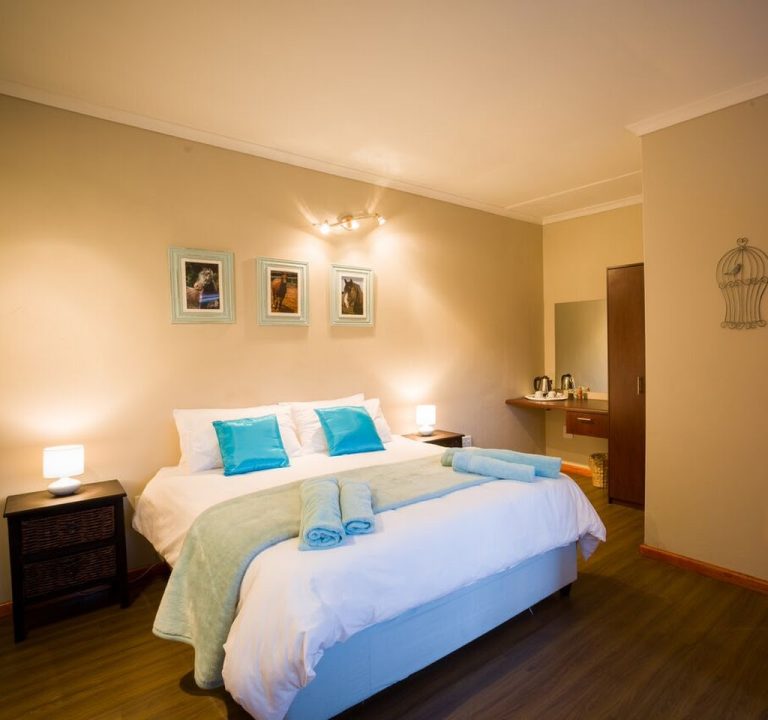
Accommodation at 50 Shades of Hay is designed for groups and individuals seeking a relaxed, uncomplicated stay. The majority of rooms accommodate two guests and feature either a queen bed or two single beds. Each room includes a simple en‑suite bathroom with a shower and provisioning for tea and coffee, ensuring a practical and homely stay. A family unit is available, and a kitchenette in the accommodation block provides self‑catering opportunities for guests who prefer to prepare their own meals. Notably, televisions are not included in the rooms, reinforcing the property’s quiet, away‑from‑it‑all ethos.
- En‑suite bathrooms with showers
- Tea and coffee making facilities
- Family unit with kitchenette for self‑catering
- Self‑catering options and a promotion of a peaceful retreat
For longer visits, the property also offers long‑term stays with tailored pricing to suit the duration and number of guests. This makes it an appealing base for professionals, students or guests needing a few weeks or months away from the city, particularly those working or studying in the Atlantis area. Details on long‑term pricing are provided upon enquiry through the official booking channels.
Bookings can be made via the site’s partner booking platform, with additional arrangements available for larger groups. Breakfast can be organised for sizeable groups (minimum ten guests) with advance notice, underscoring the property’s capacity to support events or extended stays. The accommodation and rates are structured to accommodate promotions such as multi‑day stays, with specific terms and conditions applying to cancellations and deposits.
The estate is not only an accommodation hub but also a venue with a strong emphasis on weddings and functions. The on‑site venue is the Stables, a lovingly renovated space that retains the character of its horse‑stable origins while introducing a refined rustic elegance. It serves as a versatile setting for ceremonies and receptions, with an open, welcoming atmosphere that suits intimate gatherings as well as larger celebrations. The venue benefits from wide open grassed surrounds, creating opportunities for outdoor activities and photos, with a versatility that accommodates multiple functional needs during events.
Inside the Stables, the design preserves a warm, inviting feel. The layout includes smaller “stable” rooms that can partition activities such as intimate conversations, a children’s area, or a photo booth, enabling both social interaction and quieter moments within the same venue. The property’s expansive grounds can accommodate flexible arrangements, including outdoor spaces that can host various event formats. It is even reputedly capable of accommodating aerial arrivals in the form of helicopter landings, reflecting the venue’s desire to offer distinctive, memorable experiences for weddings and special occasions. The Stables venue can host up to 100 guests with a dance floor, blending rustic charm with contemporary hospitality.
For those considering a visit for leisure or events, the surrounding area offers a broader sense of Western Cape character. While specific local attractions are not exhaustively listed on the site, the property’s setting in the Swartland region invites exploration of rural landscapes, vineyards and small‑holding life typical of this part of the Western Cape. The on‑site galleries showcase the venue, accommodation and surrounding property, offering a visual sense of scale, atmosphere and possible event layouts before making arrangements.
Practical travel tips: prospective guests and planners are encouraged to review the booking options available through the site’s online platform, and to consider advance notice for any special requirements, such as breakfast for large groups or long‑term accommodation needs. As a countryside retreat, the property is best suited to guests seeking calm and privacy, with the caveat that amenities are oriented towards self‑catering and functional hospitality rather than high‑throughput city hotel services.
For more information, visitors can navigate to the site’s dedicated pages for accommodation, weddings and galleries, and explore the ‘Book Online’ option or related contact points through the official pages. The overall experience presented is one of rustic elegance, relaxed living, and the ability to host intimate gatherings or larger celebrations in a scenic Western Cape setting.
Cape Town
Western Cape
Cape Farms, Cape Town
South Africa


Accommodation and Attractions in Cape Town, Western Cape
Cape Town is a city of stunning contrasts, where ocean views meet dramatic mountains and historic streets bustle with markets, cafés and world-class dining. When planning a stay, consider the mix of neighbourhoods that best suits your rhythm, from the near-constant buzz of the city to tranquil coastal pockets and leafy hinterlands. A well‑chosen stay can become a convenient hub for exploring both iconic sights and hidden gems across the Western Cape.
Neighbourhoods to consider include the City Bowl and the Central District, where plenty of guesthouses, boutique hotels and self‑catering options place you within easy reach of museums, gardens and the vibrant dining scene. The Atlantic Seaboard and Clifton/ Camps Bay areas offer striking oceanfront perspectives and upscale stays with swift access to beaches and coastal walks. Southern Suburbs such as Constantia and theFalse Bay coast provide more laid‑back environments, often with larger rooms, lush gardens and proximity to wine estates and hiking trails. For a country‑style contrast, you can also stay at rural guesthouses outside the city, which can offer peaceful surroundings and easy day trips into the wine routes and mountains of the region.
When choosing accommodation, think about the following to ensure a comfortable stay. Location and access: how easy is it to reach your planned sights by foot, public transport or a short drive? If you plan to travel with a car, a property with parking can be a big plus. Views and light: many properties offer ocean, mountain or harbour views; consider how much natural light you want in common spaces and bedrooms. Size and layout: if you’re travelling with family or a group, look for interconnecting rooms, family units or self‑catering facilities. Amenities to look for include reliable heating or cooling, a well‑equipped kitchenette or tea and coffee making facilities, good WiFi, secure storage for luggage, and a pleasant outdoor area for mornings or evenings.
Typical amenities vary by style and budget, but you can generally expect en‑suite bathrooms, clean linens, and thoughtful touches such as locally sourced coffee or basic kitchen essentials. If you value a sense of place, many Cape Town properties highlight regional décor and offer curated recommendations for activities, restaurants and markets. If meals are on the agenda, check whether breakfast is included, and whether there are on‑site dining options or nearby eateries that align with your plans.
Transport in Cape Town is straightforward but worth planning in advance. Public transport such as buses and trains can be convenient for certain routes, while ridesharing and rental cars provide flexibility for peak times or day trips. If your plans include visiting nature reserves, wine estates, or coastal viewpoints, a vehicle may offer the most convenience, though many areas are walkable or reachable by guided tours from major hubs.
Best time to visit Cape Town depends on what you seek. The Mediterranean climate means warm, dry summers and mild, wet winters. Summer (November to February) is lively, with beach days and outdoor events, but it can be busier and more crowded at popular attractions. Autumn (March to May) and spring (September to November) bring pleasant temperatures and fewer crowds, making these seasons ideal for sightseeing and hiking. Winter (June to August) is cooler and occasionally windy, yet it can be a good time for museum visits, good-value stays and enjoying cosy eateries. If you’re following a wine‑and‑dine itinerary or aiming to explore the Constantia, Stellenbosch or Franschhoek wine routes, shoulder seasons can offer a more relaxed pace and often better value for accommodation.
When booking, practical tips help ensure you get the most from your stay. Read guest reviews carefully for insights into sleep quality, noise levels, and the attentiveness of staff. Confirm check‑in times, and whether self‑check‑in is available if you’re arriving late. Check what is included in the rate—some properties provide breakfast or kitchen access, while others expect guests to dine out. Pay attention to cancellation policies, especially around peak travel windows, and consider travel insurance in case plans change.
To illustrate the range of options, consider a rural guest house in the Western Cape that offers a peaceful retreat, functional self‑catering facilities and an elegant venue for events. Such properties often double as wedding or function venues, combining accommodation with event spaces set in a scenic estate. They can provide an authentic rural experience while still being a practical base for exploring nearby towns, nature reserves and agricultural landscapes. You can find examples online and plan stays that pair restful accommodation with the chance to sample local hospitality and scenery.
During your stay, mix your days with a blend of natural splendour and culture. In and around Cape Town you’ll find easy access to iconic viewpoints, botanical gardens, iconic headlands and broad ranges of dining options that showcase Western Cape produce. You may also encounter smaller markets, coffee roasteries and neighbourhood eateries that give you a flavour of local life. For inspiration, browse accommodation websites for detailed neighbourhood guides and suggested day trips, and don’t be afraid to ask hosts for personalised plans—whether you want a mountain hike, a coastal cycle, a wine‑tasting itinerary or a food‑focused walking tour. For a rural example that blends accommodation with a distinctive setting, you might explore options like 50 Shades of Hay, a guest house offering short and longer‑term stays alongside wedding and functions facilities, with a stated emphasis on quiet, countryside atmosphere. Learn more about such properties at their official site: http://50shadesbnb.co.za/.
In short, Cape Town offers a spectrum of places to stay and a breadth of experiences. By choosing a neighbourhood that matches your pace, confirming practical details in advance, and balancing outdoor adventures with comfortable rest, you’ll be well placed to make the most of your visit to the Cape Town region and the wider Western Cape.
Sorry, no records were found. Please adjust your search criteria and try again.
Sorry, unable to load the Maps API.
Why Claim Your Listing?
Claiming your listing on the B&B Finder directory website is a valuable opportunity for business owners. Here are five reasons why you should consider claiming your listings:
Control Over Business Information: By claiming their listing, business owners can ensure that all the information presented is accurate and up-to-date. This includes details such as contact information, address, pricing, and available services or amenities. Accurate information helps prevent customer confusion and improves overall satisfaction.
Enhance the Listing: Once a listing is claimed, owners can enhance it by adding more comprehensive information and rich media, like high-quality photos and videos. These additions can make the listing more attractive and engaging to potential customers, thereby increasing the likelihood of bookings.
Marketing Opportunities: Claiming a listing can also open up additional marketing opportunities. Owners may be able to participate in promotional campaigns, special offers, and other marketing activities organized by the directory. This can increase visibility and attract more customers to the business.