Johannesburg: a practical guide to where to stay, what to do, and how to plan your visit
Johannesburg, in Gauteng, is a dynamic mix of modern business hubs, leafy neighbourhoods, and cultural treasures. When planning a stay, choosing the right area can make a big difference to your experience. If you seek a lively, urban atmosphere with easy access to sights, a central precinct or northern suburbs offer proximity to museums, galleries, restaurants and nightlife. For a quieter stay with generous gardens and a village-like feel, consider the northern or eastern suburbs, while the southern suburbs provide more budget-friendly options with straightforward public transport links.
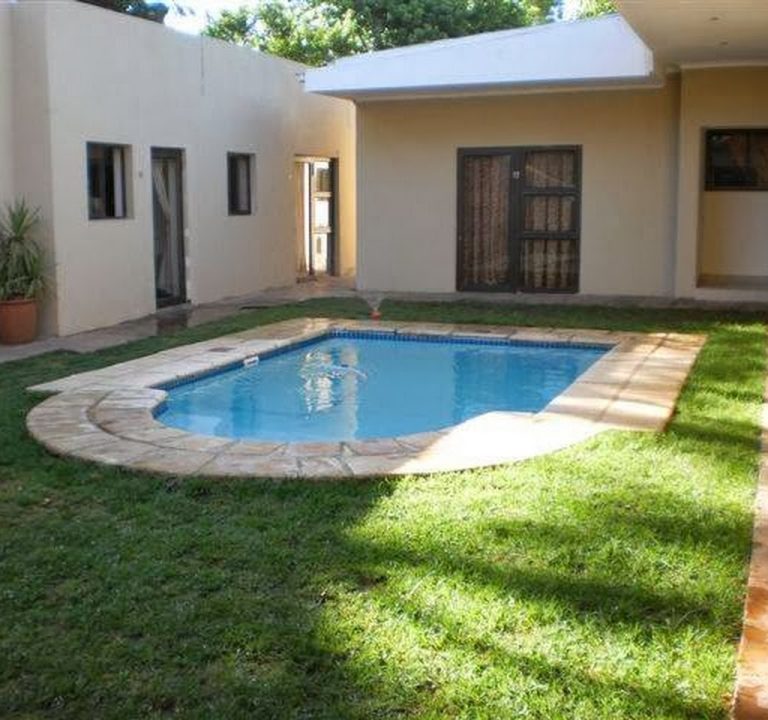
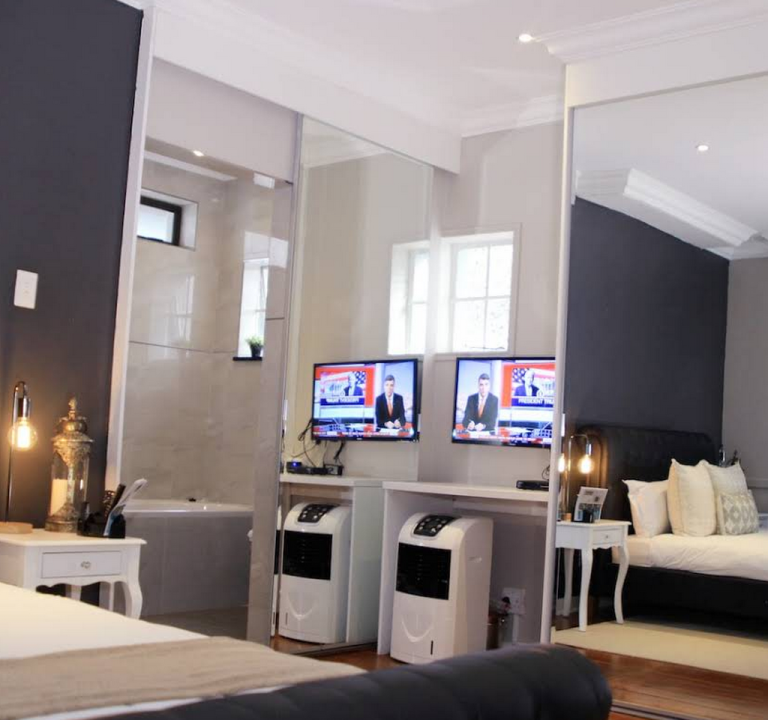
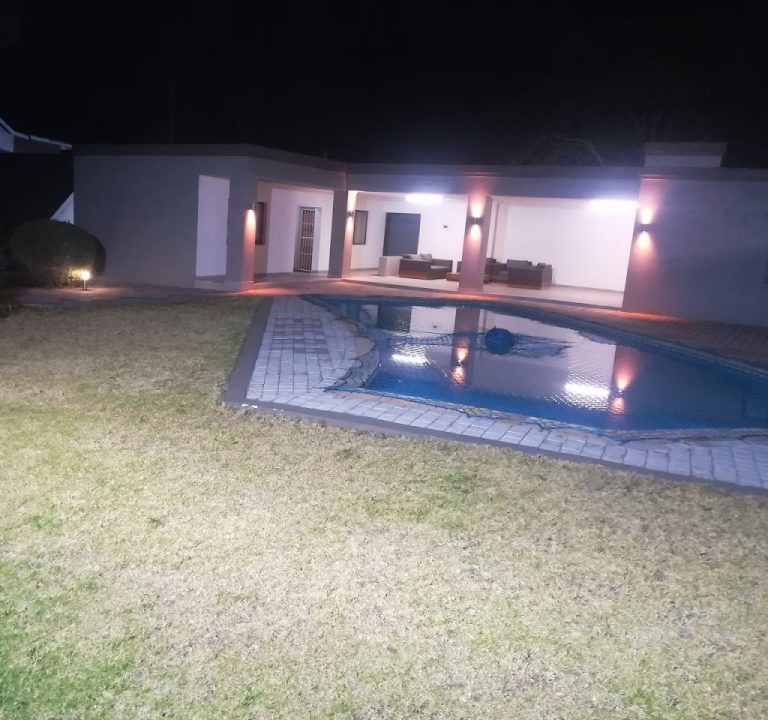
Accommodation in Johannesburg ranges from intimate B&Bs and boutique hotels to modern business hotels and larger guesthouses. When selecting a property, look for easy access to main routes or reliable public transport, secure parking if you are renting a car, and clear information about amenities. For instance, boutique options often emphasise style and personal service, while larger hotels may offer 24-hour reception, on-site dining, and business facilities. A property such as SABABA BOUTIQUE HOTEL & CAR HIRE, noted as a boutique-style option with car hire, illustrates how some stays try to combine creature comforts with practical transport solutions. Always verify what is included in the rate—wifi reliability, breakfast options, laundry services, and whether there are additional charges for parking or safety features such as 24-hour security or secure access.
Typical amenities worth looking for include reliable wifi, comfortable beds with quality linens, climate control or good ventilation, a private or well-maintained en-suite bathroom, and convenient workspaces if you’re visiting on business. In many areas of Johannesburg, a small on-site restaurant or bar can be convenient, though you may wish to explore local eateries within a short drive or ride. If you have mobility needs, check for lift access, ground-floor rooms, and ramped entry where required. For longer stays, check whether the accommodation offers a pantry area, laundry facilities, or a kitchenette so you can prepare meals occasionally.
Transport is a key factor for navigating Johannesburg. Car hire is common, and many travellers prefer the flexibility of driving or organising private transfers. If you do hire a car, opt for properties with secure parking and clear directions for visitors who are unfamiliar with the area. Public transport, including orderly shuttle services, rideshare options, and authorised taxi services, can be sensible alternatives for day trips or evenings out. When planning day-by-day itineraries, factor in time for traffic and the city’s sometimes inconsistent peak-hour conditions. If you are staying near major routes, you’ll usually find it straightforward to reach key attractions and nearby towns.
The best time to visit Johannesburg is generally during the dry winter months or shoulder seasons when daytime temperatures are comfortable and rainfall is limited. Summers (roughly November to March) bring warmth and occasional thunderstorms; if you travel during this period, pack lightweight clothing and a light rain layer. Winter days can be pleasantly mild, but nights may be cool, so a warm layer is useful. Remember that Johannesburg sits at a high altitude, which means days can feel warmer than the air may suggest, and evenings can be cooler than expected. Planning flexible days lets you adjust to weather conditions, especially if you intend to visit outdoor markets or gardens.
When planning an itinerary, balance must-see museums and cultural experiences with opportunities to enjoy the city’s dining scene and markets. Johannesburg offers a broad spectrum of attractions suitable for all interests, from historical insights and art collections to open-air markets and trendy neighbourhood walks. In terms of dining, you’ll find a range of options from casual cafés to more contemporary eateries offering diverse cuisines. Keep in mind that some experiences are seasonal or require advance booking, so it’s wise to check opening hours and any booking recommendations ahead of your trip.
Practical tips to help you get the most from your stay:
- Choose a centrally located base if you want easy access to several neighbourhoods on foot or via short rides.
- Verify parking and security features, especially if you plan to rent a car.
- Confirm included amenities such as breakfast, Wi‑Fi reliability, and laundry facilities for longer visits.
- Plan a mix of cultural sights, markets, and relaxed dining experiences to balance activity with downtime.
- Pack layers for variable daytime warmth and cooler evenings, particularly in shoulder seasons.
Whether you are visiting for business, culture, or family adventures, Johannesburg rewards thoughtful planning. By selecting a well-situated stay, understanding transport options, and tailoring your days to the city’s rhythms, you can enjoy a comfortable, authentic experience without unnecessary stress. Website details for individual properties can provide up-to-date information on room types, rates, and on-site facilities, so you can compare options and choose a base that aligns with your itinerary and budget.