Accommodation and Experiences in Johannesburg, Gauteng: Where to Stay and What to Do
Johannesburg, often called Jo’burg or Jozi, offers a vibrant mix of urban culture, contemporary design and easy access to natural scenery. When planning a stay, think about the city’s distinct neighbourhoods, as each area has its own flavour and rhythm. For a comfortable base with character, consider options such as a traditional maison d’hôtes in a leafy suburb, a boutique hotel in the city centre, or a guesthouse in a residential pocket that feels a little more local. A well-placed stay can cut down transit time and sharpen your sense of the city’s daily life.
Areas to consider include the northern suburbs, where secure guesthouses and small boutique hotels often blend convenience with a more relaxed atmosphere. Melrose and Rosebank are popular choices for visitors who want approachable dining, easy access to the Gautrain network, and proximity to shopping precincts. The central business district has been reshaped in recent years with stylish, smaller-scale properties that place guests near theatres, galleries and a lively street-food scene. For a more cosmopolitan, arts-forward vibe, neighbourhoods around Maboneng and Braamfontein offer modern guesthouses and boutique stays within walking distance of cafés, markets and nightlife. If you’re seeking a quieter weekend away, certain northern suburbs provide green spaces, secure parking and a calmer pace while still being convenient for day trips.
What to look for when booking a stay in Johannesburg matters as much as what you do while you’re here. Consider:
- Security and access: Look for properties with clear arrival procedures, reliable entry systems, and well-lit surroundings.
- Access to transport: Proximity to Gautrain stations or major bus routes makes day trips and airport transfers simpler. If you’ll be renting a car, check on-site parking availability and gate access.
- Room configuration and amenities: A comfortable bed, sufficient storage, a private en-suite bathroom, good wifi, and thoughtful touches such as a kettle with tea and coffee facilities can make a big difference.
- Breakfast and meals: Decide whether you want a full breakfast, or the flexibility of self-catering options, especially if you’re exploring a range of dining experiences in the city.
- Common spaces and guest services: Lobbies, lounges, outdoor spaces and staff who can provide local hints about markets, galleries, and easy day trips add real value to a stay.
Practical planning tips help you get the most from Johannesburg. For transport, the Gautrain offers a fast link between the airport and key northern and central hubs, while Uber and other ride-hailing services remain widely available. If you’re comfortable driving, many areas are well served by well-maintained roads, though traffic can be heavy at peak times. When it comes to timing, the city enjoys pleasant weather in spring and autumn (roughly September to November and March to May), with summer bringing warmer days and occasional late-afternoon showers. Winters are generally mild, but mornings can be cool, so packing a light jacket is wise.
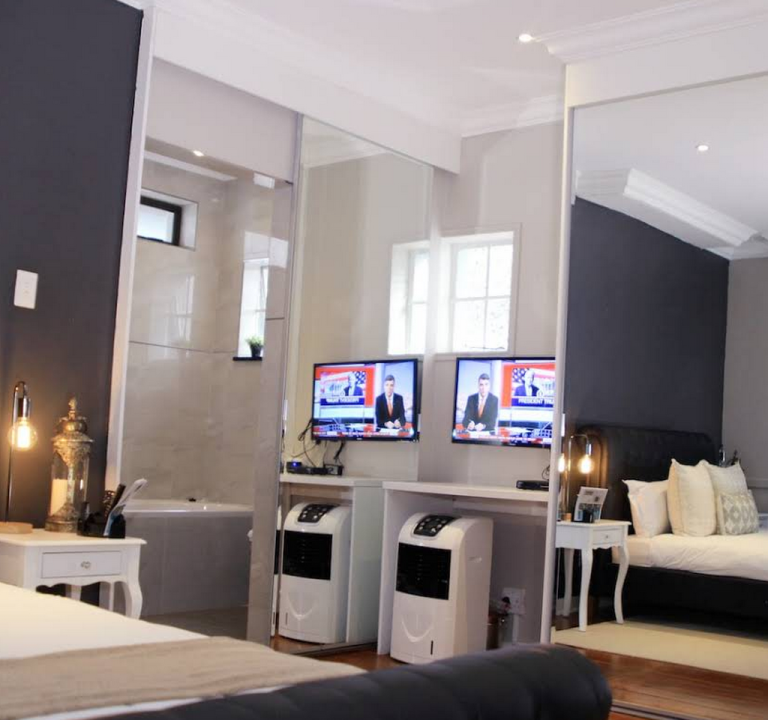
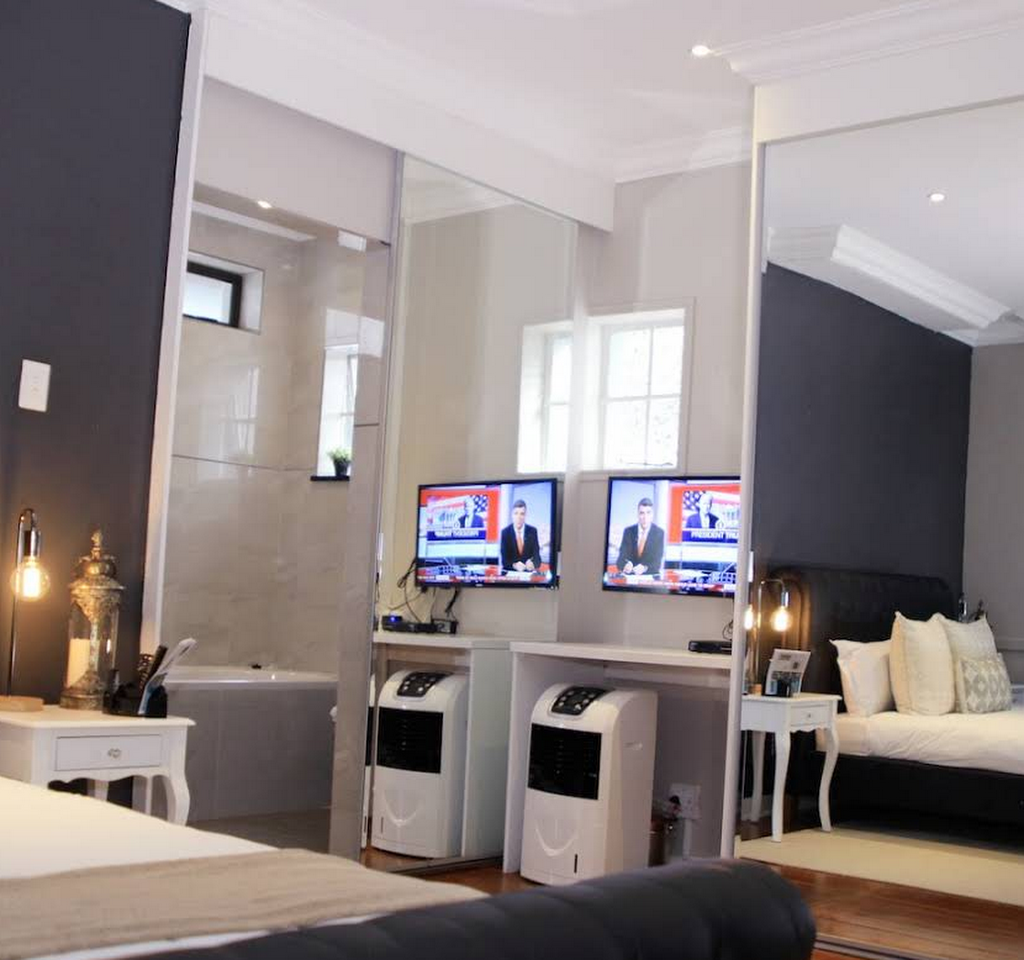
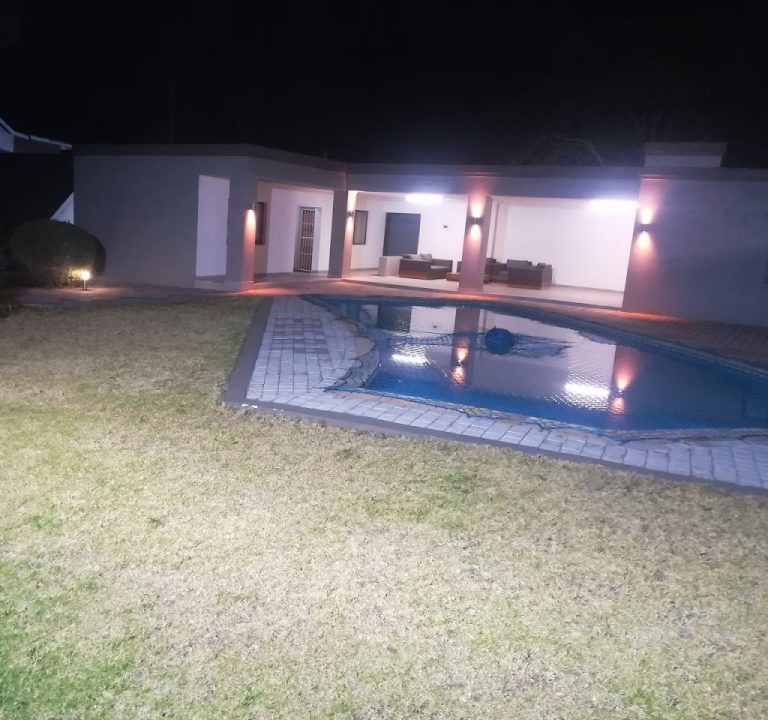
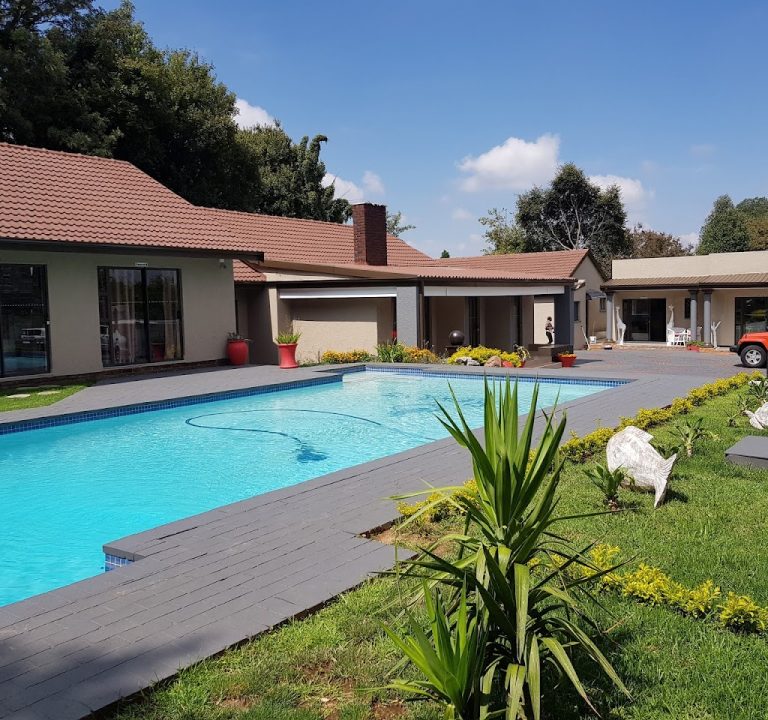
Typical amenities you might encounter in well-rated accommodation include free Wi-Fi, secure parking, daily housekeeping, on-site dining or easy access to nearby cafés, and guest services such as airport transfer assistance or local tours. Some properties offer a curated experience, with personal recommendations for markets, art studios, and gastronomic spots that reflect Johannesburg’s diverse cultures. If you’re staying in Melrose or nearby, a traditional maison d’hôtes such as Kiendo Bed and Breakfast Melrose can provide a home-from-home atmosphere, with attentive hosts and a focus on comfort and simplicity in a residential setting.
Attractions and experiences in and around Johannesburg range from nature escapes and museums to art districts and culinary explorations. You might plan days centred on meaningful cultural highlights, followed by evenings sampling a spectrum of dining options—from modern, inventive eateries to casual, vibrant markets and family-run eateries. While you’ll find many venues and tours described in visitor guides, a balanced approach is best: mix a few planned visits with time to wander streets, pop into galleries, and pause at coffee shops or bookstores that give a sense of daily life in the city.
When planning a visit, content-rich experiences can be built around neighbourhood explorations, food markets, and garden or park spaces where locals gather. Use reputable resources to identify venues that match your interests, but also leave room for serendipity—an unexpected art installation, a small jazz performance, or a pop-up market can become the memorable highlight of a trip. For bookings, consider platforms that highlight guest experiences and host recommendations, and check recent guest reviews for notes on safety, ease of communication, and the consistency of service.
In short, Johannesburg rewards travellers who balance comfortable accommodation with a flexible itinerary. Choose a neighbourhood that suits your pace, prioritise properties with practical amenities and reliable transport links, and leave space for spontaneous discoveries in the city’s dynamic culinary and cultural scenes. A thoughtful base—whether a cosy maison d’hôtes in Melrose or a stylish boutique stay elsewhere—can set the tone for a rich and enjoyable Gauteng journey. For more ideas, you can explore general visitor information and current travel tips online to tailor your stay to your interests and pace.