Johannesburg: A Traveller’s Guide to Accommodation and Experiences
Johannesburg, Gauteng’s vibrant gateway to South Africa, offers a wide range of places to stay and a wealth of experiences that suit all styles of travel. When planning a visit, think about your preferred neighbourhood, your lifestyle during a trip, and how you will move around the city. From boutique guest houses to family-run lodges, you can find comfortable spaces that feel like a home from home while you explore this dynamic metropolis.
Areas to consider for your stay include the northern corridors around Sandton and Rosebank, known for their shopping, dining, and straightforward access to major highways and the Gautrain. Braamfontein and Maboneng in the inner city offer a blend of heritage, cafés, and creative spaces, ideal for travellers who enjoy a lively urban atmosphere. For a more relaxed vibe with easy access to parks and green spaces, Melville and Houghton provide charming options close to universities and city views. If you’re travelling with family or seeking a quieter setting, Rosebank and surrounding suburbs often feature guest houses and boutique hotels with security and convenient transport links.
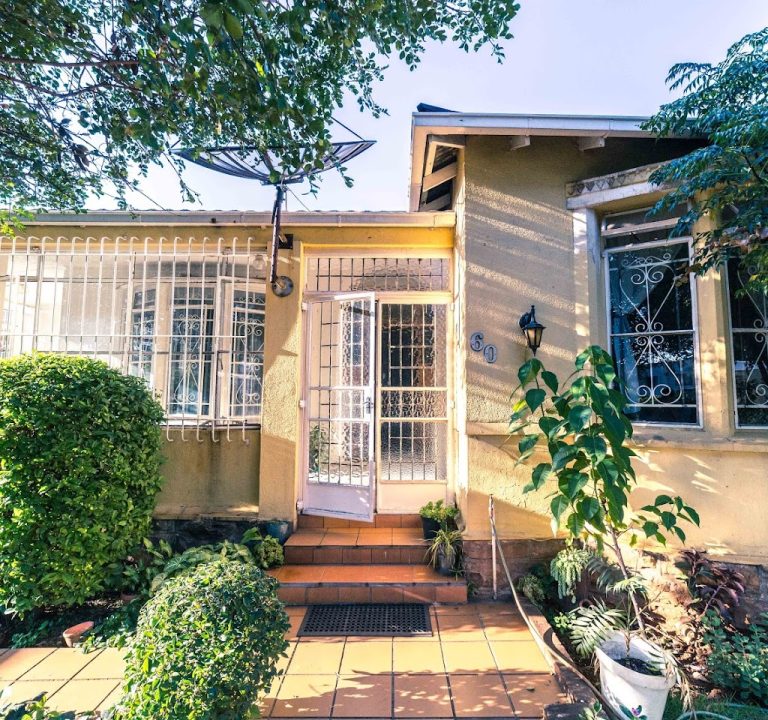
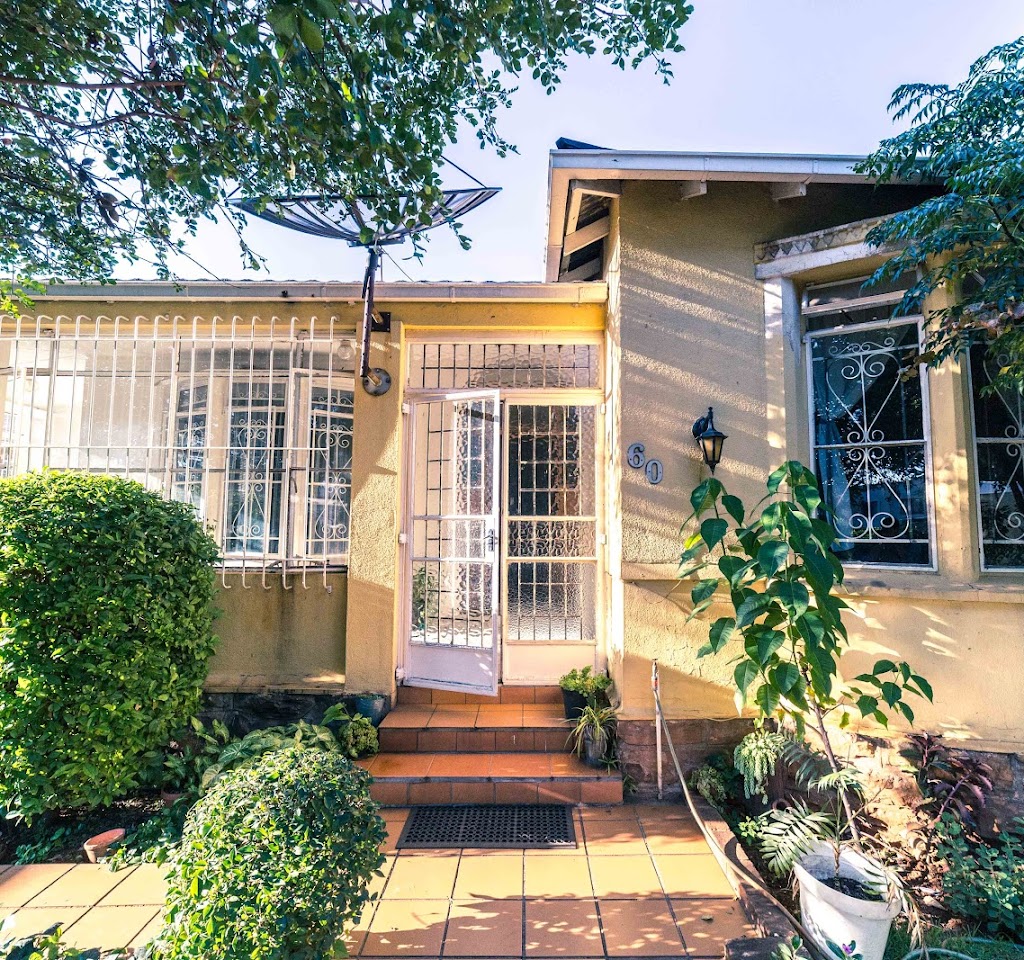
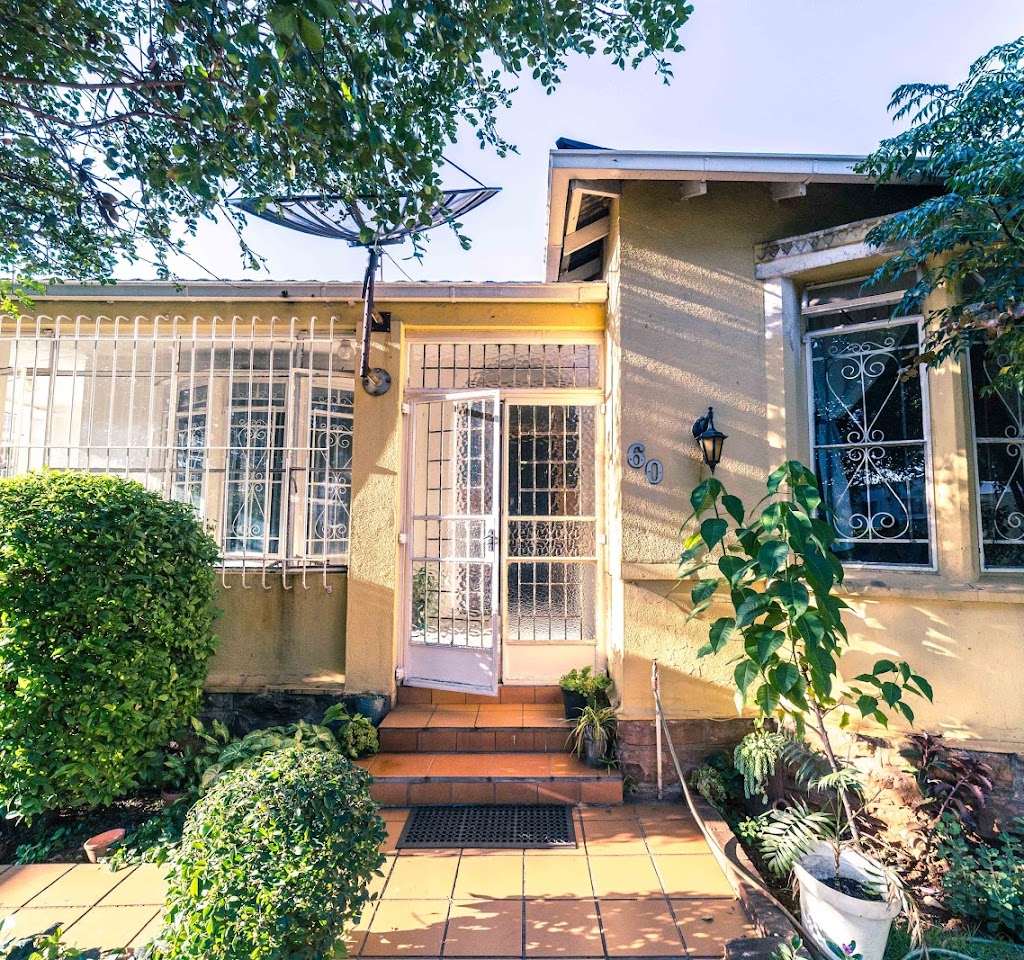
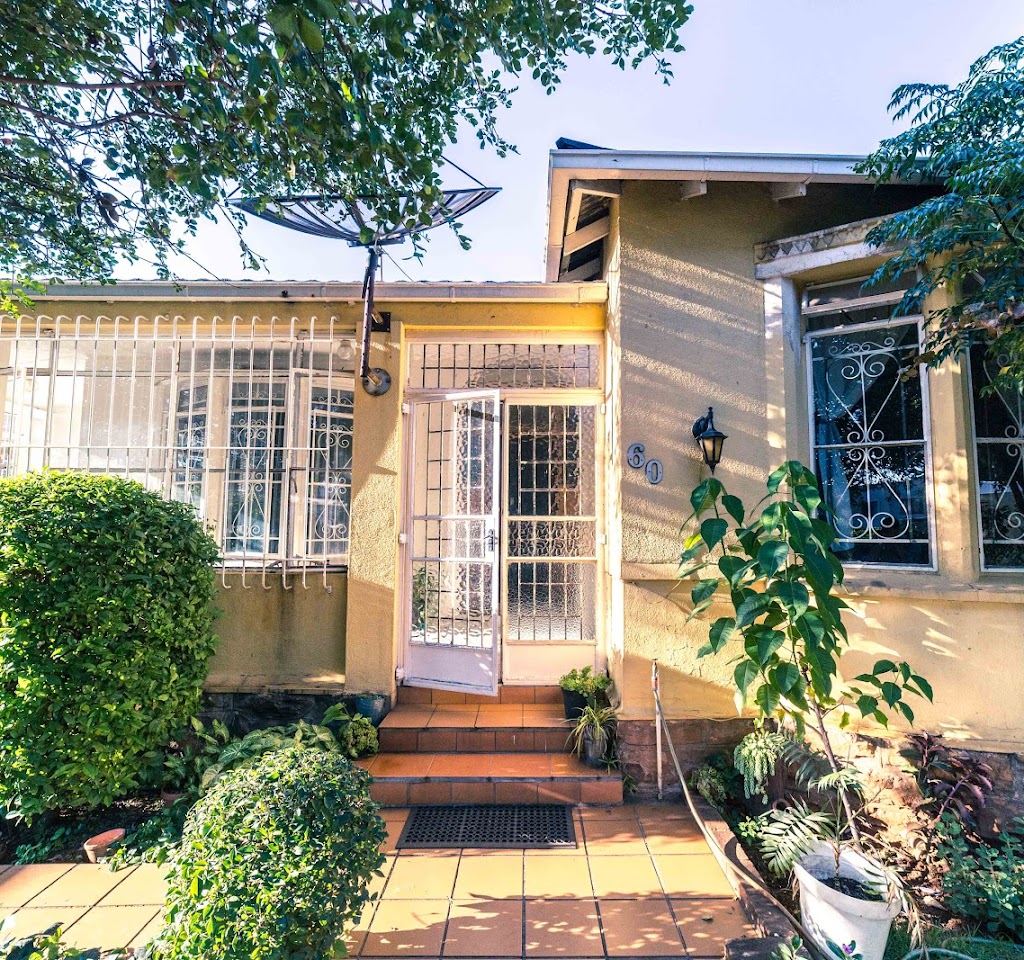
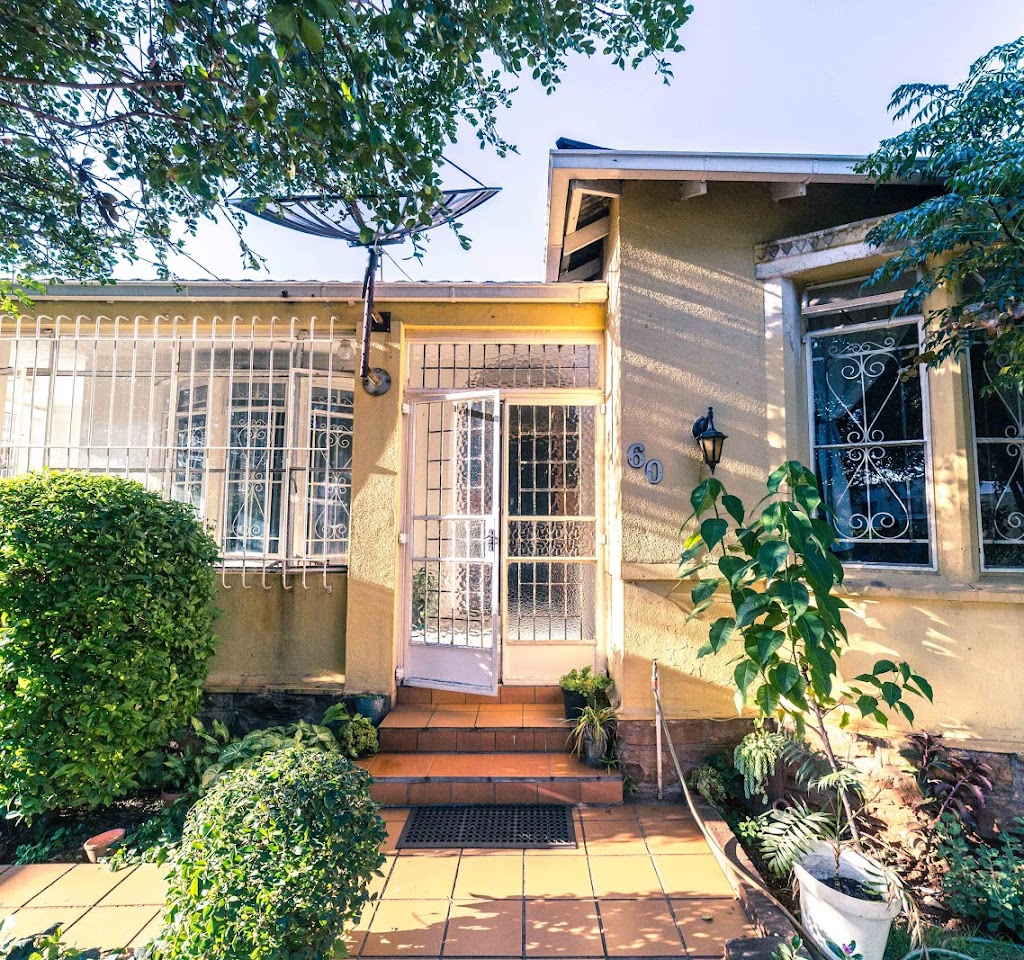
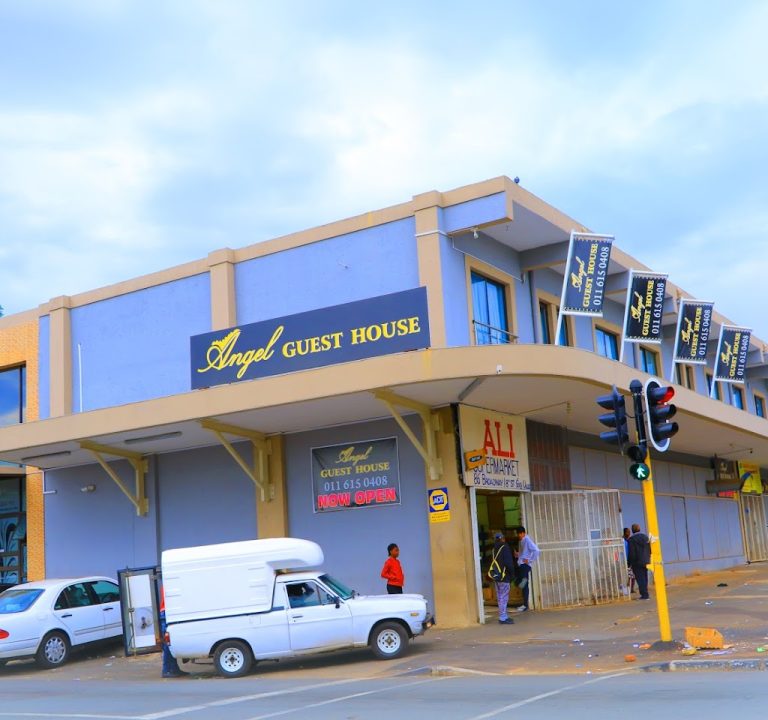
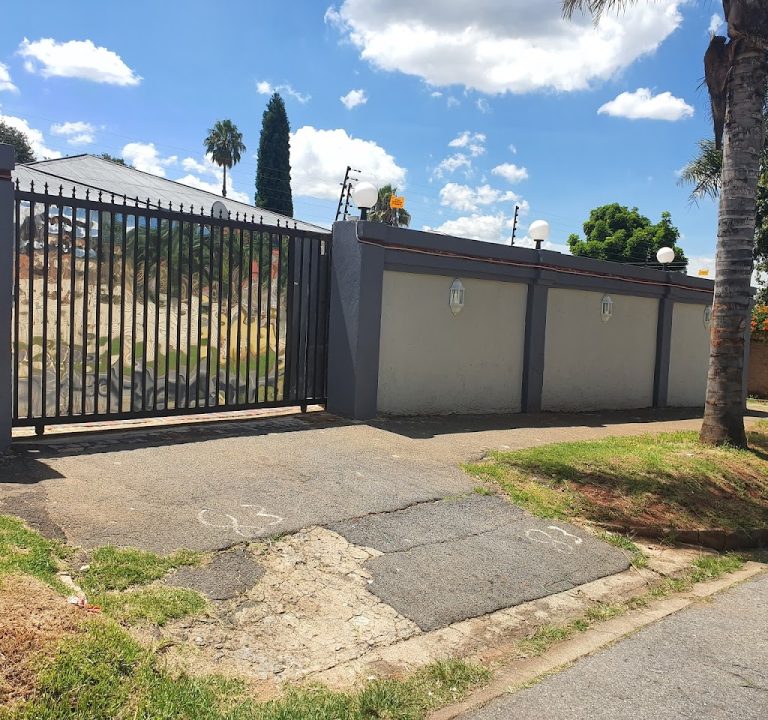
Accommodation options range from intimate guest houses to stylish boutique hotels. A guest house such as Rosegarden Guest House can provide a personalised stay with homely comforts and a focus on friendly service. When choosing a place to stay, consider the following typical amenities and features: private or en suite bathrooms, Wi‑Fi, secure parking, breakfast options, and on-site staff who can offer local recommendations. Look for properties that clearly state access to reliable transport links, ease of parking, and 24‑hour security where needed. A well-situated base near a Gautrain station or along bus routes can make day trips and evenings out more convenient.
Practical planning tips for Johannesburg: book with a little flexibility, especially if travelling during peak holiday periods or major events. Check the room size and configuration if you are travelling with family or in a small group. Review the cancellation policy and whether breakfast is included or available as a add‑on. Confirm whether the property offers luggage storage if you arrive before check‑in or depart after checkout. For travellers with mobility considerations, verify accessibility features such as ground-floor rooms and grab rails in bathrooms. If you are staying in a busy area, ask about sound levels and the surrounding street activity to ensure a restful night’s sleep.
Transport in Johannesburg is well supported by several modes. The Gautrain provides rapid rail links to Pretoria and the OR Tambo International Airport, making day trips straightforward. Local taxis, ride-hailing services, and some guest houses offering airport transfers can help you navigate shorter distances. When planning outings to hotspots or markets, a central base in Rosebank or Sandton often reduces driving time and parking challenges. If you prefer a self‑driven stay, ensure your accommodation has secure on-site parking, or inquire about nearby parking options, especially in inner-city districts where spaces may be limited.
Best time to visit Johannesburg generally aligns with pleasant weather from late spring to autumn in the southern hemisphere. The city enjoys warm summers with occasional showers and cooler, drier winters. If you are aiming to combine city sightseeing with outdoor activities, consider shoulder seasons to enjoy comfortable temperatures and fewer crowds. Keep in mind that afternoon thunderstorms can be common in certain months, so pack a light rain jacket and comfortable walking shoes.
While in the city, common attractions tend to blend history, culture, and urban life. You might plan a day to explore or learn about South Africa’s past, visit significant national sites, or enjoy markets and craft hubs that celebrate local design and cuisine. Restaurants across Johannesburg span casual cafés, modern bistros, and fine dining, offering a range of dishes and flavour profiles. Rather than focusing on specific names or prices here, look for places with strong reviews for safe neighbourhoods, family‑friendly service, and options that suit dietary preferences. A good plan is to ask your host or guest house staff for trusted local recommendations that match your tastes and budget, and to reserve tables where possible during busy periods.
As part of a well-rounded stay, consider some lighter itineraries that connect accommodation with easy day trips. You could base yourself near a well-connected hub and venture to nearby parks, markets, and cultural centres, returning to a comfortable room for the evening. If you prefer guided experiences, local operators offer historical and cultural tours focused on different facets of the region. Always confirm the duration, inclusions, and meeting points of any tour before booking, and ensure that safety considerations and inclusivity are clearly communicated.
To help you visualise a stay, here is a sample accommodation option described in brief terms. Rosegarden Guest House is an example of a guest house approach that blends hospitality with a sense of place. It may offer thoughtfully designed rooms, warm service, and easy access to transport routes, making it a convenient base for exploring northern Johannesburg and nearby attractions.
- Security and lighting around the property
- Clear information on transport options and travel times
- Quality bedding and quiet rooms for restful nights
- On-site or nearby parking arrangements
- Flexible breakfast or dining options
Planning a stay in Johannesburg can be enjoyable and straightforward when you align your accommodation with your itinerary, transport preferences, and the kind of experience you want—whether that’s a peaceful retreat in a leafy suburb or an energetic base near the city’s markets and museums. With careful selection, you’ll be able to explore the city’s breadth, enjoy its diverse cuisine, and return to a comfortable, well‑located home away from home each evening.