Johannesburg: A Traveller’s Guide to Accommodation, Areas, and Getting the Most from Your Visit
Johannesburg, or Jo’burg, is a vibrant gateway to South Africa’s diverse experiences, from dynamic city life to nearby natural beauty. Choosing the right place to stay can shape your whole visit, so it helps to think about what kind of base will suit your plans—whether you’re here for culture, business, family adventures, or a mix of everything. The city has a wide range of options, from stylish hotels and boutique guesthouses to boutique apartments, each with its own neighbourhood flavour and amenities.
One useful starting point is understanding the main areas where visitors often choose to stay. The northern suburbs offer a calmer, more residential feel with easy access to the city’s business districts and shopping centres. The central and northern city areas have been rejuvenated with modern hotels and lively dining scenes, making them convenient for exploring on foot or by short rides. Morningside and Sandton provide a polished, cosmopolitan base closer to corporate hubs and high-end experiences, while Maboneng and the Newtown precinct reveal a more artistic, creative side of the city with street art, markets and galleries. South of the city bowl, parks and nature reserves offer greener retreats, and the southern townships provide a window into South Africa’s history and resilience—often with guided tours that add depth to a stay.
When you book, look for a few key features to ensure comfort and practicality. A well‑equipped room with good lighting and secure access is essential, especially in the city. Many visitors appreciate air conditioning or effective heating, reliable Wi‑Fi, and a pleasant reading or work space. On-site dining options, a 24‑hour reception, and helpful staff who can tailor recommendations are real advantages. If you plan to explore at your own pace, a property with thoughtful transport information, such as proximity to taxi services or ride‑hailing pick‑ups, can save time. For families or longer stays, consider accommodation with a kitchenette or a lounge area, and note whether the facility provides laundry services or a washing area.
Practical planning tips can make a big difference. Johannesburg is a sprawling city, so the choice of neighbourhood often determines travel times and daily rhythms. If you want to be within reach of galleries, markets, and a lively dining scene, stay near Braamfontein, Maboneng, or the M1 corridor connecting Sandton and the city centre. For a quieter weekend, convenient access to green spaces, parks, and family-friendly attractions can guide you toward the northern suburbs or near the university precincts. Budget and duration will also shape your choice; short city breaks may favour centrally located hotels or stylish guesthouses that offer easy access to major attractions and public transport. For longer stays, a serviced apartment or a guesthouse with a kitchen can provide comfort and flexibility.
The seasonal rhythm of Johannesburg also matters. The city enjoys a mild winter and warm summers. The dry season (roughly May to September) is often excellent for outdoor activities and safaris in nearby areas, while the wetter months can bring lush landscapes and occasional showers. If you’re planning outdoor excursions or day trips to nearby nature reserves, timing around school holidays and public holidays can influence crowds and availability in popular areas. Spring and autumn are typically pleasant for city strolls, rooftop drinks, and exploring markets without extreme heat.
Transport in Johannesburg is well served by a mix of highways, rental cars, ride‑hailing services, and public transport options. If you don’t want to drive, consider locations with good access to metro routes, MyCiti bus services, or ride‑hailing pick‑ups. Safety is a practical consideration in any urban setting: choose well‑reviewed properties that prioritise secure entrances, and always ask staff for current advice about safe routes for walking at night. If you plan a few day trips outside the city, look for hosts or hotels that can arrange guided tours or provide recommended operators for trips to nearby national parks, historic sites, or winelands in the region.
When it comes to experiences beyond the hotel, Johannesburg offers a broad spectrum of attractions and dining to suit many tastes. General themes include contemporary art and design districts, historic museums that tell the story of the city and the region, markets with crafts and fresh produce, and a restaurant scene that ranges from traditional favourites to modern, innovative cuisine. For a personalised feel, many visitors enjoy a short trail of neighbourhood eateries and cafés in the core districts, offering a blend of local flavours and international influences. You can also look for guided tours that focus on local history, street art, or culinary journeys to gain deeper insights into the city’s tapestry.
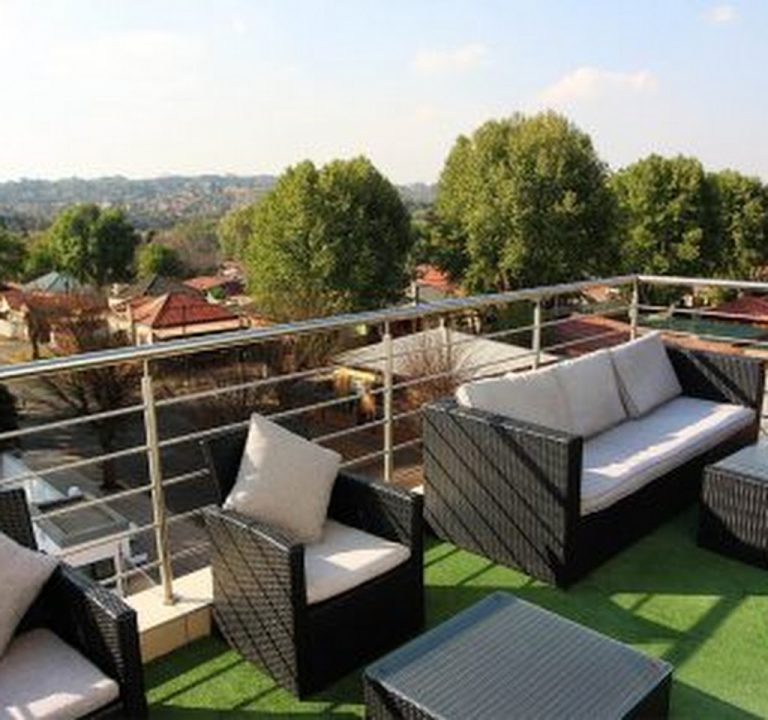
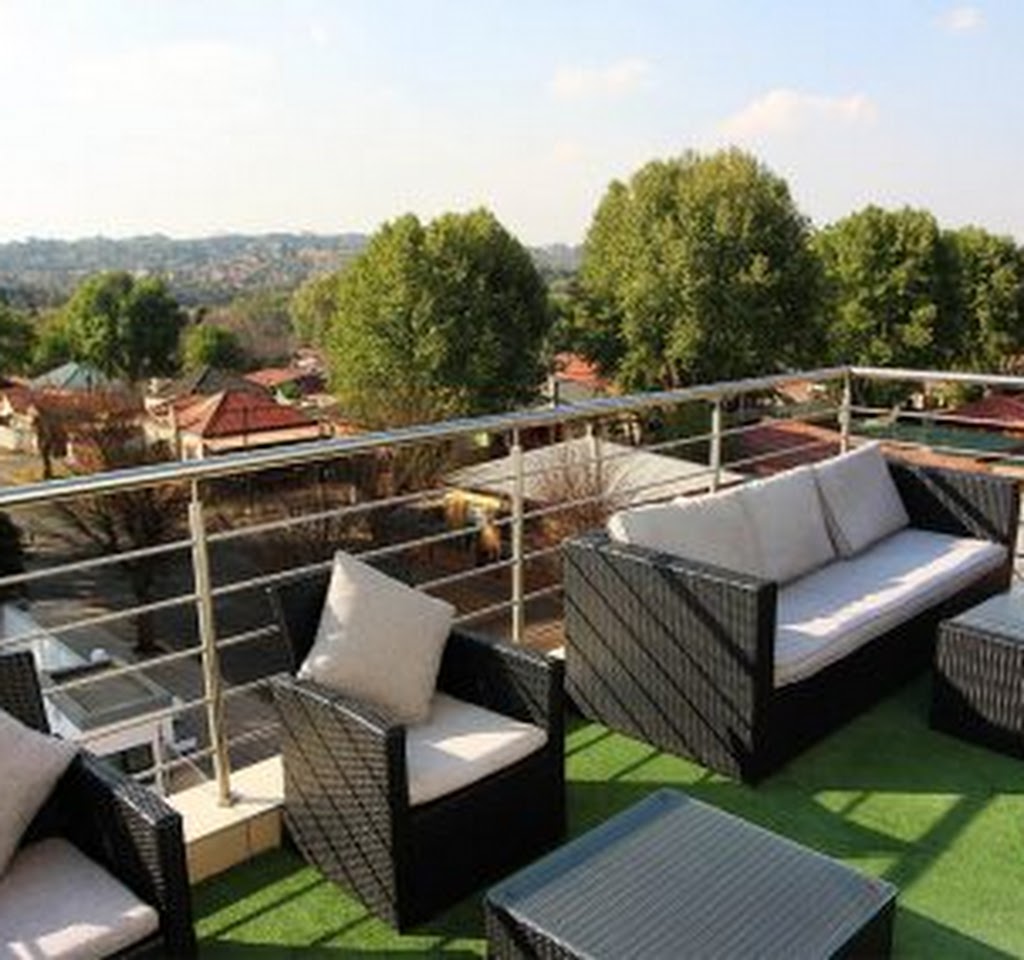
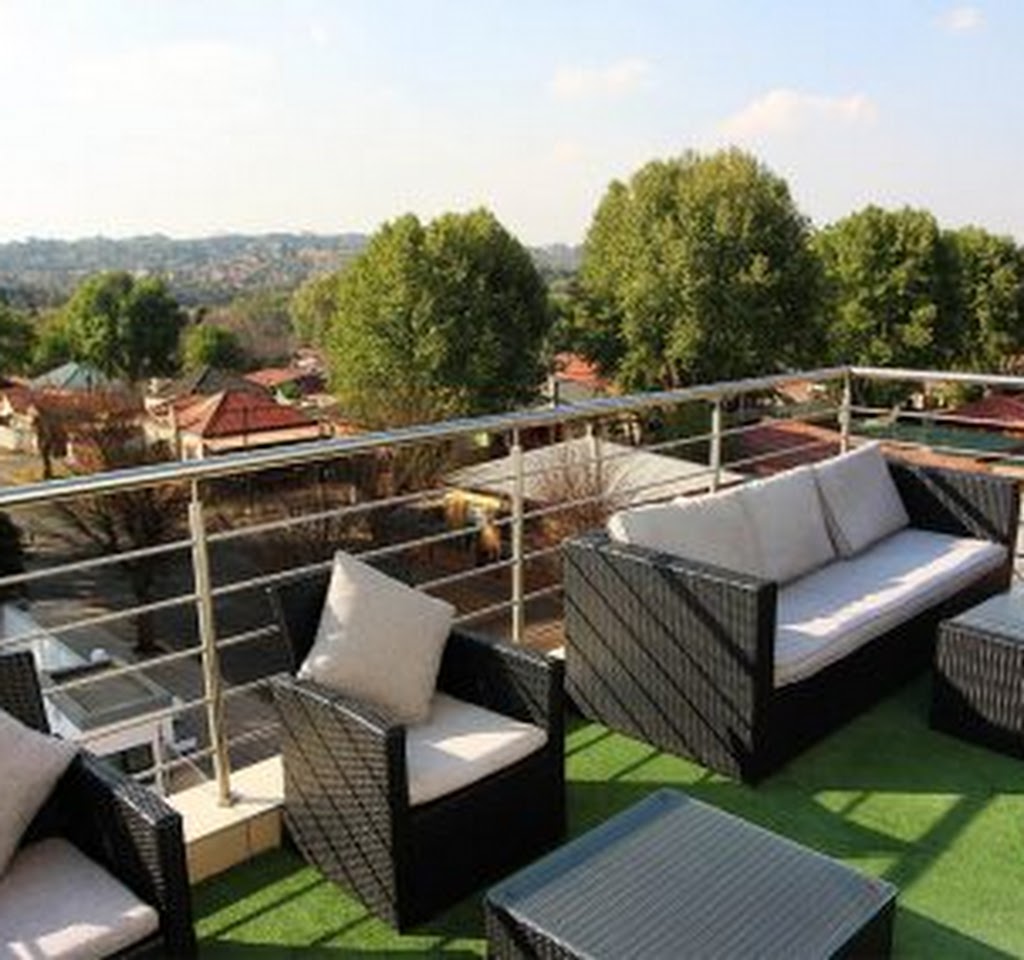
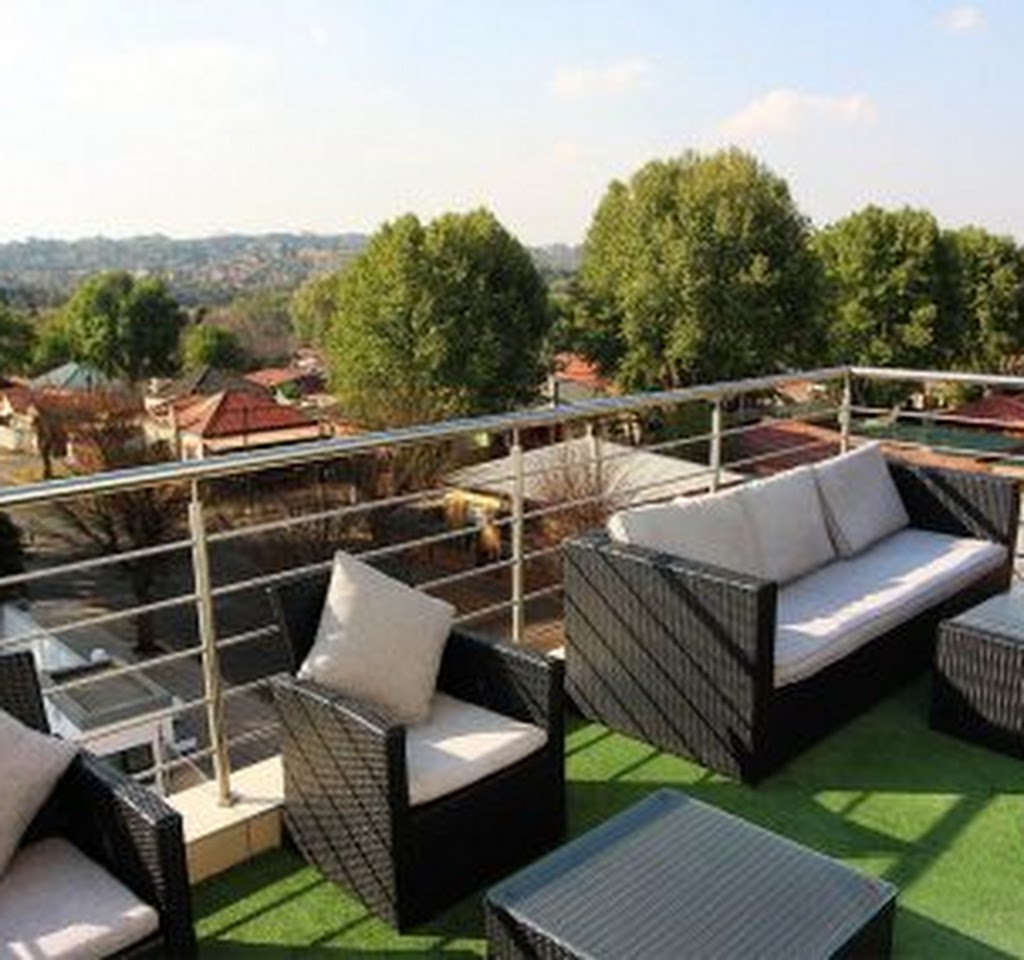
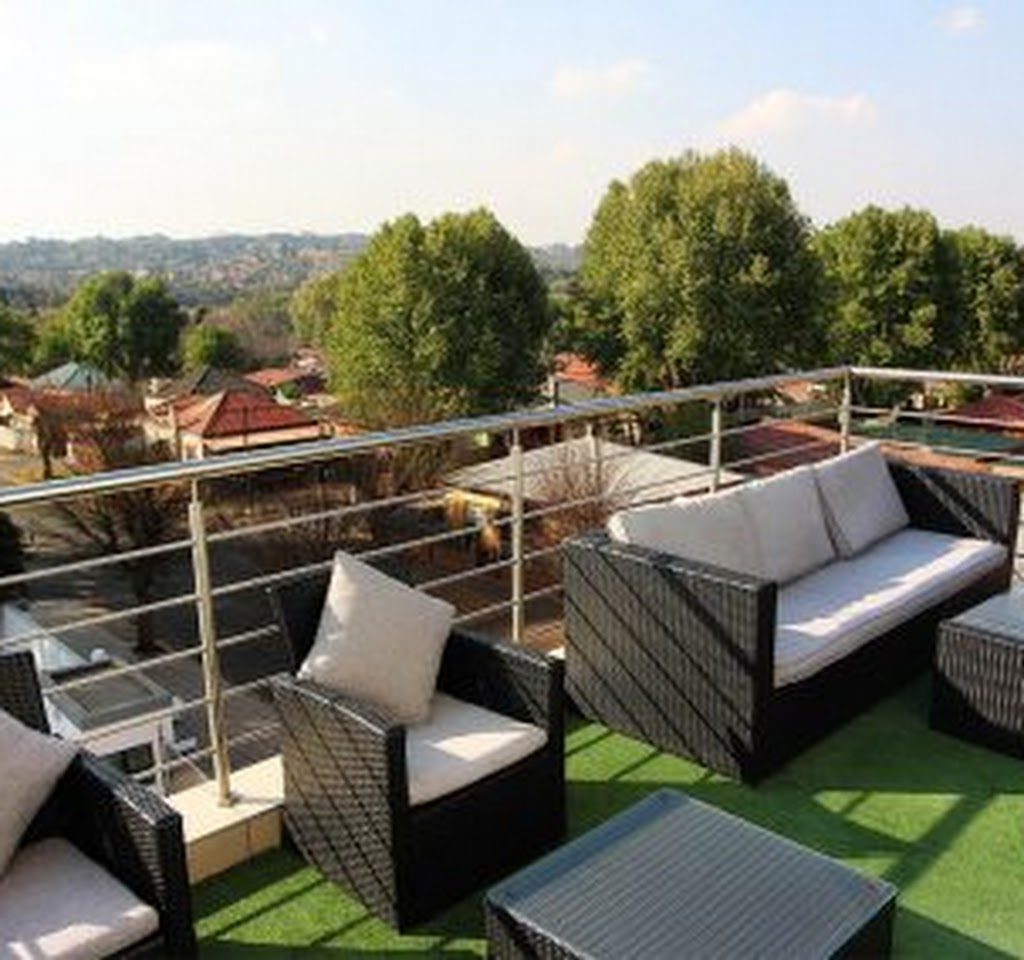
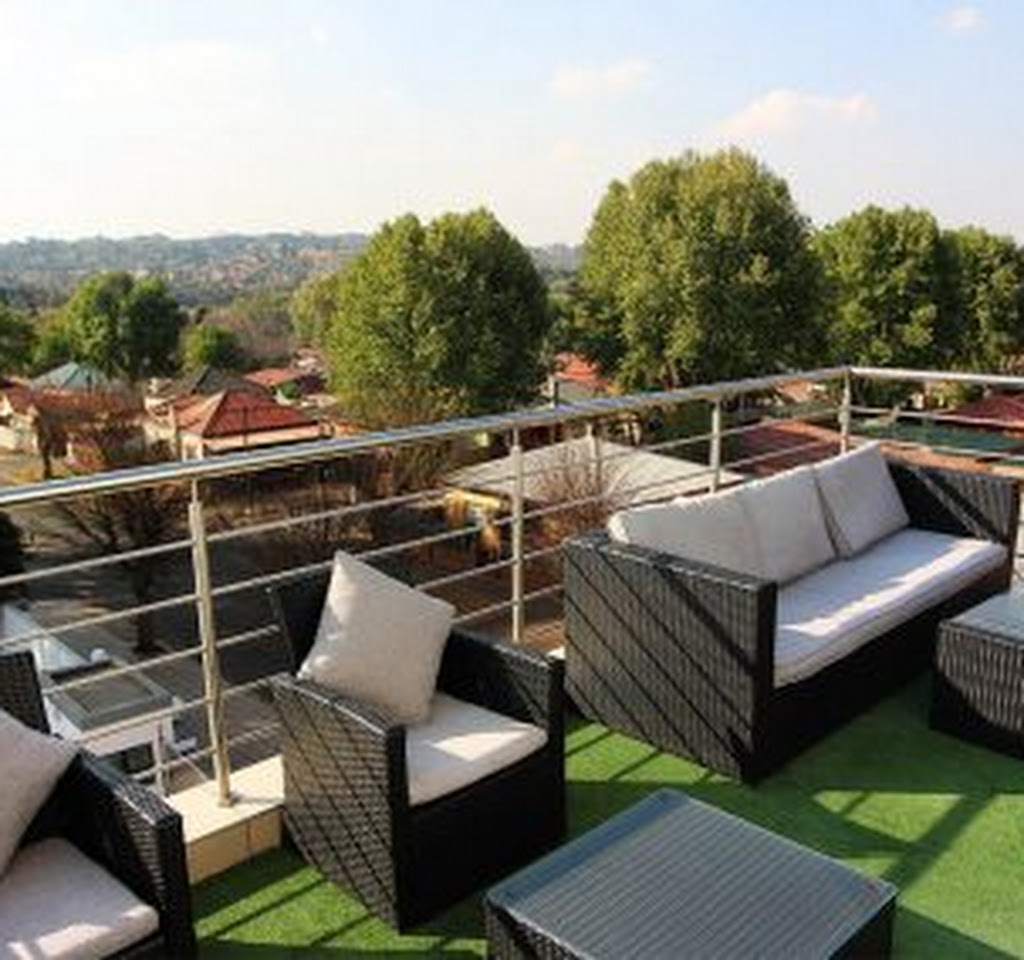
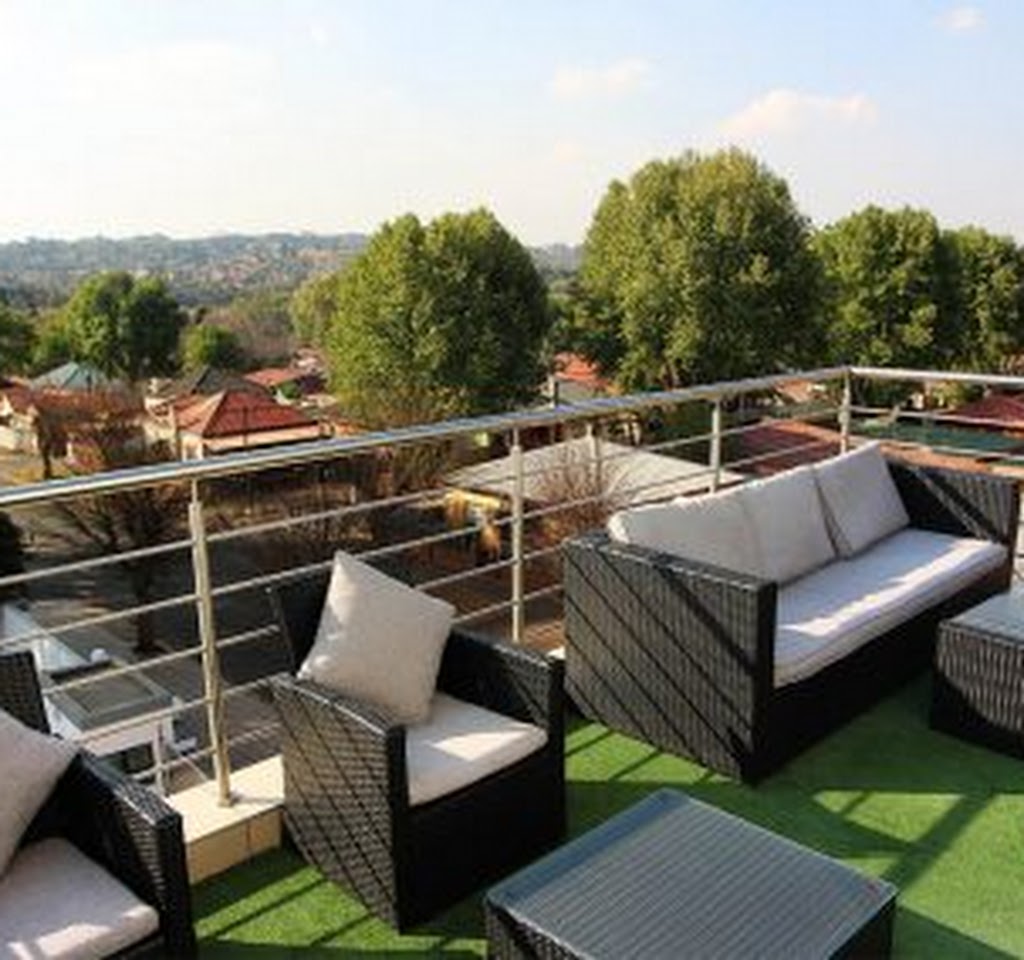
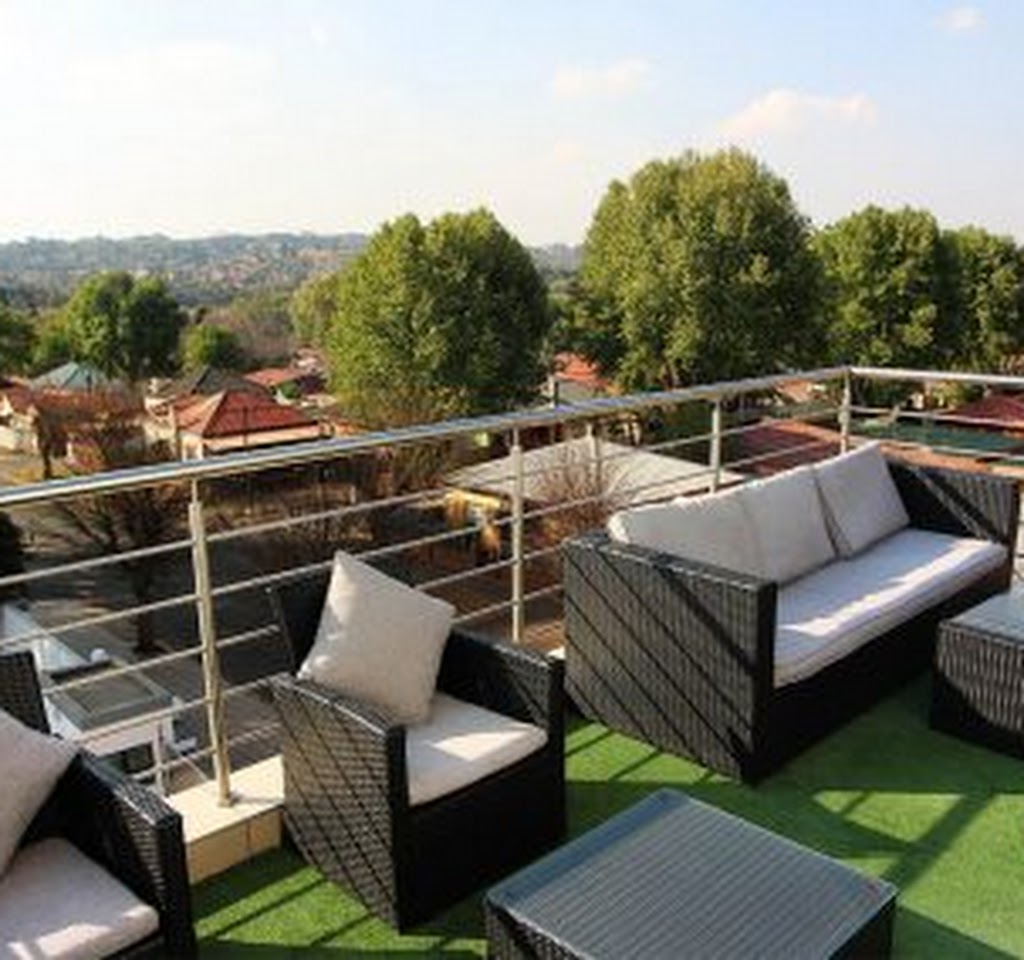
Fixture example: Garden Top Hotel, a property that showcases a straightforward, central stay with access to local sights. For those who wish to explore further, the hotel’s website provides details about room types, facilities, and nearby attractions. Garden Top Hotel offers a convenient anchor for planning a short break or a longer stay while you discover Johannesburg.
- Areas to consider: central city districts for convenience; northern suburbs for quieter stays; artistic precincts for culture and dining.
- Amenities to prioritise: reliable Wi‑Fi, secure access, in‑room comfort, on‑site dining or easy restaurant options, and helpful staff for local tips.
- Transport tips: assess proximity to main roads, access to ride‑hailing, and options for public transport or short walks to attractions.
- Best time to visit: spring and autumn for pleasant weather; winter for comfortable city exploration and event calendars; plan around local holidays if possible.
With thoughtful planning, your stay in Johannesburg can blend comfortable accommodation with easy access to the city’s diverse experiences. Consider what you most want from a trip—artistic city life, business convenience, family-friendly days, or a blend of nature and culture—and choose a base that supports those priorities. A well‑located hotel or guesthouse can become the starting point for memorable days and relaxed evenings, whether you’re exploring museums, markets, or nearby parks after an energising day out.