Cape Town: Where to stay, what to plan, and the essentials for a memorable visit
Cape Town is a city of contrasts, offering coastal beauty, mountains, vibrant neighbourhoods and world-class dining. For visitors seeking accommodation, there is a wide range of options from cosy self-catering suites to stylish guesthouses and modern hotels. A well-planned stay can maximise your time, whether you are after a tranquil escape, a culture-rich city break, or a base for exploring famous wine routes and coastal scenery.
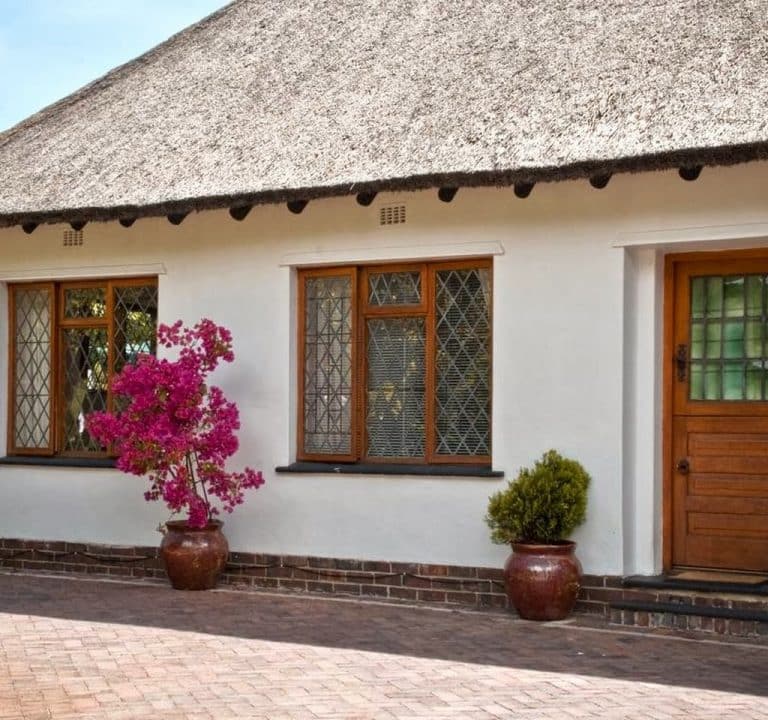
When choosing where to stay, consider the segments below to match your itinerary and pace. The historic City Bowl and the vibrant central areas provide ready access to museums, markets and strolls along the green spaces that thread through the city. The Atlantic Seaboard, including areas such as Camps Bay and Sea Point, offers dramatic ocean views, beaches and a more resort-style ambience. Green Point and the V&A Waterfront are convenient for accessing attractions and public transport. For a quieter, wine-country vibe, Constantia or the nearby areas in the Cape Winelands deliver larger properties and serene mornings with mountain backdrops. If you plan longer stays or a family-friendly setup, many self-catering options, including suites like Rosedale Guest Suite, can provide the flexibility of a home away from home.
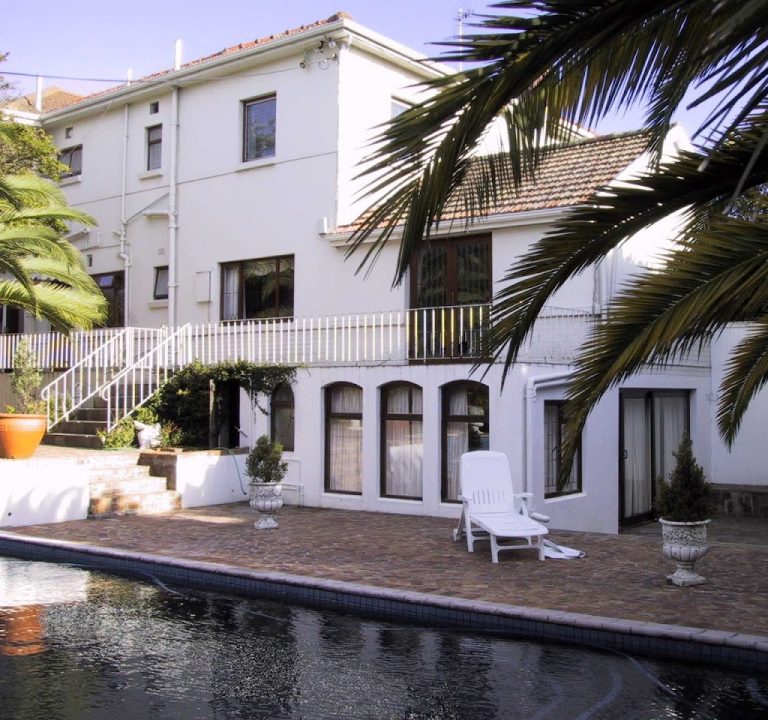
Typical amenities across Cape Town accommodation focus on comfort and convenience. You can expect secure parking or easy access to public transport, reliable Wi‑Fi, well-equipped kitchens or kitchenettes in self-catering options, and efficient heating or cooling. Some properties offer outdoor spaces, pool areas, and off-street access, which can be a bonus for families or travellers seeking quiet corners after a busy day of sightseeing. When booking, read whether the property provides essentials such as fresh linen, laundry facilities, and daily housekeeping, and check policies about cancellation and key collection. A short walk or drive to beaches, promenades, or markets can make a big difference to daily plans.
Transport in Cape Town is straightforward but varies by area. The MyCiTi bus network is useful for city routes and the waterfront, while Uber and other ride-hailing services are widely available for quicker journeys. If you plan day trips to the Cape Peninsula, Constantia wine route, or the Winelands, consider whether your accommodation offers parking or if you’ll need a rental car. Some guesthouses and self-catering units are easy to reach by taxi or rideshare from city hubs, but others may sit on steeper hills or quieter streets where a car is more convenient.
Best time to visit Cape Town balances weather and crowds. The spring months (September to November) bring wildflowers, milder temperatures and longer days, making it excellent for outdoors and hiking. Autumn (March to May) offers pleasant conditions, fewer crowds, and comfortable sightseeing weather. Summer (December to February) is peak season, with lively coastal beaches and bustling markets, but higher prices and more visitors. Winter (June to August) is cooler and often wetter, yet it can be a good time for indoor culture, wine tastings, and fewer queues at popular sites.
Practical planning tips help you make the most of your stay. It’s worth plotting a rough itinerary that groups sights by geography to minimise long commutes. If you enjoy being near the water, consider staying within walking distance of the V&A Waterfront, Green Point or Sea Point, where shops and restaurants cluster together. For a calmer base with easy access to hiking and scenic viewpoints, a neighbourhood higher up the slopes of Table Mountain or in Constantia can provide quicker starts to day trips without the bustle of the city centre. If your visit includes markets, galleries or street food, check opening hours in advance as these can vary by season.
When choosing accommodation, think about the kind of experience you want. Self-catering options like compact suites or larger apartments suit travellers who relish home-like facilities and the flexibility to cook their own meals. Guesthouses and boutique hotels offer more personalised service, with insights into the neighbourhood, restaurant recommendations, and local shortcuts. If you’re celebrating a special occasion or visiting with family, look for spaces with private entrances, secure parking, and a comfortable living area where everyone can gather after a day of exploring.
For dining and local experiences, Cape Town’s culinary scene spans waterfront seafood shacks, contemporary bistros, markets serving global flavours, and fine-dining establishments that highlight South African produce. In addition to meals, you might plan a day of touring markets, coastal walks, or a guided hike up berg routes with themed viewpoints. Museums, nature reserves, and cultural centres offer enriching perspectives on the city’s history and landscapes, while wine-tasting venues in nearby suburbs provide relaxed afternoons just a short drive from your base.
- Assess distances to major sights and your preferred transport options (walk, taxi, or car).
- Check what’s included in the booking (kitchen facilities, laundry, parking, and cleaning schedules).
- Look for flexible cancellation policies and clear arrival instructions.
- Choose a base that suits your pace—city access for daytime exploring vs. a quieter hilltop for evenings.
- Plan a mix of activities: one nature day, one cultural half-day, and one food or market exploration.
Ultimately, a well-chosen Cape Town stay blends comfortable accommodation with easy access to the city’s natural beauty, restaurants and experiences. Whether you opt for a self-catering suite such as Rosedale Guest Suite, a stylish guesthouse, or a modern apartment, the city rewards thoughtful planning, a touch of flexibility, and a sense of discovery.