Accommodation and experiences in Cape Town: planning your stay and making the most of the city
Cape Town offers a rich mix of accommodation options, from intimate bed and breakfasts and guesthouses to boutique hotels and coastal lodges. When planning a stay, think about what you want to be close to, how you like to move around, and the kind of neighbourhood vibe that suits your trip. Popular bases include the City Bowl for access to museums and nightlife, the Atlantic Seaboard for beaches and stylish dining, and the historic Bo-Kaap area for colour and culture. For a quieter seaside atmosphere with easy access to the peninsula, Camps Bay and Clifton are worth considering. If you’re drawn to creative districts and a more relaxed pace, Woodstock and neighbouring suburbs offer a lower-key alternative with good transport links into central Cape Town.
When choosing accommodation, look for rooms with a comfortable bed, good heating or air conditioning, reliable Wi-Fi, and parking if you’re hiring a car. Many B&Bs and guesthouses in Cape Town pride themselves on warm service and breakfast options, which can be a real time-saver in the mornings. Check whether the property offers secure access, housekeeping schedules, laundry facilities, and flexible check-in times. If you’re travelling with family or a group, consider whether the property has family rooms or connecting spaces, and whether the shared kitchen or living areas suit your needs. For longer stays, a kitchenette or self-catering option can add convenience and value.
Typical amenities across well-run B&Bs and boutique hotels in Cape Town include ensuite bathrooms, quality bedding, tea and coffee facilities, and often a welcome tray with local treats. Some properties may provide regional guides, maps, and recommendations to help you plan day trips, restaurant reservations, and experiences. Many offer personalised touches such as late breakfasts, shuttle services to popular beaches, or arranged tours; these can help you maximise your time without friction. If you’re sensitive to noise, ask for a room away from main streets or communal areas, and check whether the property has soundproofing or quiet hours.
Transport is a practical consideration in Cape Town. The city has a taxi and rideshare network, and several areas are best reached on foot or by short car journeys. If you’re staying near the City Centre or V&A Waterfront, you’ll find most attractions within walking distance or a short Uber ride. For trips to the Cape Peninsula, including the iconic Chapman’s Peak Drive and Cape Point, many visitors rent a car or join guided tours. Consider the time of day you plan to travel—traffic can be heavier in peak hours and during weekends—so allow extra time for longer excursions.
The best time to visit Cape Town depends on what you’re seeking. The city enjoys a Mediterranean climate with mild, wet winters and dry, warm summers. Spring (September to November) and autumn (March to May) are particularly pleasant, with flowers, longer days, and cooler evenings. Summer (December to February) is ideal for beaches and outdoor activities, but can be busy. Winter (June to August) brings rain and cooler evenings, yet the city remains lively with indoor dining and cultural events. If you plan to visit wine regions nearby, the shoulder seasons can offer more comfortable weather for day trips and tastings.
When planning your itinerary, a mix of nature, culture, and dining helps you experience Cape Town fully. Beyond table-top mountain viewpoints and the iconic coastal scenery, you’ll find markets, art galleries, and thriving neighbourhoods with independent eateries. For a balanced experience, consider a couple of mornings or afternoons exploring a precinct such as the historic or bohemian parts of the city, followed by a scenic coastal drive or a cable car ascent to Table Mountain, weather permitting. If you prefer a guided approach, there are many operators offering intimate small-group tours that cover winelands, penguin colonies, and coastal viewpoints, with craft stops for refreshments and photography breaks.
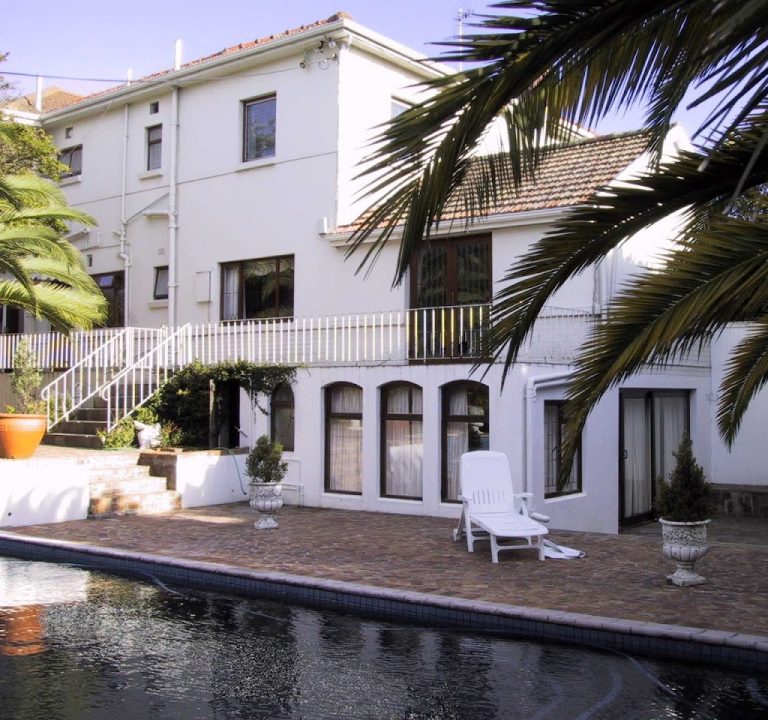
As for dining and casual exploration, Cape Town’s restaurant scene emphasises fresh seafood, farm-to-table produce, and cosmopolitan flair. In general terms, you’ll find waterfront venues offering harbour views, fashionable eateries with modern South African cuisine, and casual spots in bustling neighbourhoods where local chefs showcase seasonal flavours. When choosing restaurants, look for places with open-air seating where possible, good accessibility, and clear dietary options if needed. It’s common to book ahead for dinner, especially on weekends or in peak season. If you’re staying in a B&B such as Orchard Corner B&B, Cape Town, you might be able to enlist the host’s recommendations for nearby eateries and day trips, which can add a personalised touch to your stay.
Practical tips for a smooth stay:
- Book early for peak season and major holidays to secure the best areas and rates.
- Ask about parking arrangements and access to common areas if staying in a smaller guesthouse or B&B.
- Water and energy conservation is common in Cape Town; be mindful of lights and air conditioning to help reduce consumption.
- Carry local currency for small purchases, though many places accept cards and digital payments.
- Pack layers for varying temperatures; coastal evenings can be cooler even in summer.
- Check for recommended day trips and weather considerations when planning coastal drives or mountain excursions.
For those seeking a balanced, comfortable stay with convenient access to Cape Town’s sights, a well-chosen B&B or boutique guesthouse can offer a homely base from which to explore. Whether you prioritise a scenic coastal neighbourhood, access to cultural spots, or proximity to restaurants and markets, Cape Town rewards thoughtful planning and a willingness to wander. With a little advance research, your accommodation can be the anchor that makes your visit both relaxing and memorable.