Cape Town: accommodation, attractions and planning your stay
Cape Town in the Western Cape offers a wide range of places to stay, from stylish self‑catering apartments to boutique hotels and family-friendly guesthouses. When planning a visit, think about what you want most from your break: dramatic coastal scenery, easy access to mountains, lively city culture, or a relaxed wine‑land day trip. The city is compact enough to explore by public transport or a well‑planned car trip, yet diverse enough to feel like several destinations in one.
Areas to consider for your base include the City Bowl and surrounding neighbourhoods for easy access to dining, museums and cosmopolitan energy; the Atlantic Seaboard, including Camps Bay and Sea Point, for dramatic ocean views and a beachy vibe; and the V&A Waterfront area, which is convenient for ferries, tours, and evening walks along the harbour. For a more tranquil escape with grand scenery, the Constantia valley and False Bay suburbs offer leafy streets, wine routes and easy access to nature reserves. If you’re seeking a mix of city culture and quick access to the Cape Peninsula’s famous coastline, a stay in Green Point, Oranjezicht or Woodstock can be ideal.
When choosing accommodation, look for practical amenities that suit your plans. Self‑catering apartments are ideal for independent travellers who prefer morning flexibility and long meals at your leisure. Hotels and guesthouses often provide daily housekeeping, reception during peak hours, and on‑site dining options. Important features to consider include a well‑equipped kitchen or kitchenette, secure parking, reliable wi‑fi, and clear information about local transport options. If you’re exploring the peninsula by car, check whether parking is included or nearby, as some central areas can be busy. For those relying on public transport, proximity to MyCiTi bus stops or taxi/ride‑hailing access can make day trips smoother.
Transport tips for Cape Town are straightforward. The MyCiTi network covers many parts of the city and is a cost‑effective way to reach key sights, while a car offers the most flexibility for visiting the Winelands, the Cape Point route, or the scenic drives along Camps Bay and Clifton. If you plan day trips to Stellenbosch or Franschhoek, consider a guided tour or a day‑return coach service that includes winery visits. For boat trips to Robben Island or sunset cruises, book in advance and verify departure times from reputable operators.
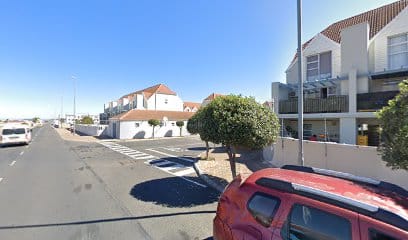
Typical amenities in well‑reviewed properties often include comfortable, well‑furnished living spaces, private or shared outdoor areas, and thoughtful touches such as coffee stations, quality linens, and laundry facilities. In longer stays, a dedicated workspace with good lighting can make a home‑from‑home more comfortable. Look for properties that publish clear house rules, a local guide with tips on markets and restaurants, and flexible cancellation policies where possible. If you’re staying in the Gordon’s Bay area, you’ll find holiday apartment rentals that provide easy access to the Cape Peninsula’s southern coastline and the longer drive to Cape Town’s central sights.
Best time to visit Cape Town depends on what you want from your trip. Late spring (October and November) and autumn (March and April) are often ideal for pleasant weather and manageable tourist crowds. Summer brings longer days and warm seas, great for beach days and outdoor markets, though popular beaches and viewpoints can be busy. Winter (June to August) is cooler and wetter, but the landscapes are dramatic and you’ll find fewer crowds for popular sights. Pack layers, a light rain jacket, and sun protection for peak day temperatures. If you’re driving along the Coastal Road or through the Constantia valley, allow extra time for sightseeing stops and photo opportunities as the scenery changes with the light.
Practical planning tips to keep your trip enjoyable and stress‑free:
- Book accommodation with flexible dates and clear cancellation terms where possible.
- Choose a base with easy access to the sights you want to visit to minimise daily driving time.
- Check for reliable wi‑fi, laundry facilities, and secure parking if you’re travelling by car.
- Research nearby dining options and morning markets to sample local produce and cuisine.
- For coastal walks and mountain trails, wear sturdy footwear and bring a light jacket for cooler evenings.
When shopping around for places to stay, consult guest reviews and look for confirmation of essential details such as cleaning schedules, entry procedures, and how hosts handle guest support. For many visitors, a well‑situated self‑catering apartment provides the best balance of privacy, comfort and control over daily rhythms, while boutique hotels and guesthouses offer a more curated experience with local insights. As a ballpark, you’ll find options ranging from compact city‑centre flats to spacious suites with ocean views, each offering its own doorway into Cape Town’s dramatic landscapes and friendly hospitality.
In terms of experiences, beyond your rooftop views and seaside swims, consider day trips to the surrounding wine routes, nature reserves and wildlife encounters. Whether you’re seeking a breezy beach holiday, a mountain‑and‑city itinerary, or a scenic road trip along the coast, Cape Town and its Western Cape neighbours provide a rich mix of activities to suit most tastes. A well‑planned stay that combines comfortable accommodation with a thoughtful itinerary can help you make the most of this iconic destination.