Riebeek-Kasteel: A Guide to Accommodation, Attractions and Planning Your Stay
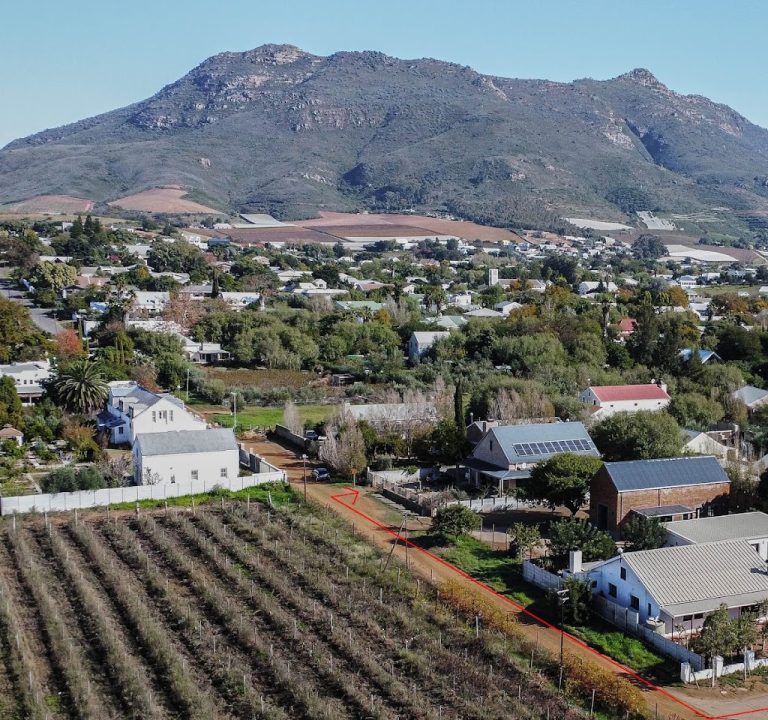
Riebeek-Kasteel, nestled in the Swartland between olive groves and vineyards, offers a relaxed escape with a distinctly rural South African flavour. Whether you prefer a cosy self‑catering retreat, a boutique guesthouse, or a rustic lodge, the town and its surrounding countryside provide a welcoming base for exploring the Western Cape’s winelands and olive routes. When planning a stay, consider where you want to focus your time—the historic core, nearby farms, or the surrounding valley views—to choose accommodation that suits your pace and interests.
Areas to consider when booking include the historic town centre, where streets lined with whitewashed walls and red-tiled roofs reflect the Afrikaans farming town character. Staying close to the main square and church brings you within easy walking distance of cafés, wine-tasting spots, and artisan shops. If you value quiet with longer drives to activities, a countryside‑edge stay near olive farms or vineyards can offer more space, fresh air and sunset views. For families or groups, self‑catering options with private outdoor spaces can be ideal, while couples might enjoy intimate guesthouses with cosy lounges and personalised service.
What to look for when booking hospitality in Riebeek‑Kasteel includes size and layout relative to your party, access to outdoor spaces, and the level of self‑sufficiency you want. Self‑catering homes often provide well-equipped kitchens, outdoor seating or braai (barbecue) areas, and private entrances—features that lend flexibility for meal planning and downtime. Guesthouses and lodges may offer daily housekeeping, on‑site staff or hosts with local knowledge, and shared facilities such as a pool or garden. Check for reliable heating or cooling, as temperatures can vary with the seasons, and confirm parking arrangements if you’ll be driving a rental car.
Typical amenities you might encounter include free fibre or WiFi, secure parking, a well‑equipped kitchen or kitchenette, comfortable bedding, and a choice of indoor and outdoor spaces to unwind. Outdoor enthusiasts will appreciate proximity to walking or cycling routes, with scenic viewpoints and farm tours common in the area. If you plan to visit during harvest periods, ask about seasonal activities—from olive picking to wine tasting in nearby estates—so you can align your plans with local celebrations or farm visits.
Transport is a practical consideration. A car is generally the most convenient way to explore Riebeek‑Kasteel and the surrounding Swartland region; many attractions are spread out with scenic byways between villages. If you arrive by air, the nearest international gateway is Cape Town, followed by a drive up via the N7 or other regional routes. Within the town, you’ll typically be able to stroll to cafes and shops, but for visits to farms or olives estates in the valley, a short drive or organised tour can be preferable. Some accommodations may offer airport transfers or arranged tastings, so it’s worth asking when you book.
Best time to visit Riebeek‑Kasteel extends across the year, but each season brings a different appeal. Spring and early summer (September to December) offer blooming gardens and pleasant temperatures for outdoor dining and walks. Autumn (March to May) provides cooler days and a calmer ambience as harvest activity winds down. Winter can be mild but occasionally damp, ideal for cosy stays with a home‑from‑home atmosphere. If you’re chasing wine and olive harvest experiences, plan around local schedules, but be mindful that some farm operations operate on seasonal rhythms rather than fixed dates.
Practical tips to help you plan a smooth stay:
- Book early if you’re travelling during peak harvest periods or school holidays, as options can fill quickly.
- Read guest reviews for insights on space layout, cleanliness, and host responsiveness, particularly for self‑catering properties where kitchen facilities and outdoor spaces are central to your stay.
- Ask about pantry essentials, as some self‑catering properties stock basics but may not provide groceries; knowing what’s supplied helps with budgeting.
- Confirm access details and flexibility around check‑in times, especially if you’re arriving late from a long journey.
- Clarify parking arrangements and vehicle access to ensure convenience for day trips into the surrounding valley and hillside routes.
- Plan dining options in advance—while Riebeek‑Kasteel has inviting eateries, a mix of meals is convenient if you’re based in a self‑catering retreat.
Attractions and experiences in the broader area generally revolve around the agricultural landscape, with olive groves, vineyards, and artisanal farms offering tastings and tours. Within Riebeek‑Kasteel itself, you’ll find historic architecture, pleasant town squares, and craft‑orientated shops that reflect the region’s rural artistry. For visitors seeking guided experiences, many local operators offer short farm visits, market strolls, or small‑group tastings that capture the region’s character without the intensity of larger tourist hubs.
Ultimately, a stay in Riebeek‑Kasteel is about balance: a comfortable base with easy access to scenic drives, farm‑to‑table experiences, and the chance to slow down and enjoy the Western Cape’s countryside hospitality. With a thoughtful choice of accommodation—whether a self‑catering retreat or a welcoming guesthouse—you can tailor your visit to match your pace, budget and interests while soaking up the valley’s simple, enduring charm.