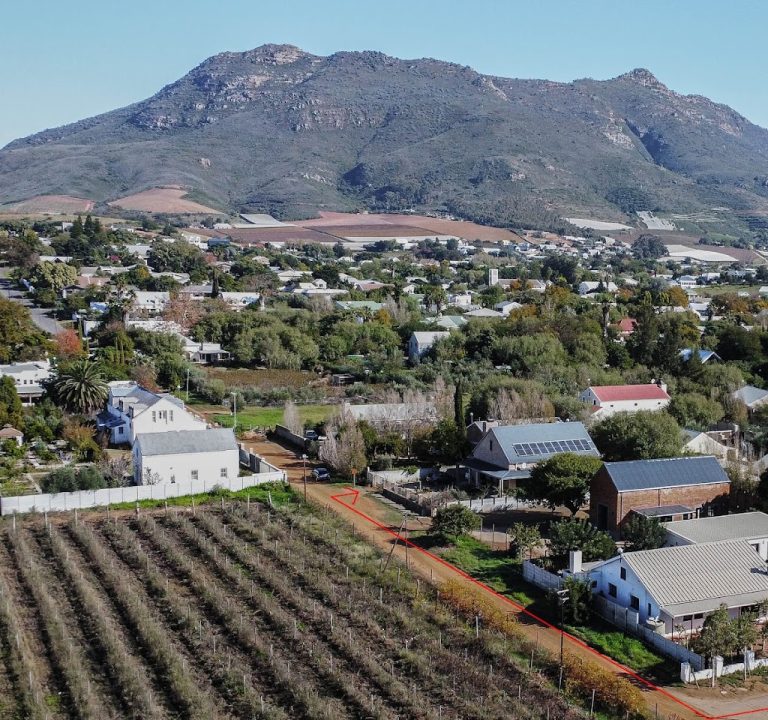
Riebeek-Kasteel: where to stay and what to do in the Western Cape’s charming wine-and-olive village
Riebeek-Kasteel offers a relaxed escape in the Western Cape, where hillside scenery, olive groves and cobbled lanes set the scene for a restorative break. The village is small enough to stroll comfortably, yet grounded by a welcoming range of accommodation and dining options. When planning a stay, think about the rhythm you want: a quiet self-catering base for long, lazy mornings, a cosy guesthouse with fellow travellers to swap recommendations with, or a boutique lodge that places you close to the surrounding farms and markets. The nearby towns and wine routes are within easy reach, making it convenient to combine a village stay with day trips across the Swartland and beyond.
Accommodation in Riebeek-Kasteel tends to fall into three broad categories. Self-catering cottages and cottages-with-kitchens offer flexibility for those who want to prepare their own meals or enjoy a leisurely brunch on their own balcony or garden. Guesthouses and small boutique hotels provide a touch more service, with daily housekeeping, on-site staff for local tips, and guestbook-worthy interiors that reflect the region’s rustic charm. For those seeking a more private yet comfortable option, standalone cottages or lodges with private entrances, parking and outdoor space are particularly popular with visitors who value privacy and the homely feel of a true staycation.
When choosing where to stay, consider these practical elements. Proximity to the main square and local eateries can minimise dependence on transport, especially if you want to wander to a meal or a morning coffee. Look for well-equipped kitchens or kitchenettes in self-catering options, as well as reliable heating or cooling to cope with the South African climate. Off-street parking is a practical plus in a village where narrow lanes and historic buildings characterise much of the town. If accessibility is important, check whether lifts or ground-floor rooms are available. For families or groups, a property with multiple bedrooms or a connected living area can simplify logistics and keep costs sensible.
Typical amenities to expect include comfortable beds with quality linen, hot water on demand, housekeeping on a regular but unobtrusive schedule, and outdoor spaces such as courtyards, decks or gardens where you can unwind after a day of exploring. In self-catering spaces, reliable kitchen equipment—such as a stove, fridge, and adequate cookware—can transform a trip into a more independent experience. Some properties may offer additional touches like a fireplace for chilly evenings, a barbecue area, or a small pool and sun-drenched seating areas. Wi-Fi is increasingly common, though many visitors in rural South Africa prefer to unplug and enjoy the slower pace, so manage expectations accordingly.
Transport arrangements are worth planning in advance. Riebeek-Kasteel is compact enough for pleasant walking, especially around the central square and nearby farms. Car hire is commonly the most practical option for wider exploration of the region, including olive farms, craft markets and nearby towns. If you prefer not to drive, check whether your accommodation offers trusted transfer options or can assist with arranging rides to local attractions. Remember that rural roads can be winding and slower than city routes, so allow extra time for trips between villages, viewpoints and winery stops.
The best time to visit blends climate with the harvest calendar. Spring brings mild days and flowering landscapes, while autumn unveils the harvests in olive groves and vineyards, accompanied by menus that celebrate seasonal produce. Winter can be cool and cosy, ideal for those who enjoy fireside evenings and hearty regional dishes. Summer tends to be warm, so a plan that balances outdoor activities with shade and hydration works well. Regardless of the season, plan for varying weather by packing layers, a light rain jacket, sun protection and comfortable footwear for uneven village streets.
Attractions in and around Riebeek-Kasteel encompass scenic drives, markets, historic streets and nearby farm experiences. A stay here provides a gentle itinerary: stroll the central lanes to admire local architecture; explore olive and wine routes on short, family-friendly routes; and visit nearby farms for tastings or casual farm-to-table dining experiences. For dining, expect cosy cafés and bistros that focus on fresh, seasonal ingredients, with menus that reflect the agricultural heritage of the region. Our best advice is to pick a few places in advance that align with your pace—whether you crave a relaxed brunch, a glass of regional wine with light plates, or a comforting dinner after a day of exploring.
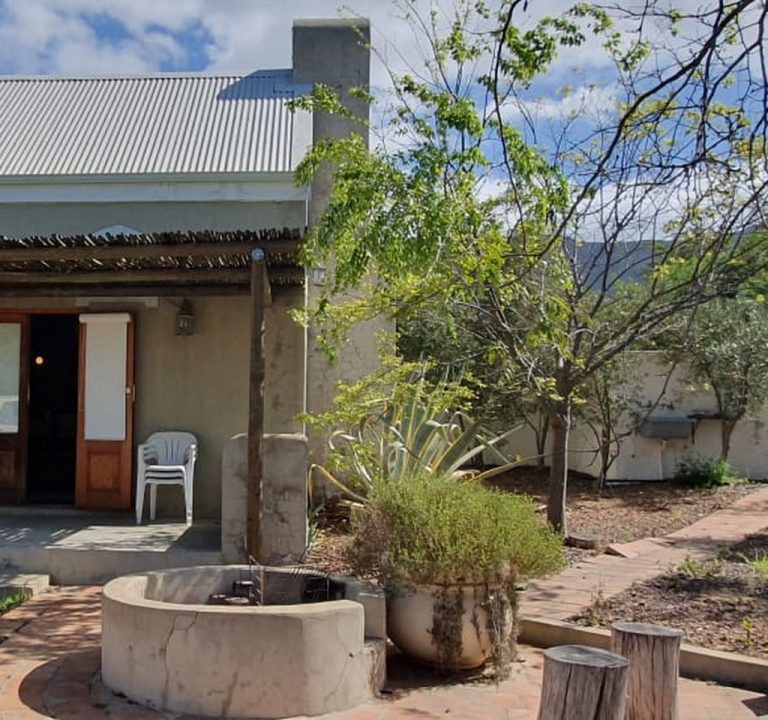
One example of a well-positioned self-catering option in this area is Wild Olive Self Catering Cottage, a standalone unit that offers a practical base from which to explore the village and its surroundings. It is the kind of property that suits travellers who value autonomy while still enjoying a cared-for home-from-home experience. When viewing any property, consider whether it suits the length of your stay, how flexible the check-in and check-out times are, and what kind of local information or guest support you can expect to access during your visit. A well-chosen base can make every day of your Riebeek-Kasteel adventure feel effortless, letting you focus on the landscapes, produce and people that make this corner of the Western Cape so memorable.
- Ask about parking arrangements, kitchen facilities, and whether private outdoor spaces are included.
- Check proximity to the village square, cafés and markets to maximise walking and minimise transport needs.
- Confirm access to heating or cooling appropriate for the season, and whether there is reliable hot water and Wi-Fi.
- Inquire about transfer options or guides for nearby farm visits, tastings and short day trips.
- Plan flexible days to enjoy the scenery, with a mix of slower mornings and longer explorations when energy allows.