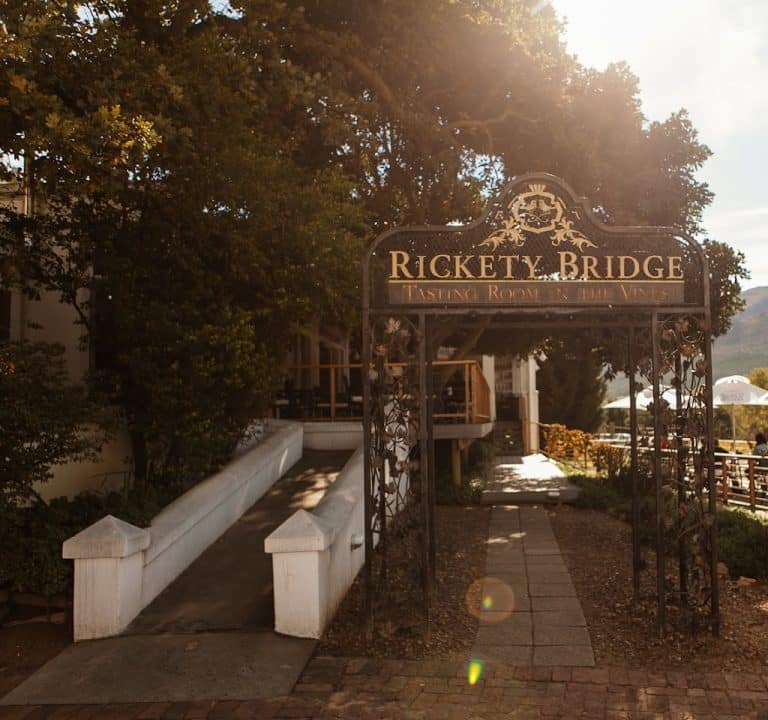
Rickety Bridge is a Winery establishment in Franschhoek, Western Cape, South Africa
About Rickety Bridge Estate: A Franschhoek Retreat with Heritage and Modern Comforts
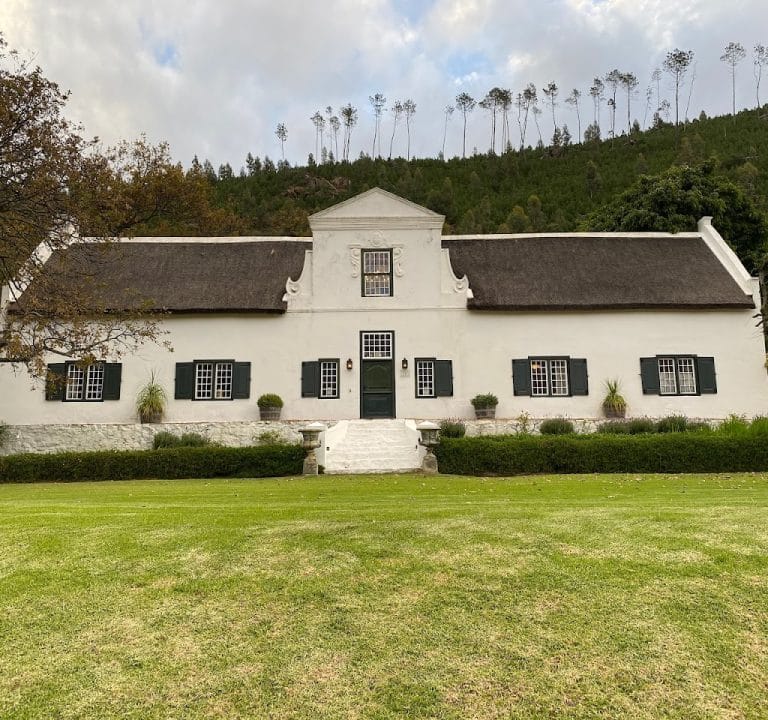
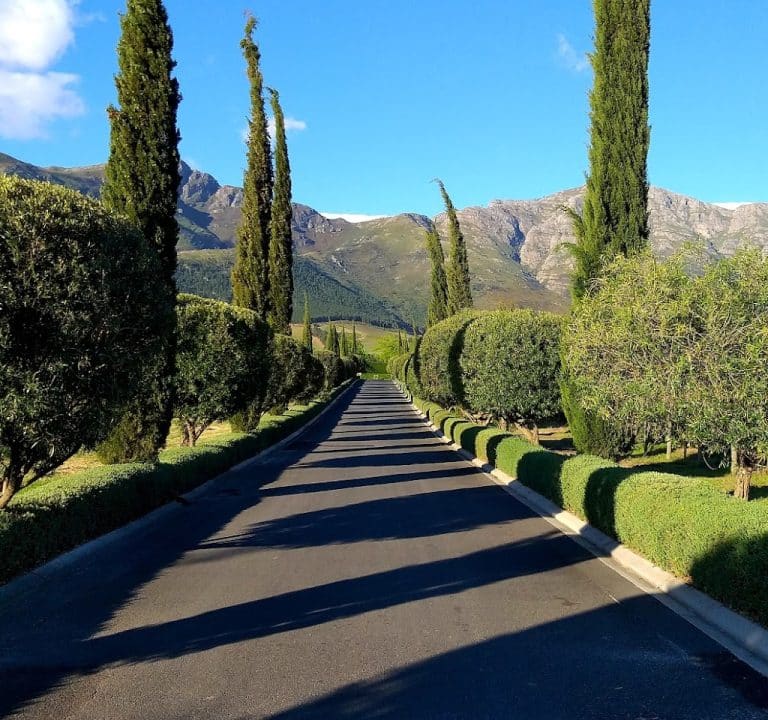
Nestled where the Franschhoek River meets the slopes of Dassenberg Mountain, Rickety Bridge Estate stands as a centuries‑old wine landscape that has gracefully reconciled history with contemporary hospitality. An iconic Franschhoek destination, the estate is described as a reimagination in motion: traditional farm‑style charm carefully balanced with luxury, modern interiors and vineyard views that linger long after departure. The estate’s story traces back to 1694, weaving through wagon trails and river crossings, with layers of heritage visible in every corner, from Cape doors to handcrafted details. Today, it offers guests an immersive stay that honours the past while inviting new experiences and collaborations in the valley.
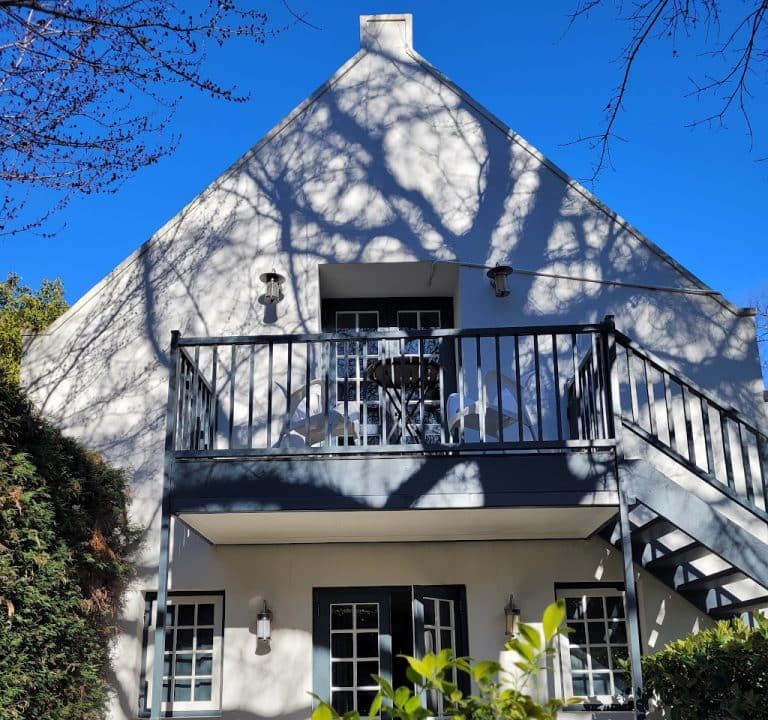
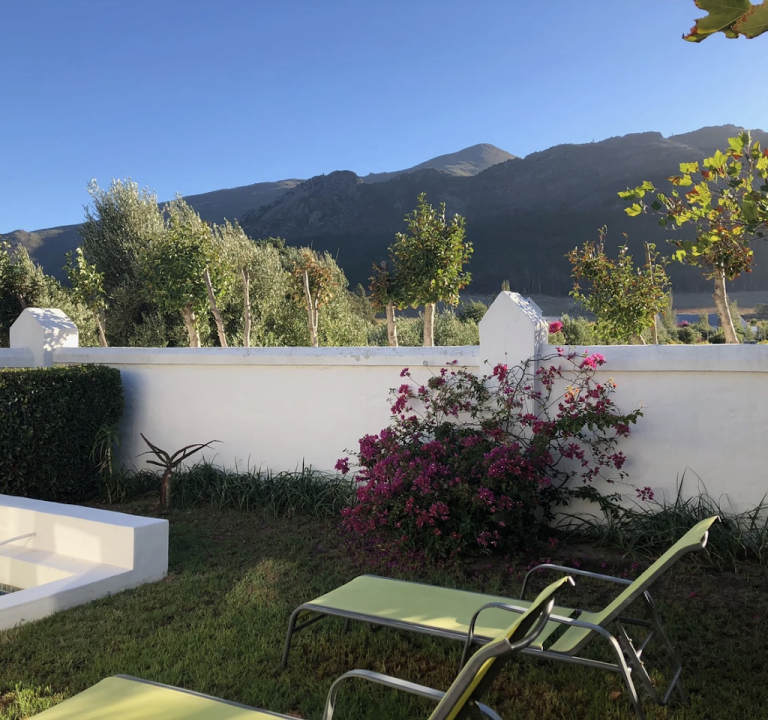
Accommodation on the estate is structured around the Farm Stay concept, featuring three restored heritage buildings that house ten elegant guest rooms. The Manor House forms the historical heart of the experience, offering three en‑suite bedrooms with generous living spaces and a private pool that overlook the surrounding vines. The Homestead serves as the central hub on arrival and as the main building, hosting three en‑suite rooms—two luxury rooms and one suite—along with indoor and outdoor dining spaces and delightful vineyard views. Jonkershuis, a standalone, recently refurbished building, provides five en‑suite rooms and shared spaces for relaxation, complemented by a garden pool. The Cottage, newly renovated and set in the farmhouse shed’s foundations, houses two exquisitely designed en‑suite rooms. Together, these spaces create a cohesive stay that blends the estate’s historic footprint with a refined, contemporary aesthetic.
Guest comfort is foregrounded with thoughtful in‑room details and communal areas. Each room within the Farm Stay collection emphasises en‑suite bathrooms, bespoke furnishings, and high‑quality bedding, while the estate’s public spaces offer a balance of intimate corners and social areas. A pool on the werf (farmyard) provides a refreshing respite, particularly after days spent exploring the surrounding Franschhoek countryside. Breakfast is presented as part of the Farm Stay experience, served in the Homestead either indoors or on a terrace that wanders towards the Dassenberg Mountain, inviting guests to start the day with vineyard vistas. The overall atmosphere is described as immersive and calming, a place where visitors can slow down, take in the scenery, and enjoy the craftsmanship that defines Rickety Bridge.
Beyond accommodation, Rickety Bridge presents a curated array of estate amenities designed to enrich a visit. Guests can anticipate estate wine tastings, with options linked to the Foundation Stone and Regna Loca labels, as well as experiences that explore the cellar and production techniques in the Theatre of Wine Cellar Tour. The estate also offers vineyard and cellar tours, enabling guests to glimpse the hands behind the wine, from grape harvest to bottle. Dining at the on‑site restaurant forms another cornerstone of the experience, with menus rooted in Franschhoek heritage and seasonal, locally sourced ingredients. Aimed at delivering warmth and hospitality, the restaurant promises a sun‑drenched terrace setting and intimate indoor dining beside a roaring fire when requested.
The estate’s approach to experiences extends to its wine club and the possibility of private tastings at guests’ accommodations on the farm. A cashless operation is noted across the estate, reflecting a modern convenience that aligns with guest expectations for smooth, contactless transactions. The Wine Experiences section highlights a slate of options, from Foundation Stone and Regna Loca tastings to a more immersive wine blending experience, each priced to reflect a guided, educator‑led encounter with Rickety Bridge wines. For visitors seeking a deeper connection, the chance to learn about winemaking techniques, such as amphora and concrete egg fermentation, is woven into the tasting narrative.
For those exploring the surrounding region, Rickety Bridge sits in the heart of Franschhoek, a valley renowned for its wine heritage, culinary artistry, and picturesque landscapes. The estate’s location near the river and mountains provides immediate access to nature and scenic viewpoints, while the village of Franschhoek offers a wealth of dining, gallery‑style experiences, and historic context tied to South Africa’s wine legacy. The estate’s commitment to bridging old and new also manifests in its collaborative initiatives, such as Bridging the Gap, which channels resources into community projects and partner organisations in Groendel and beyond. This emphasises a broader sense of purpose that may appeal to visitors seeking a meaningful, value‑driven stay alongside wine and gastronomy.
Booking and practical tips for guests are straightforward. The estate operates on a cashless basis, simplifying payments across experiences, dining, and accommodation. Guests are encouraged to explore the full range of experiences offered, including theatre‑style cellar tours, guided vineyard walks (subject to weather and confirmation), and private tastings at the accommodation. Dining hours at the Rickety Bridge Restaurant provide flexibility for morning and afternoon visits, with a terrace option to capture the farm and vineyard ambience. For guests who wish to extend their stay into a wine‑centric chronology, joining The Bridge Wine Club offers a pathway to first looks at new releases, discounts on accommodation and dining, and access to member‑only events and masterclasses.
In essence, Rickety Bridge Estate presents a refined gateway into Franschhoek’s winelands—where heritage architecture, contemporary comfort, and immersive wine experiences converge. It is well suited to travellers who value a characterful, grounded stay with access to excellent wines, thoughtful dining, and insight into the region’s storied past. Whether visiting for a family break, a romantic escape, or a collective retreat, the estate’s combination of historic elegance, modern amenities, and community‑minded initiatives offers a memorable base from which to explore the Western Cape’s renowned landscape.
Franschhoek
Western Cape
7690
South Africa
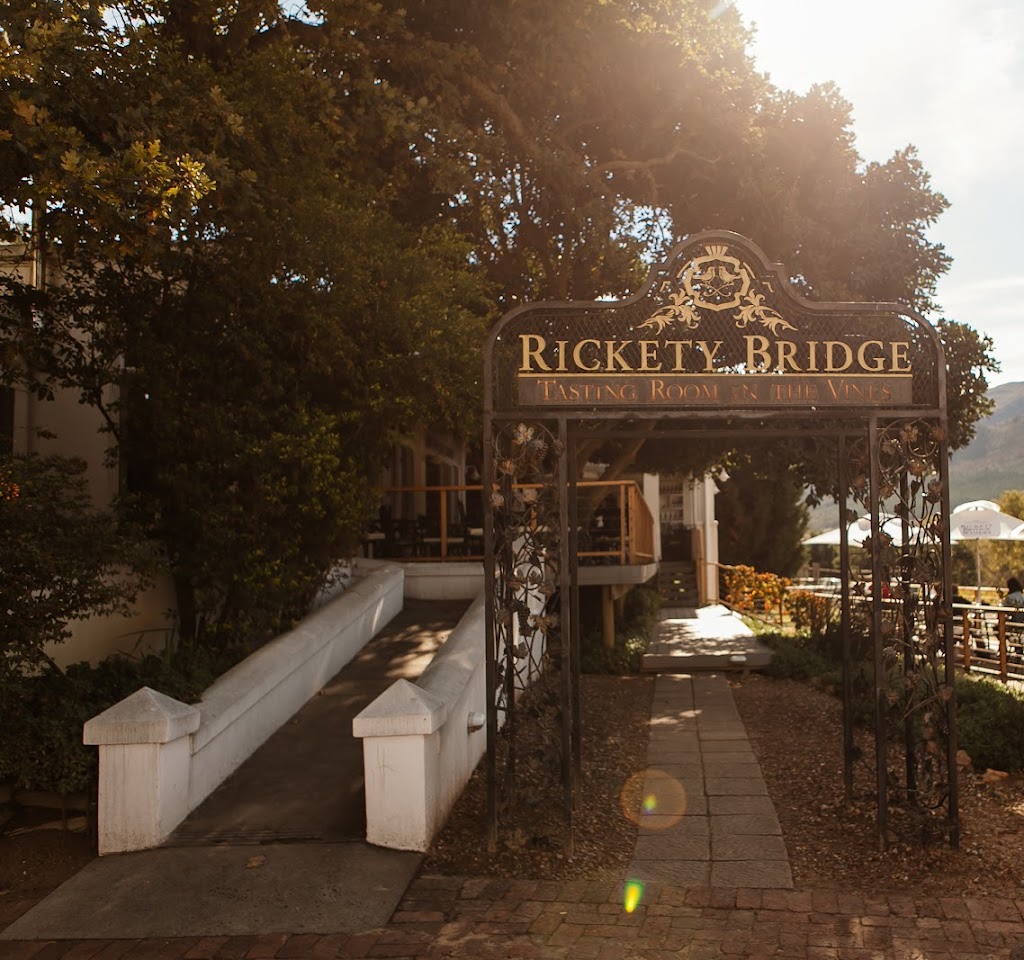
Franschhoek: Where Wine, Heritage and Hospitality Converge for a Memorable Stay
Franschhoek in the Western Cape remains one of South Africa’s most sought-after destinations for travellers seeking a refined yet relaxed escape. Nestled in a valley renowned for its wine heritage, the town offers a compact centre of galleries, bookstores, cosy eateries and market delights, all set against dramatic mountain scenery. For visitors planning a stay, the key is to balance vineyard tranquillity with easy access to village life, epicurean experiences and scenic outings.
When choosing where to stay, consider the different neighbourhoods and farm estates that punctuate the valley. The centre of Franschhoek is ideal for walkers who enjoy easy access to ranked restaurants, wine shops and cultural attractions. A little further afield, farm stays and historic manor houses on working estates offer serene views, longer vineyard walks and guided tours, all within a short drive of the village. For families or groups, larger guesthouses or boutique hotels with generous common spaces can provide a comfortable base for shared meals and conversations after a day exploring the region.
Typical accommodation features you’ll encounter include en-suite bedrooms, often with bespoke decor that nods to the Franschhoek heritage, outdoor pool areas, and terraces or verandahs that invite al fresco breakfasts. Many estate stays emphasise a blend of historic charm and contemporary comfort, with modern bathrooms, plush bedding and thoughtful in-room touches. Breakfast is commonly included, and some properties offer wine-tasting sessions or vineyard walks as part of the package. A cashless estate system is common, so bring a credit or debit card for smooth transactions during tastings and meals.
Getting around Franschhoek is straightforward but a little planning helps maximise your time. Within the village, map out dining reservations and galleries in advance, as popular spots can book up quickly, especially in peak season. For broader exploration, a hire car provides flexibility to visit neighbouring estates, scenic viewpoints and local attractions at your own pace. Bicycles may be available on some estates for a relaxed ride through quiet lanes, and some properties arrange private tastings or guided cellar tours for guests staying on site.
Best time to visit Franschhoek hinges on weather and harvest cycles. Spring (September to November) brings colourful landscapes and blooming gardens, while autumn (March to May) offers cooler days ideal for vineyard walks and wine tastings. The region’s climate is generally pleasant for outdoor dining and terrace conversations, but do pack layers for cool evenings and occasional mist along the mountainside.
Attractions in Franschhoek tend to be seasonal and experiential rather than simply transactional. Wine estates offer guided tastings, cellar tours and food pairing sessions that highlight regional flavours. The landscape itself—ribboned by rows of vines, historic farm buildings and riverine settings—provides ample opportunities for photography, scenic drives and gentle hikes. In town, you’ll find boutique shops and markets where local producers showcase crafts, preserves and regional specialities. For food lovers, guesthouses and farms often host seasonal menus showcasing farm-to-table ingredients sourced from neighbours and nearby producers.
To help you plan, here are practical tips gathered from staying on and visiting Francshhoek’s renowned estates:
- Book accommodation with easy access to your planned activities, whether that means a central village base or a vineyard-side stay with on-site tastings and tours.
- Check whether your chosen stay includes breakfast or offers a restaurant on site, and whether wine tastings or cellar tours can be arranged as part of your stay.
- Ask about private tastings or experiences at the estate, and whether transfers to and from town are available for dinners or markets.
- Consider a flexible schedule that allows a relaxed day at your accommodation, paired with a shorter outing to a nearby estate for a tasting and a stroll through the surrounding grounds.
- Plan for fluctuating weather by packing layers and a lightweight rain shell, even in typically sunny months.
Among the celebrated wine estates in the area, you may encounter historic properties that have evolved into contemporary hospitality spaces. Some estates offer dedicated farm stays with restored historic buildings, blending heritage with modern comfort. The ability to combine a winery visit with a restaurant meal, a guided cellar tour, and a gentle vineyard walk makes Franschhoek a well-rounded destination for couples, friends and families alike. For guests seeking a deeper connection with the region, estates often provide insights into the winemaking process, terroir and the valley’s long-standing traditions.
Practical planning also extends to dining. While many hotel and estate restaurants operate with seasonal menus and locally sourced ingredients, it’s worth reserving a table for popular times, especially during harvest periods or long weekends. You’ll typically find menus that reflect Cape Dutch and Franschhoek influence—comforting dishes with fresh, regional produce—paired with a curated selection of local wines. For more immersive experiences, look for opportunities to participate in guided wine tastings or food-and-wine pairing sessions hosted at the estate level.
For those exploring the area in depth, a stop at Rickety Bridge Estate offers a glimpse into a historic wine farm with a story of heritage and ambition. The estate provides farm-style accommodation, a restaurant that emphasises regional flavours, and a programme of wine experiences that blends tradition with contemporary techniques. Their vineyards, tumbling views and welcoming hospitality exemplify the balance many travellers seek when visiting Franschhoek. To learn more about Rickety Bridge and its offerings, see the estate’s official pages at http://www.ricketybridge.com/.
Sorry, no records were found. Please adjust your search criteria and try again.
Sorry, unable to load the Maps API.
Why Claim Your Listing?
Claiming your listing on the B&B Finder directory website is a valuable opportunity for business owners. Here are five reasons why you should consider claiming your listings:
Control Over Business Information: By claiming their listing, business owners can ensure that all the information presented is accurate and up-to-date. This includes details such as contact information, address, pricing, and available services or amenities. Accurate information helps prevent customer confusion and improves overall satisfaction.
Enhance the Listing: Once a listing is claimed, owners can enhance it by adding more comprehensive information and rich media, like high-quality photos and videos. These additions can make the listing more attractive and engaging to potential customers, thereby increasing the likelihood of bookings.
Marketing Opportunities: Claiming a listing can also open up additional marketing opportunities. Owners may be able to participate in promotional campaigns, special offers, and other marketing activities organized by the directory. This can increase visibility and attract more customers to the business.