Franschhoek: a refined blend of wine-country charm, culture and comfort
Franschhoek sits in the Western Cape’s winelands, a picturesque valley framed by cobbled streets, boutique B&Bs and elegant guesthouses. The town is known for its heritage, food-and-wine pairing, and close proximity to surrounding vineyards. When planning a stay, think beyond a single hotel room: consider which area best suits your pace, what amenities will ease your days, and how you’ll travel between estates, eateries, and sights.
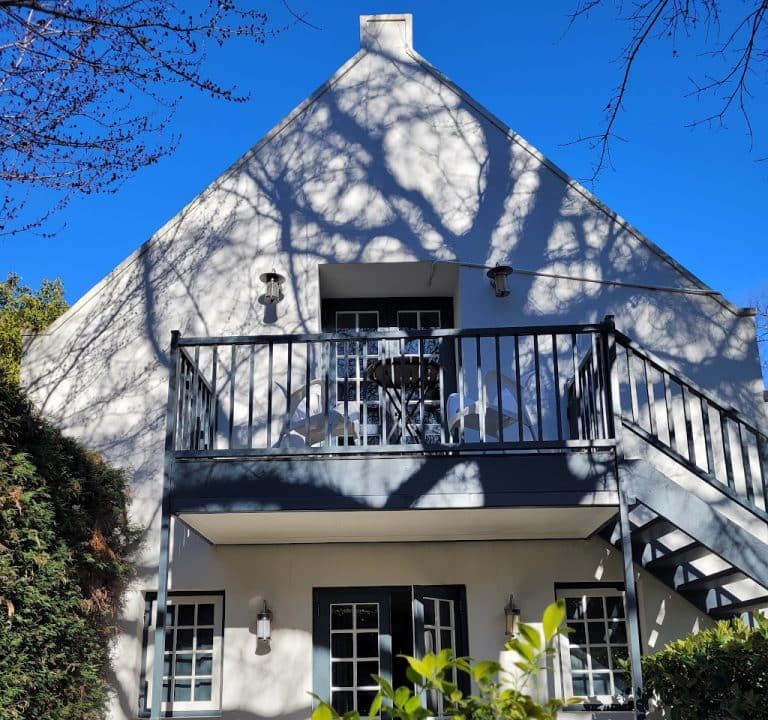
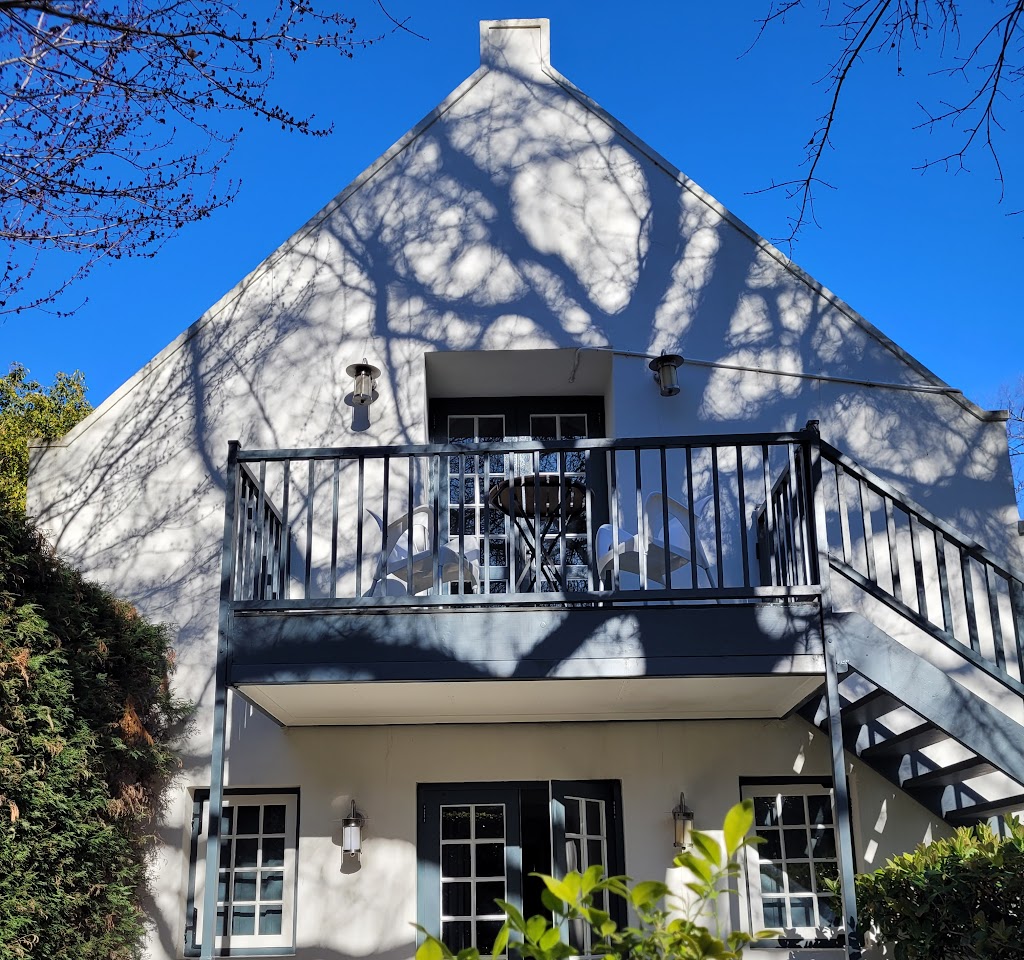
Accommodation in Franschhoek spans intimate B&Bs, rustic cottages, modern boutique hotels and vineyard-side lodges. A structure such as an owner-occupied cottage or a small guesthouse can offer a home-from-home atmosphere—often with personalised service and a locally informed welcome. Typical options include:
- Quiet village-centre stays with easy access to restaurants, galleries and the markets
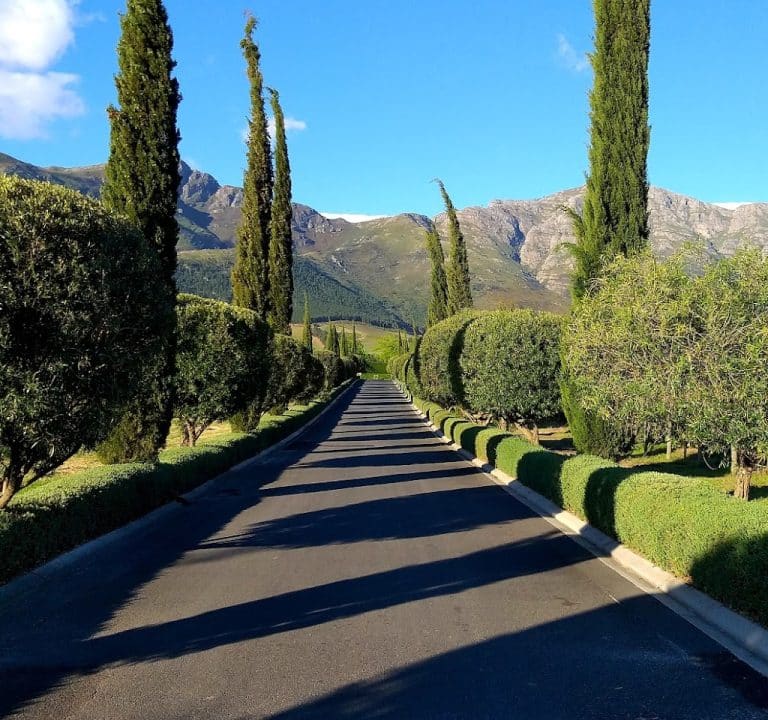
- Wine-country retreats nestled near vineyards, offering serene views and outdoor spaces
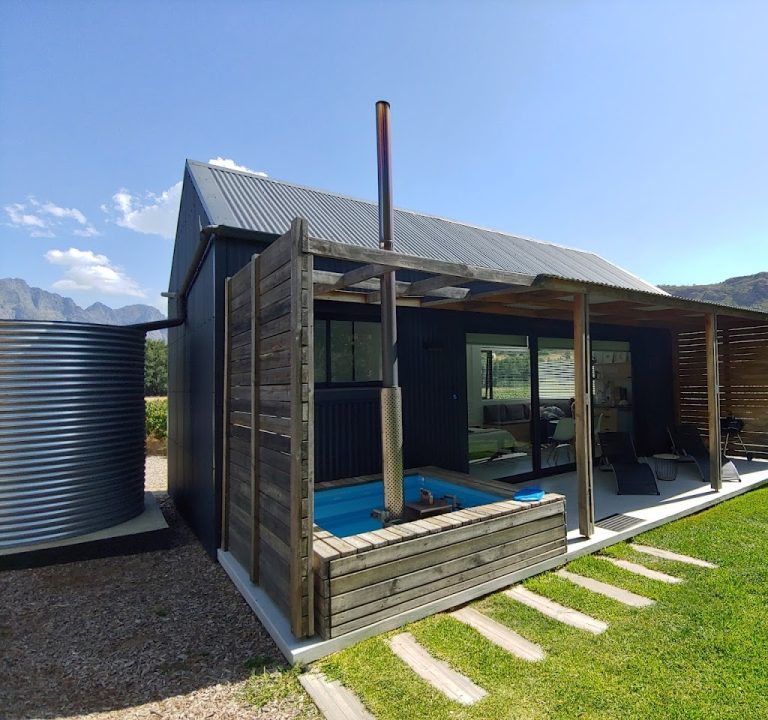
- Shepherd-style or country cottages with kitchen facilities for longer visits
- Boutique hotels with stylish interiors and in-house dining or spa facilities
When choosing where to stay, consider the character you want for your visit. The Main Road section keeps you close to cafés, wine-tasting rooms and artisan shops, while remaining within easy reach of the surrounding vineyards and hiking trails. Valley-edge properties can offer expansive views and more secluded gardens, perfect for a romantic escape or a quiet base for photography and nature walks.
Key amenities to look for include generous breakfast options, parking on site, reliable Wi‑Fi, and on-site or nearby dining choices. Many Franschhoek properties provide a warm, personalised welcome, helped by hosts who are well connected to the local food and wine scene. If you’ll be driving, confirm whether private parking is available or if street parking is convenient. For travellers who value walking and easy access to dining, a central location near the main thoroughfares can be ideal, while those seeking tranquillity may prioritise larger grounds or vineyard viewpoints.
Transport is an important planning factor. The town is compact enough to explore on foot, yet winery visits typically require a car or a guided tour. If you’d rather not self-drive, some guesthouses organise shuttle services or partner with local drivers for safe wine-tasting itineraries. The Franschhoek Wine Tram is a popular way to visit several estates with scenic routes and flexible timings, though check seasonal schedules and ticketing in advance. If you plan to explore beyond Franschhoek, a car offers the most flexibility to visit nearby towns, viewpoints and additional vineyards at your own pace.
The best time to visit Franschhoek depends on what you want from your trip. Spring (September to November) is lovely as vineyards wake, blossoms brighten the valleys and the weather is mild. Summer (December to February) brings longer days, excellent dining al fresco and the hum of harvest season, though it can be busy. Autumn (March to May) offers pleasant temperatures and quieter tasting rooms before the winter chill, while winter (June to August) provides cosy inns, fireside dining and fewer crowds. If you’re after a mix of outdoor activities and culinary experiences, late spring or early autumn can be particularly enjoyable.
Booking tips and practicalities: reserve well in advance for peak periods—particularly weekends, holidays and harvest time—as popular properties can book quickly. Read guest reviews to understand the balance of service, room size and noise levels. Clarify what is included in the rate, such as breakfast, parking, or access to any on-site facilities like gardens or spa areas. Confirm cancellation policies courteously and check whether the property offers flexible terms. If you’re planning wine tastings or chef-led experiences, see if the host can arrange bookings or provide recommendations ahead of time.
In terms of activities, Franschhoek is a gateway to a range of experiences beyond tasting rooms. You can stroll along the historic lanes to view art galleries, small museums and boutique shops. Farmers’ markets and seasonal producers often feature local cheeses, breads and preserves that pair beautifully with wines from nearby estates. The surrounding countryside offers scenic walks and hikes, with trails that weave through vineyards and mountain scenery. Dining in Franschhoek tends to showcase a modern South African terroir, emphasising fresh local ingredients and wine pairings; many restaurants offer menus that highlight seasonal produce and regional flavours without relying on extravagant claims.
For a complete stay, consider a balanced itinerary: a couple of mornings exploring the town’s architecture and markets, afternoons visiting nearby vineyards with a guided or self-guided plan, and evenings spent sampling understated yet refined dishes at a nearby restaurant or a chef-led tasting menu. When looking at accommodation options such as a cosy B&B or a cottage like Owners Cottage, seek hosts who can tailor a stay—whether you want an easy wander to eateries, a quiet base for long walks, or a convenient launch point for day trips to the surrounding winelands.
Website links to accommodation, local tourism pages and winery estates can help you compare options, check availability and plan tastings. Remember to budget travel time between estates and consider traffic patterns around peak holiday periods. With careful planning, Franschhoek delivers a relaxed, wine-rich escape that blends heritage, gastronomy and countryside into a distinctly South African experience.