Where to stay and what to do in Franschhoek: a traveller’s guide to accommodation, eating and experiences
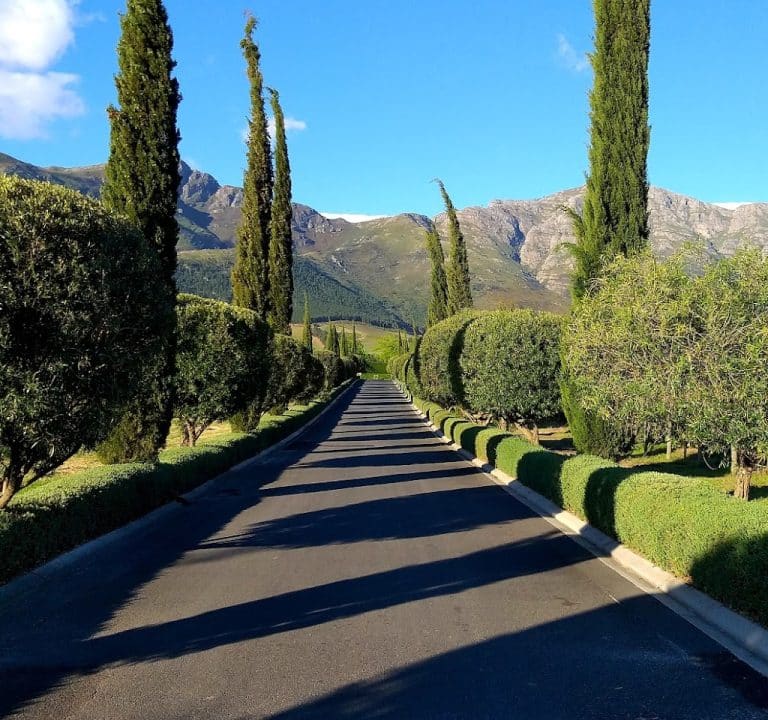
Franschhoek, nestled in the Cape Winelands, blends scenic mountains, historic charm and a reputation for excellent food and wine. When planning a stay, consider the layout of the village and the surrounding valley, as different areas offer varying access to restaurants, wine estates, and walking routes. The centre is compact, with a village atmosphere, while the outer countryside provides a more tranquil, rural backdrop and larger self‑catering options. A well‑chosen base can cut transit time and maximise your days in this 명ique corner of Western Cape.
Accommodation in Franschhoek ranges from boutique hotels and guesthouses to self‑catering cottages and farm stays. If you prefer a social atmosphere, pick a property near the main streets, where you can stroll to eateries, wine shops and art galleries. For a quieter break with more space and privacy, consider a self‑catering option on the vineyards or in leafy pockets surrounding the town. A good mix of on‑site facilities—such as a kitchen or kitchenette, reliable Wi‑Fi, parking and easy access to a garden or terrace—will simplify meals and lounging after day trips.
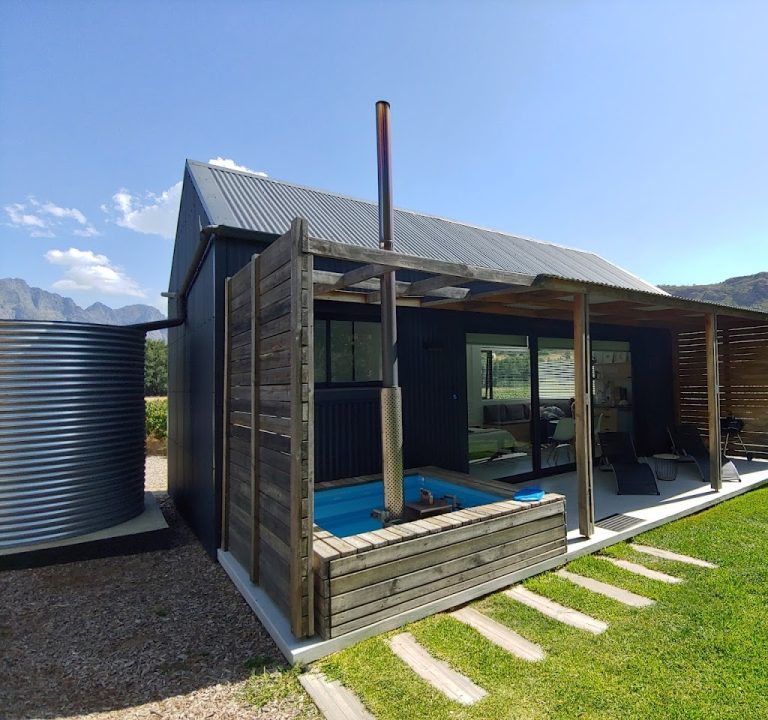
One example of a self‑catering choice in the area is La Galiniere Guest Cottages. Set within reach of Franschhoek’s heart yet offering a peaceful rural ambience, these cottages provide a practical base for exploring the region. Visitors can check the official site for details on what each unit includes and how to tailor your stay to family or friends travelling together. For those planning a longer visit, a self‑catering option gives you the freedom to balance restaurant meals with home‑cooked dinners and leisurely mornings.
Typical amenities to look for when booking include a well‑equipped kitchen or kitchenette, comfortable living spaces, and easy access to outdoor areas. Many properties in Franschhoek offer en‑suite bathrooms, secure parking, and a place to store wine or chilled beverages. Laundry facilities, heating or cooling systems, and well‑lit pathways at night can make a big difference depending on the season. If you are travelling with children or four‑legged friends, check pet policies, designated play areas, and safety features in the garden or pool area.
Transport is a practical consideration. The town is compact enough for pleasant walks between the main streets and vineyards, but a car is often the easiest way to reach wine estates, farms and viewpoints beyond the village. Some visitors enjoy joining a guided wine tour, which can simplify logistics and maximise wine‑tasting opportunities. If you prefer not to drive, look for accommodations with reliable taxi options or shuttle services to nearby estates and markets. In high season, advance bookings are wise, as popular lodging tends to fill quickly.
The best time to visit Franschhoek generally aligns with the wine‑harvest calendar and the flower season. Spring (September to November) brings colourful blossoms and pleasant temperatures, ideal for outdoor dining, winery visits and village strolls. Summer (December to February) can be warm, with long days for picnics and scenic drives. Autumn (March to May) offers cooler, comfortable weather and a showcased harvest atmosphere. Winter (June to August) is quieter, with cosy dining options and fewer crowds. Each season has its own charm for photography, hiking and enjoying the local cuisine.
When planning your days, it helps to pace yourself. The area is renowned for culinary excellence, so you might want to reserve a couple of meals at acclaimed restaurants while leaving room for spontaneous wine‑tasting at nearby estates. Ask your host or accommodation provider for recommendations on routes that combine a scenic drive with convenient stops for tastings, markets or art galleries. If you enjoy outdoor activities, consider light hikes or strolls around the vineyards and along the Franschhoek River, then return to your lodging to unwind in comfort.
- Area considerations: central Franschhoek for walkable dining and galleries; vineyard outskirts for privacy and views; proximity to the Huguenot Memorial or nature trails for cultural or outdoor priorities.
- Booking tips: read guest reviews for noise levels, housekeeping reliability, and proximity to parking; request easy access to a kitchen or outdoor seating; confirm cancellation policies and arrival times.
- Typical amenities: kitchen or kitchenette; private entrance or garden; secure parking; reliable Wi‑Fi; heating and cooling; laundry facilities.
- Transport tips: plan parking availability if you will drive daily; consider a guided tour or shuttle for wine estates; map out a central base to minimise long drives.
- Best time to visit: spring for flowers and mild weather; autumn for harvest vibes; winter for cosy dining; summer for longer outdoor days.
Beyond where to sleep, Franschhoek is a starting point for memorable experiences. The valley’s vineyards and food‑led culture translate into restorative dining experiences, wine tastings and farm‑to‑table menus. Scenic drives, historic sites and local markets offer enjoyable day trips without requiring long travel times. For reservations or ideas, many venues maintain websites with visitor information, sample itineraries and seasonal events. A stay in Franschhoek can be as active or as relaxed as you wish, with comfortable accommodation serving as a reliable anchor for discovery.