A practical guide to accommodation and experiences in Cape Town, Western Cape
Cape Town remains one of South Africa’s standout destinations for travellers seeking a mix of stunning scenery, vibrant culture and easy access to world‑class dining and outdoor adventures. When planning a stay, the city’s neighbourhoods each offer a distinct flavour, from the harbour buzz of the Waterfront to the leafy streets of the Constantia Valley and the dramatic shoreline of the Atlantic Seaboard. For a balanced itinerary, consider a base that gives you convenient transport, varied dining, and proximity to the main sights you want to enjoy.
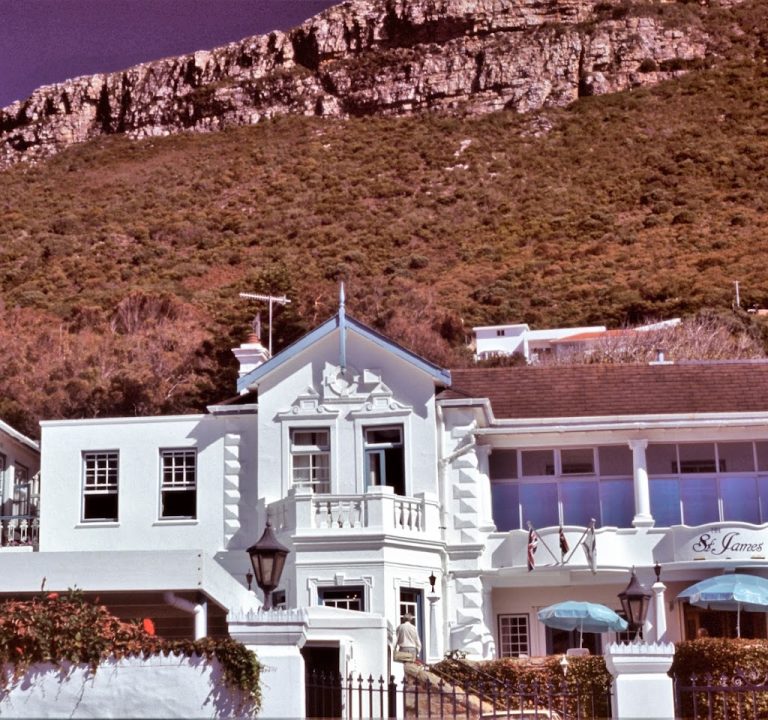
Accommodation in Cape Town ranges from intimate B&Bs and boutique guesthouses to well‑appointed hotels and self‑catering apartments. The City Bowl and surrounding districts are popular for easy access to museums, markets and the iconic Table Mountain cableway. The Waterfront provides a marina backdrop, with a range of hotels suitable for travellers who value walkability to shops and harbour experiences. For a calmer coastal stay with dramatic views, Camps Bay and Clifton offer chic resorts and contemporary guesthouses along the shoreline, while Constantia attracts visitors drawn to vineyards, hiking trails and a sense of tranquillity a short drive from the city centre. Rhodes House is another example of the city’s varied lodging landscape, offering a convenient base within reach of several coastal and mountain activities.
What to look for when booking a stay in Cape Town matters as much as the price. Consider access to reliable transport, especially if you plan day trips to the Cape Winelands or the penguin colonies at Boulders Beach. Many guests prefer stays with on‑site dining or easy access to a few well‑reviewed restaurants, as well as parking facilities, generous laundry options, and good Wi‑Fi, which is essential for planning day trips and sharing memories on the go. If you’re visiting in peak season (summer through early autumn in the Southern Hemisphere), book well in advance and check cancellation terms. Look for properties with routes for cliff walks, garden spaces, or a pool if you’re visiting with family or simply want a relaxing break between excursions.
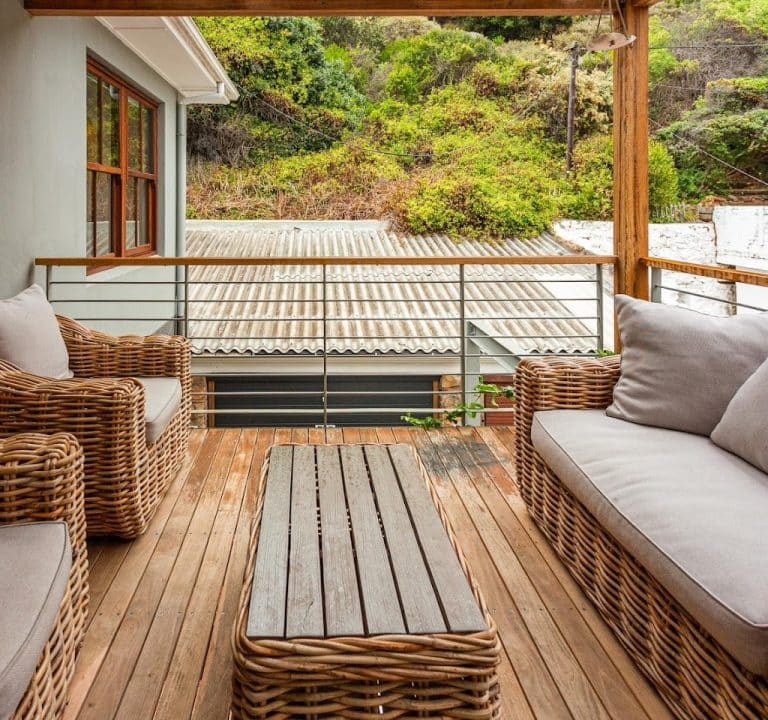
Typical amenities across Cape Town’s accommodation mix include private balconies or terraces, well‑equipped en suite bathrooms, and modern, stylish interiors. Many guesthouses emphasise a personalised approach, with hosts who can advise on fresh markets, local eateries and less‑touristy viewpoints. Hotels often feature a front desk with concierge services, transfer arrangements, and recommendations for guided tours. Self‑catering flats and apartments provide the flexibility to prepare meals after a long day of sightseeing, which can be particularly convenient if you’re travelling with children or on a longer stay.
Getting around is straightforward but varies by area. The city centre is compact enough for walking, with Uber and other ride‑hailing services readily available. The MyCiTi Bus network offers an affordable alternative for longer hops and day trips, including routes toward the Atlantic Seaboard and the southern suburbs. If you’re based in the Constantia or nearby Winelands area, renting a car provides the most flexibility to explore estates, nature reserves and scenic drives along the Atlantic coast. For a memorable experience, consider a guided township or nature excursion to gain deeper insight into Cape Town’s history, biodiversity and local communities.
Best time to visit Cape Town blends weather with events. Summer (December to February) brings warm days ideal for beaches and outdoor activities, but it is peak tourist season, so expect larger crowds and higher rates. Autumn (March to May) offers mild weather and fewer visitors, making it a preferred window for many travellers. Winter (June to August) is cooler and wetter but pleasantly quiet, with dramatic coastal scenery and fewer crowds at major attractions. Spring (September to November) combines lengthier daylight with blooming flora in the Kirstenbosch gardens and Cape Point reserves. When planning, check tides for coastal walks and penguin colonies, and be prepared for rapid changes in weather—Cape Town’s climate can shift quickly from sunshine to gusty, cool breezes on the coast.
Eat-and-drink options span casual markets to fine dining, with seafood, bistro fare and cosmopolitan twists informed by African and international influences. In most areas you’ll find a range of eateries within easy walking distance of main hotels, as well as reputable rooftop bars and coffee stops to suit slow mornings or lazy afternoons. For a night out, it’s wise to book a restaurant with a view or create a plan to experience the city’s diverse dining scenes across two or three areas, enabling you to sample multiple neighbourhoods without long commutes.
Practical tips to help you optimise your stay:
- Book accommodation with good security and well‑lit streets, especially in central or coastal areas after dark.
- Pack layers for changing weather and a sunhat, plus sunscreen for outdoor days on the Atlantic coast.
- Reserve popular activities and dining times in advance during peak season; consider flexible itineraries to accommodate weather changes.
- Balance mountain and sea experiences: a Table Mountain visit in clear conditions is a highlight, while a coastal drive and beach day offer restoration in equal measure.
- Check access to parking if you’re driving, and consider guesthouses and hotels offering on‑site or nearby parking options.
For further inspiration and practical tips, you can explore official Cape Town tourism resources and hotel websites to plan a stay that suits your pace and interests. A well‑chosen base in Cape Town can open doors to breathtaking scenery, remarkable cuisine and a memorable blend of urban and outdoor adventures.