Accommodation and experiences in Cape Town: planning a memorable stay
Cape Town offers a rich mix of accommodation styles, from self‑catering apartments with private kitchens to stylish guesthouses and boutique hotels perched above sprawling beaches and harbour views. When planning a stay, map out a mix of areas that fit your interests and pace. For coastal convenience and easy beach access, Muizenberg and the Atlantic Seaboard are popular. For city buzz, the central districts, Green Point and the V&A Waterfront vault you into bars, restaurants and nightlife, while Constantia and the southern suburbs provide rolling vineyards and serene hilltop settings. A well‑rounded trip often combines a few different neighbourhoods to balance scenery, culture and convenience.
Self‑catering options, such as the familiar apartment or villa, offer flexibility for longer stays, families or groups who want a home‑from‑home feel. Boutique guesthouses and small hotels frequently provide a personalised touch, including breakfast offers, locally sourced produce and curated recommendations for day trips and dining. When you book, consider what matters most: a quiet bedroom for late nights, a stylish living area for socialising, a fully equipped kitchen, reliable wifi for remote work, parking availability, and easy access to transport links.
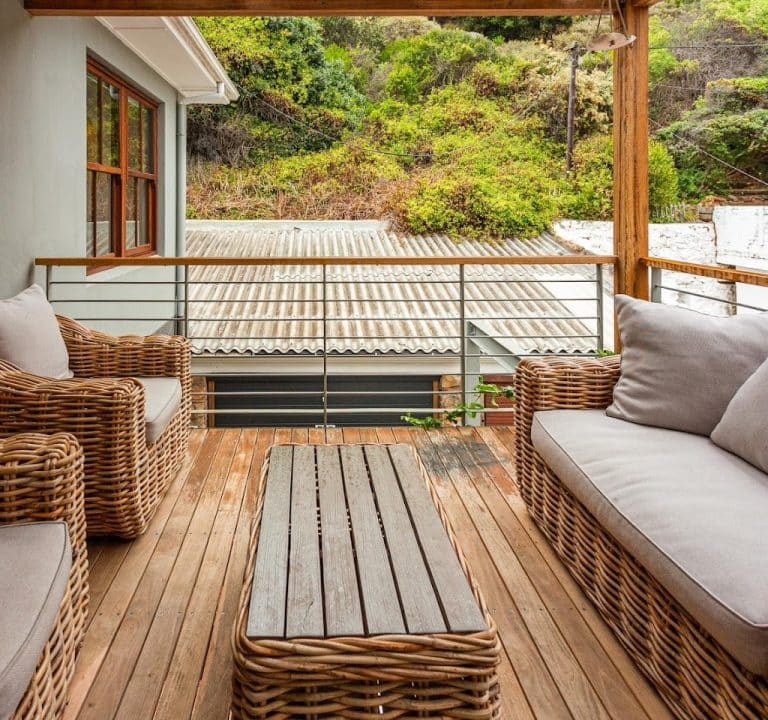
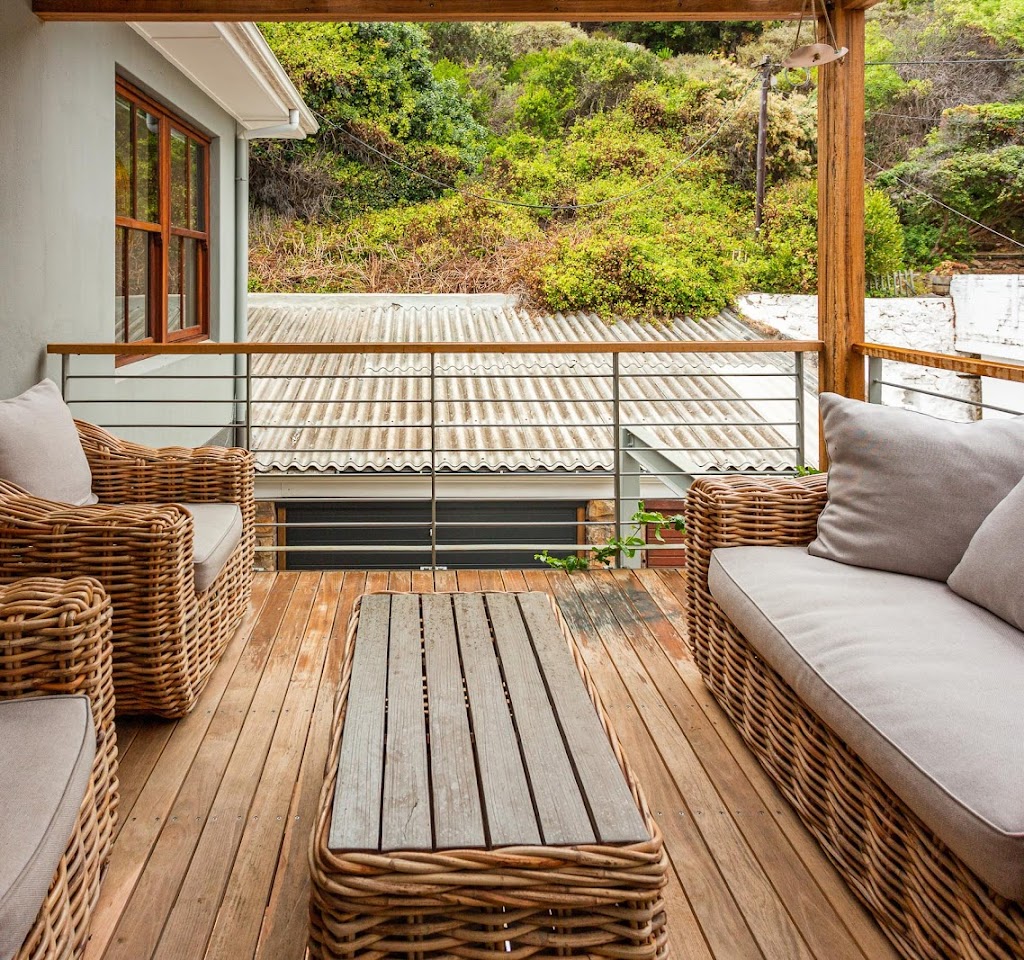
In terms of amenity expectations, many properties in Cape Town boast features that enhance a stay: secure parking, access to a pool or outdoor terrace, well equipped kitchens, laundry facilities, and the option of self‑check‑in for flexible arrival times. If you’re hoping to explore Cape Town’s surroundings by day and return to a peaceful retreat by night, a balcony or garden space can be particularly appealing. For families or groups, look for extra seating, multiple bedrooms, and proximity to beaches or parks for daytime activities.
Transport is a key planning consideration. The city’s MyCiTi bus network and urban rail links connect major sights with reduced traffic stress, though many visitors choose to hire a car for greater flexibility, especially to reach winelands, Constantia's slopes, or Table Mountain’s higher trails. If you prefer public transport, select accommodation within easy walking distance of bus stops or train stations, and check if the property can arrange airport transfers or private shuttles. In more rural or high‑end suburbs, garages or off‑street parking can be a decisive factor for a comfortable stay.
Best time to visit Cape Town hinges on preferences. Summer (November to March) brings long days, lively beaches and outdoor activities, but it is peak season, which means higher prices and busier streets. Shoulder seasons—April to May and September to November—often offer mild weather, fewer crowds and better value. If you want to combine outdoor adventures with wine tasting, late spring or early autumn can be particularly pleasant. For coastal environments, be mindful of winds and seas, and plan inland days when weather turns unfavourable.
When choosing where to stay, consider proximity to the main attractions you intend to prioritise. Table Mountain and the Cableway are iconic, but the city also serves as a gateway to Robben Island, theCape Point reserve, and the Cape Winelands. Kirstenbosch National Botanical Garden provides a world‑class setting for wandering and picnicking, while the V&A Waterfront offers a hub of shops, galleries and casual eateries. For those seeking seafood and modern dining, the city’s waterfront and Atlantic Seaboard areas offer a range of options without committing to a particular restaurant due to price or prestige. Local guidance and guesthouse hosts can help you find hidden gems and practical dining strategies during your stay.
Practical planning tips:
- Book in advance for peak periods and major events; flexible cancellation policies can provide peace of mind if plans shift.
- Check the exact building layout and access details, especially if staying in city centres with multiple units or converted spaces.
- Read guest reviews with a critical eye for accessibility, quiet hours, and cleanliness standards.
- Look for hosts or managers who provide fresh information on daily weather, transport options and current local advisories.
- Plan a balanced itinerary: a Table Mountain morning, a mid‑day vineyard excursion, and an evening in a neighbourhood known for its dining scene.
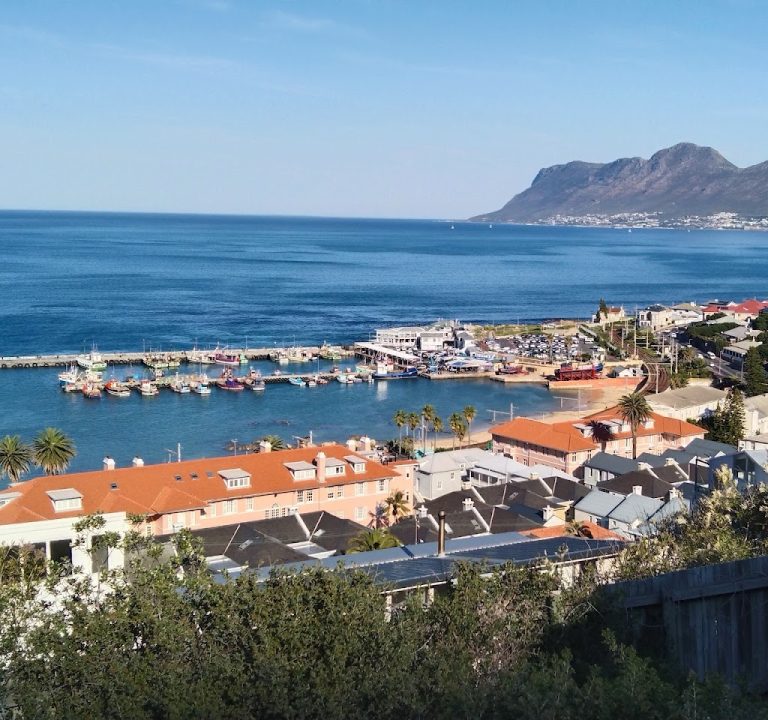
One notable option within the self‑catering sector is Berg ’n Zee in Muizenberg, a stylish base for visitors who want a seaside ambience combined with home comforts. The property’s self‑catering setup offers independence for day‑to‑day living while staying close to Muizenberg Beach, popular for its surf and long sandy stretches. For more information, visitors can visit the property’s official site at http://www.bergnzee.com/.
Beyond beds and breakfasts, Cape Town rewards travellers with diverse experiences. Easy coastal strolls along the Atlantic seaboard, scenic drives to the Cape Peninsula, and wine‑tuelled days in Constantia or nearby Stellenbosch and Paarl offer a well‑rounded stay. While details and prices naturally vary by season and property, a thoughtful plan that blends comfortable accommodation with time for landscape, culture and cuisine ensures a rich and relaxed Cape Town experience.