Durban: Accommodation, attractions and practical planning for a memorable KwaZulu-Natal stay
Durban, on the east coast of KwaZulu-Natal, offers a distinctive blend of subtropical beaches, buzzing markets, and family-friendly attractions. When planning a stay, consider choosing a neighbourhood that fits your rhythm—whether you want easy beach access, a quiet residential feel, or a vibrant dining scene. Durban’s accommodation options range from budget-friendly hostels to mid-range guesthouses and stylish lodges, with many properties positioned to help visitors explore both the city and the nearby Indian Ocean coastline.
For a first-time visit, popular areas include the bustling Golden Mile and central beachfront, ideal for long morning walks, surf beaches, and convenient access to restaurants and day trips. The Berea offers leafy streets, Victorian and Edwardian architecture, and a calmer pace while remaining close to the city’s core. Umlazi and the townships nearby provide insight into local culture and community-led experiences, though travellers should plan logistics and safety considerations in advance. Umhlanga and the northern coast present luxury beach stays, modern entertainment, and easy access to the airport corridor. When budgeting, remember that Durban’s market-style guesthouses and family-run lodges often include breakfast or offer shared kitchen facilities, which can be practical for longer stays or groups.
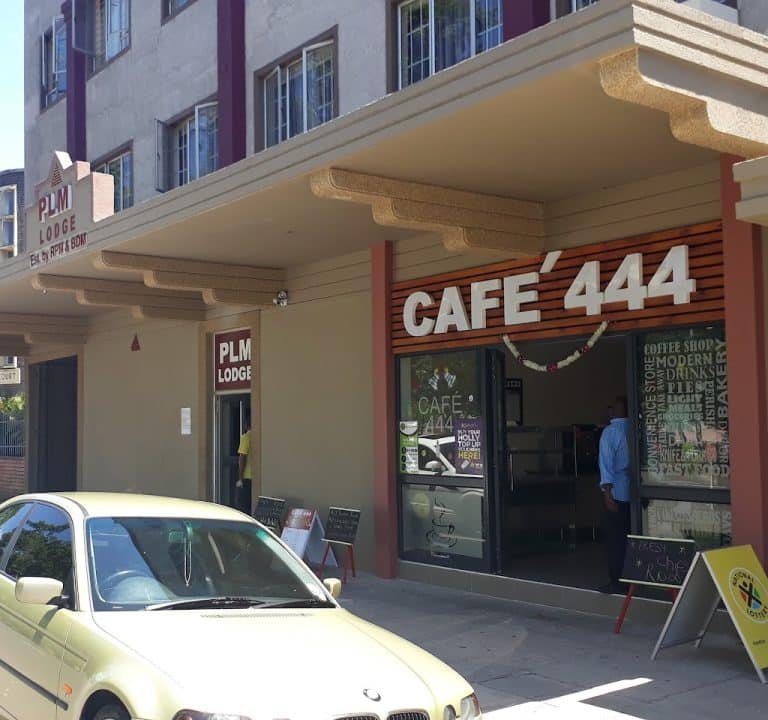
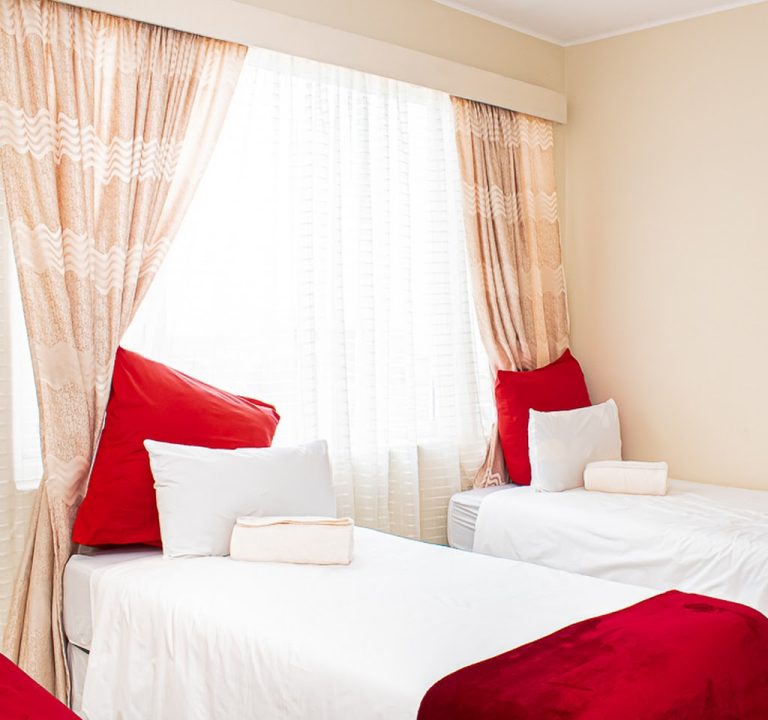
When selecting accommodation, look for essentials that align with your plans. A reliable air conditioning or ceiling fans are important in Durban’s warm, humid summers; en-suite bathrooms are convenient for breezy mornings; and a good lockable storage space is reassuring for those carrying valuables. If you plan to drive, confirm on-site parking or easy street parking guidance. If you’ll rely on public transport or rideshares, check proximity to main routes, taxi ranks, or bus stops. A guesthouse with a small coffee bar or kitchen area can be convenient for early starts and light meals after a day out. Always check cancellation policies, especially if your plans might change with weather or flights.
Typical amenities you may encounter include free Wi-Fi, secure parking, complimentary breakfast, and shaded outdoor spaces for relaxing after a day of sightseeing. Shared lounges or communal kitchens can be attractive for solo travellers or groups seeking social spaces. Some properties offer guided tours or locally curated experiences, from coastal walks to cultural markets, which can add real value to your stay. For visitors who value sustainability, seek hosts who prioritise recycling, water conservation, and energy efficiency, as these practices are increasingly common across Durban’s guest-focused properties.
Durban’s climate lends itself to outdoor adventures most of the year. The best time to visit is often considered to be during the drier shoulder seasons when temperatures remain mild and humidity is lower. The city’s beaches are a major draw, but there are abundant inland itineraries as well, such as wildlife reserves a short drive away, the Valley of a Thousand Hills, and the inland sun-drenched plains. If you enjoy markets and street food, factor in weekend visits to local markets and hubs where you can sample regional flavours and crafts without committing to full-scale dining rooms. Pack sun protection, comfortable walking shoes, and a light rain jacket for summer showers or tropical downpours in the southern warm season.
Getting around Durban is straightforward, though planning ahead helps. If you’re staying near the beachfront, you’ll often be within easy walking distance to the promenade and cafés. For longer trips, rideshare services, taxis, or hire cars are common choices. The airport corridor areas offer straightforward transfers to several neighbourhoods, though during peak travel times planning ahead is wise. If you enjoy combining a beach break with a bit of culture, consider day trips to nearby natural reserves or cultural hubs, which many guests find enrich the stay beyond the city’s well-known coastline.
- Areas to consider: central beachfront and Golden Mile for accessibility; the Berea for charm and quiet streets; Umhlanga for a modern beach retreat; and inland routes near the Valley of a Thousand Hills for scenic excursions.
- What to look for when booking: reliable air conditioning or fans, secure parking, clear access to transport, self-catering options if desired, and clear cancellation terms.
- Transport tips: check proximity to major routes or taxi hubs, verify parking arrangements, and consider a stay with easy access to rideshare services.
- Practical planning: book with flexible dates if possible, factor in extra time for weather shifts, and explore local experiences offered by hosts or nearby tour operators.
Durban also offers a broad spectrum of dining options, from casual coastal eateries to more refined venues, where you can sample seafood fresh from the harbour or dishes influenced by the city’s multicultural heritage. When planning meals, you can expect options ranging from breezy cafés along the promenade to vibrant markets and food stalls that celebrate flavours from across the Indian Ocean rim. For a more immersive stay, look for accommodation providers that can recommend or organise a guided food stroll, a cultural market visit, or a small-group coastal walk, aligning with your interests and energy levels.
For further inspiration and practical planning resources, see official Durban tourism pages and reputable travel guides. A stay in Durban blends sun-drenched beaches with rich local life, giving you a versatile base to explore KwaZulu-Natal’s coastline, landscapes, and warm hospitality. Whether you’re drawn by a budget-friendly hostel such as Renshaw Private Accommodation, a mid-range guesthouse, or a stylish lodge, you’ll find a warm welcome and a pattern of days that invites you to linger a little longer.