Durban, KwaZulu-Natal: Where to Stay and How to Make the Most of Your Visit
Durban offers a welcoming mix of seaside breezes, subtropical greenery, and vibrant urban life. When planning a stay, it helps to think in terms of place, pace, and practicalities. Whether you prefer a tucked‑away lodge, a stylish boutique guesthouse, or a hotel with panoramic sea views, Durban neighbourhoods each have their own character and convenient access to the city’s attractions and transport links.
Areas to consider for accommodation include the beachfront precincts along the Golden Mile, where many hotels and guesthouses provide easy access to the promenade, beaches, and family‑friendly activities. The Berea, a hillside neighbourhood just inland from the surf, tends to offer a quieter ambience with leafy streets and a range of mid‑range to upscale lodgings. Umhlanga, to the north of the city, is popular with visitors seeking resort‑style stays, modern amenities, and a short drive to the airport. If you’re after a more central, urban stay, the Durban CBD and nearby Ridge area can provide convenient access to business facilities, markets, and a mix of eateries. For a rustic or nature‑forward experience, consider lodges and guesthouses a little further afield in surrounding coastal or inland districts.
When booking, look for a few practical features that help with comfort and planning. A reliable Wi‑Fi connection is essential for maps, reservations, and finding nearby restaurants. Adequate parking or easy taxi/hire‑car access is worth confirming if you’ll be moving around by car. If you’re travelling with family or a group, check whether the property offers flexible living spaces, safe outdoor areas, and child‑friendly amenities. For guests who are light sleepers or who crave a quiet morning, ask about any potential street noise, especially in busier beachfront zones. And if your trip centres on specific activities—surfing, wildlife encounters, or city tours—look for properties with convenient access to the relevant transport options or guided experiences.
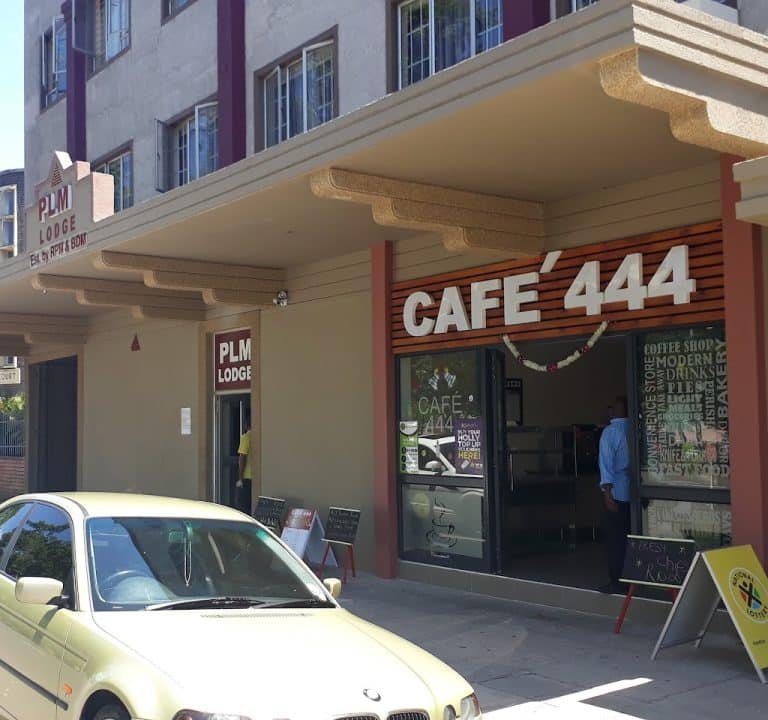
Durban’s accommodation scene runs from intimate guesthouses to larger lodges. A lodge such as PLM Lodge (as an example of the lodge category) can illustrate the range you might encounter: compact, thoughtfully designed rooms, communal spaces for socialising, and hosts who can point you to local highlights. The key is to match the lodge’s atmosphere with your plans—some are suited to long stays with home‑style hospitality, others are gateways to day trips along the coast or inland trails.
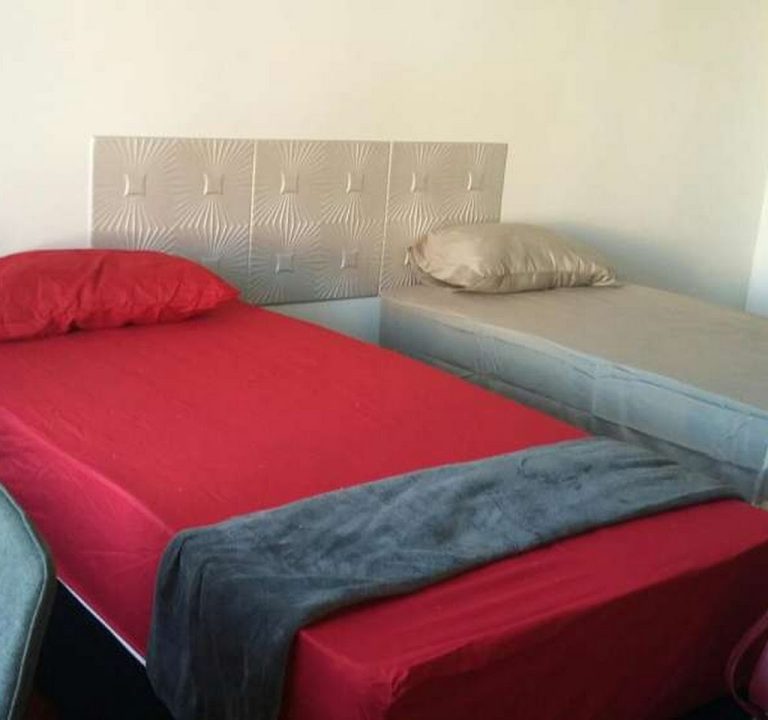
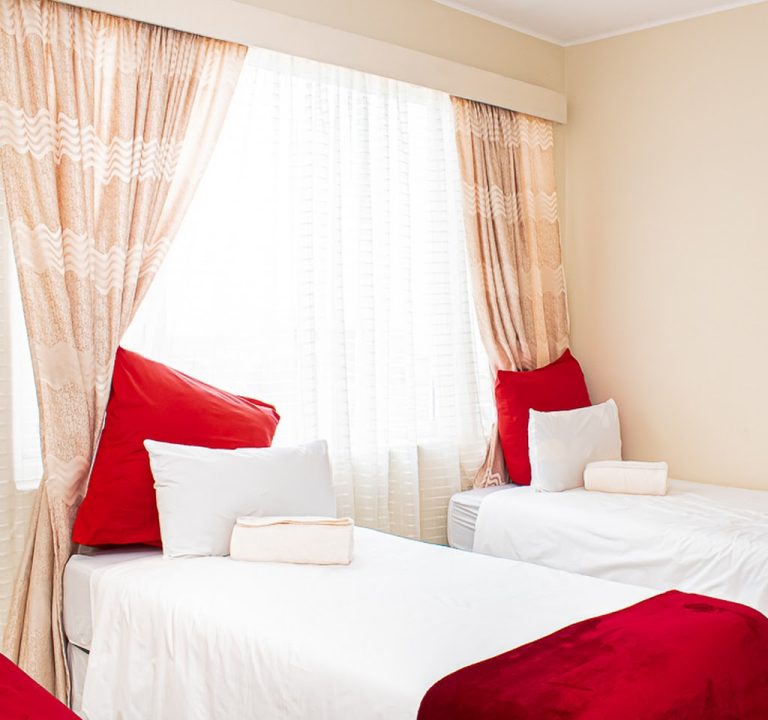
Typical amenities to expect include comfortable beds with quality linens, private or en suite bathrooms, climate control or good ventilation, and a well‑equipped kitchen or continental breakfast options. A positive sign is a property with a shaded outdoor area or balcony where you can soak up the sun after a day out. Laundry facilities, secure storage for luggage, and clear information about local transport can save time and stress. In coastal Durban, a few properties may offer beach gear or bicycles, which can be a pleasant way to explore the waterfront and nearby parks.
Getting around Durban is straightforward, but planning ahead helps. If you’re staying near the beachfront or central districts, you’ll find a mix of public transport, ride‑hailing options, and car hire. The city’s taxis and rideshare services connect you with popular beaches, markets, and restaurants. If you plan to explore beyond the immediate shoreline—such as inland valleys, local reserves, or day trips to the nearby scenic towns—having access to a car is convenient. For those who prefer public transport, look into rail and bus routes that link the coast with other KwaZulu‑Natal destinations.
The best time to visit Durban depends on the feel you want. The city enjoys warm, humid summers with afternoon showers or thunderstorms, and mild winters with pleasant daytime temperatures. For outdoor pursuits, dry periods between late autumn and early spring typically offer reliable sunshine and comfortable conditions for beach days and outdoor dining. If you’re seeking cultural events, food markets, or seasonal festivals, check the event calendars ahead of your stay to align your itinerary with local happenings.
Plan ahead for a balanced itinerary that combines relaxation with memorable experiences. Start with a seaside morning stroll along the promenade, followed by a leisurely lunch at a beachside or harbourside eatery. In the afternoons, you could explore markets, historic sites, or botanical spaces, and cap the day with a sunset view from a rooftop bar or harbour lookout. For day trips, consider the coastal towns to one side for seaside scenery or inland routes for nature reserves and terrain to hike or cycle. Your choice of accommodation can anchor these plans and provide a comfortable retreat after full days of exploring.
Practical tips to finish your planning: verify cancellation policies and flexibility, especially if your plans might shift with weather or events. Confirm accessibility features if required, and note check‑in times to coordinate arrival after travel. Keep a small travel card or note of local emergency numbers, even where you have a mobile device. And remember to respect local customs and the environment—durable, reusable water bottles and sensible sun protection will keep you comfortable as you discover Durban’s hospitality, cuisine, and scenery.
For more information about Durban’s official tourism offerings, you can explore the city’s visitor resources and accommodation listings at trusted local sites. Start with the area that most closely matches your preferred pace, and you’ll find a Stay‑Plan that fits your travel style while enjoying all the attractions and dining experiences the KwaZulu‑Natal coast has to offer.