Accommodation and Visitor Guide: Addo, Eastern Cape
Located in the heart of the Eastern Cape, Addo is a gateway to wildlife experiences, stunning landscapes and a relaxed rural atmosphere. Whether you are seeking a boutique hotel, a lodge with easy access to the famous Addo Elephant National Park, or a country-style guesthouse set in the reed valleys, there are options to suit most travellers. The area offers a mix of large reserves and smaller stays, with many properties emphasising comfortable rooms, friendly service and a sense of place that reflects the surrounding scenery.
When planning a stay, think about your priorities. Do you want daily wildlife drives included, or would you prefer self-guided game viewing from a comfortable veranda? Is proximity to the park entrance important, or would you rather stay in a quieter village setting with a farm-to-table dining focus? Several accommodation options in and around Addo place guests close to the park’s gates, while others sit in wine- or citrus-fringed valleys a short drive away. Reed Valley Inn, for example, represents a classic option for travellers seeking a well-appointed base with easy access to the park and surrounding attractions. While facilities vary, many properties here offer pools, expansive gardens, and on-site dining, making it convenient to unwind after a day of exploration.
Areas to consider for your stay include the immediate Addo village and the surrounding rural routes, the Sundays River Valley corridor, and the more coastal or inland routes that lead towards the towns and farms along the N2. If wildlife is your primary aim, look for lodges or boutique hotels with proximity to the Addo Elephant National Park gate. For a quieter break or a romantic getaway, a countryside guesthouse or small lodge in the valley can provide a private setting with farm views and intimate dining experiences. In addition, some properties offer guided nature walks, birdwatching expeditions, or cultural visits to nearby farms and local workshops, helping you connect with the region beyond the park’s wildlife spectacles.
What to look for when booking? Start with the basics: a clean, well-maintained room, secure parking, and reliable Wi-Fi if you need to stay connected. If you plan to self-drive, check the availability of easy parking and whether the property offers shuttle services or guided drives to the park. For wildlife-centric stays, inquire about included game drives or partnerships with local guides. Meals are another key consideration; many lodges and guesthouses emphasise seasonal, home-style cooking with fresh produce from nearby farms. If you have dietary requirements, confirm advance notice and menu options. Family-friendly properties often provide interconnecting rooms, flexible meal times and safe outdoor spaces, while adults-only retreats may offer a more tranquil atmosphere and specialist dining experiences.
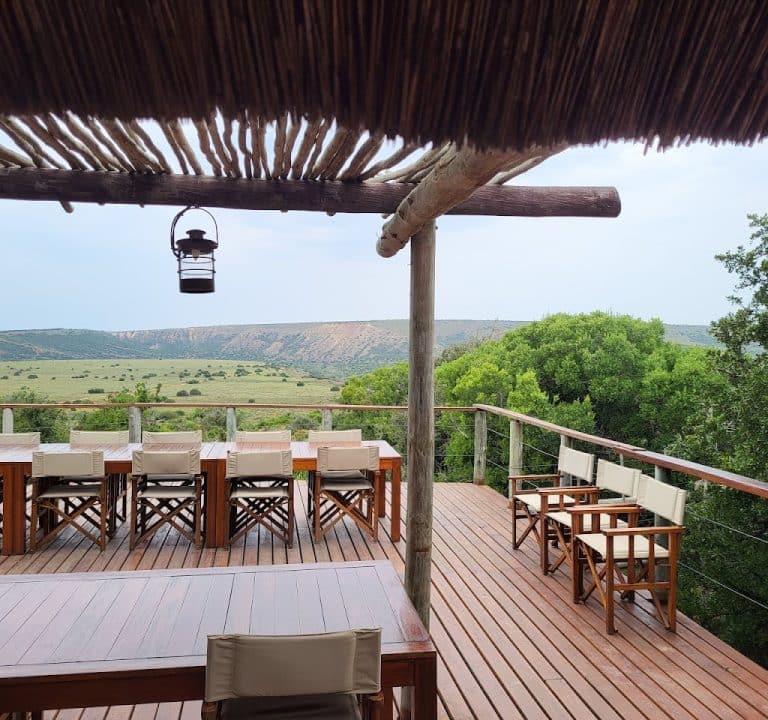
Typical amenities you might encounter include air conditioning or effective cooling for summer months, en-suite bathrooms, private balconies or patios, and outdoor pools or sun terraces. Some properties feature verandas with panoramic views over valleys or citrus groves, perfect for early morning birdwatching or evening drinks. If you are visiting in winter or shoulder seasons, radiators or heat pumps, extra blankets, and cosy common areas with fireplaces can make a big difference. Many stays also provide secure storage for outdoor gear, given the region’s opportunities for hiking, cycling and water-based activities at nearby venues.
Transport and getting around is relatively straightforward. The nearest major airport is a short drive from Port Elizabeth (Gqeberha), with a transfer or car hire a common arrival option for visitors. From the airport or Port Elizabeth, a scenic inland drive along the N2 or local roads will bring you to Addo and the surrounding countryside. If you prefer not to self-drive, check if your accommodation can arrange guided day trips or private transfers to key sites. Within the area, the most practical form of exploration is by car, allowing you to follow the valley routes, stop at viewpoints, and reach the park gates at convenient times.
The best time to visit Addo depends on what you want to experience. Wildlife viewing is often excellent in the drier winter months (May to September), when animals congregate around water sources. The shoulder seasons offer mild weather, fewer crowds, and lush landscapes after the rains. For coastal day trips or whale watching in nearby waters, spring and autumn can be rewarding, with comfortable temperatures and calmer seas. If you are visiting with family, school holiday periods tend to bring more activity and on-site programming at some lodges and guesthouses, so plan ahead for availability and dining options.
Practical tips to help you plan a smooth stay:
- Book accommodations that clearly list the park’s proximity and include or offer easy transfer arrangements to the Addo Elephant National Park gates.
- Ask about guided drives or partnerships with local guides to maximise wildlife sightings and safety.
- Confirm what meals are included, and whether the kitchen can accommodate dietary needs.
- Check for malaria-free status of the area, and pack accordingly (mosquito repellent, light long sleeves for evenings).
- Consider travel times between lodging, park gates, and coastal day trips to avoid rushing, especially during peak seasons.
Beyond the wildlife draws, Addo offers a pleasant mix of landscapes and local experiences. Visitors can enjoy tranquil valley views, sampling regional produce at farms and markets, and exploring quiet streets lined with traditional South African hospitality. Dining in the area tends to highlight fresh ingredients and seasonal menus, with many eateries focused on casual, family-friendly settings and relaxed two-course lunches or dinners. Whether you choose a full-service lodge with on-site dining or a cosy guesthouse with a countryside restaurant, Addo provides a warm base from which to discover the Eastern Cape’s wildlife, scenery and welcoming communities.